Best Camera for Photography: What to Look for When Buying Your First Camera
Choosing the best camera for photography can feel overwhelming. Especially when you’re just starting out. With so many brands, models, and opinions out there, it’s easy to think there’s one “right” camera you’re supposed to buy.
The truth is simpler: the best camera for learning photography is one that helps you understand how photography works. When you’re buying your first manual camera, the most important decision isn’t the brand. It’s the features that support learning, growth, and confidence.
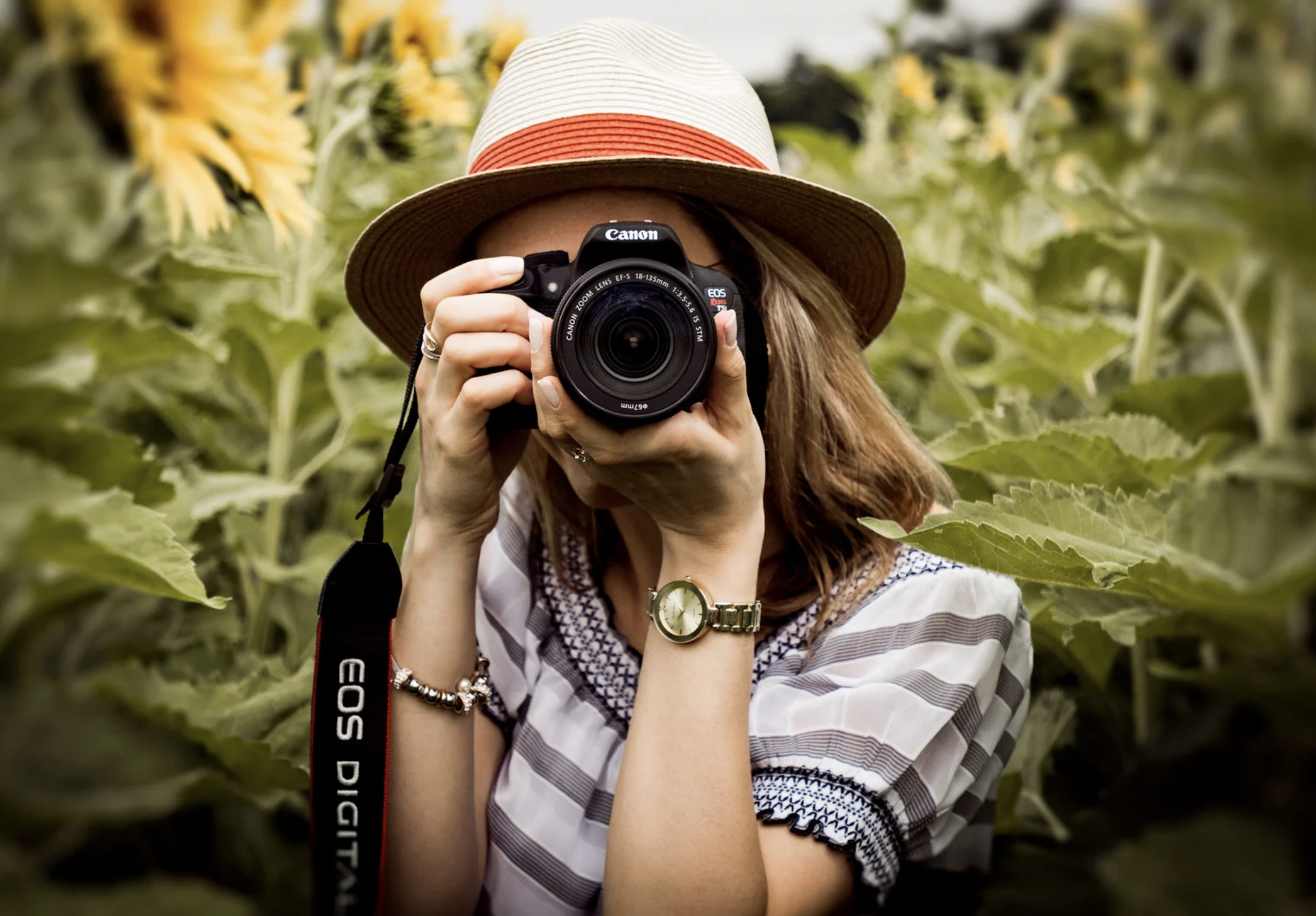
What Makes a Camera Good for Learning Photography?
A beginner-friendly camera should do more than take nice photos. It should help you understand exposure, focus, and light in a way that feels approachable rather than intimidating.
When choosing your first camera, look for tools that encourage hands-on learning and manual control.
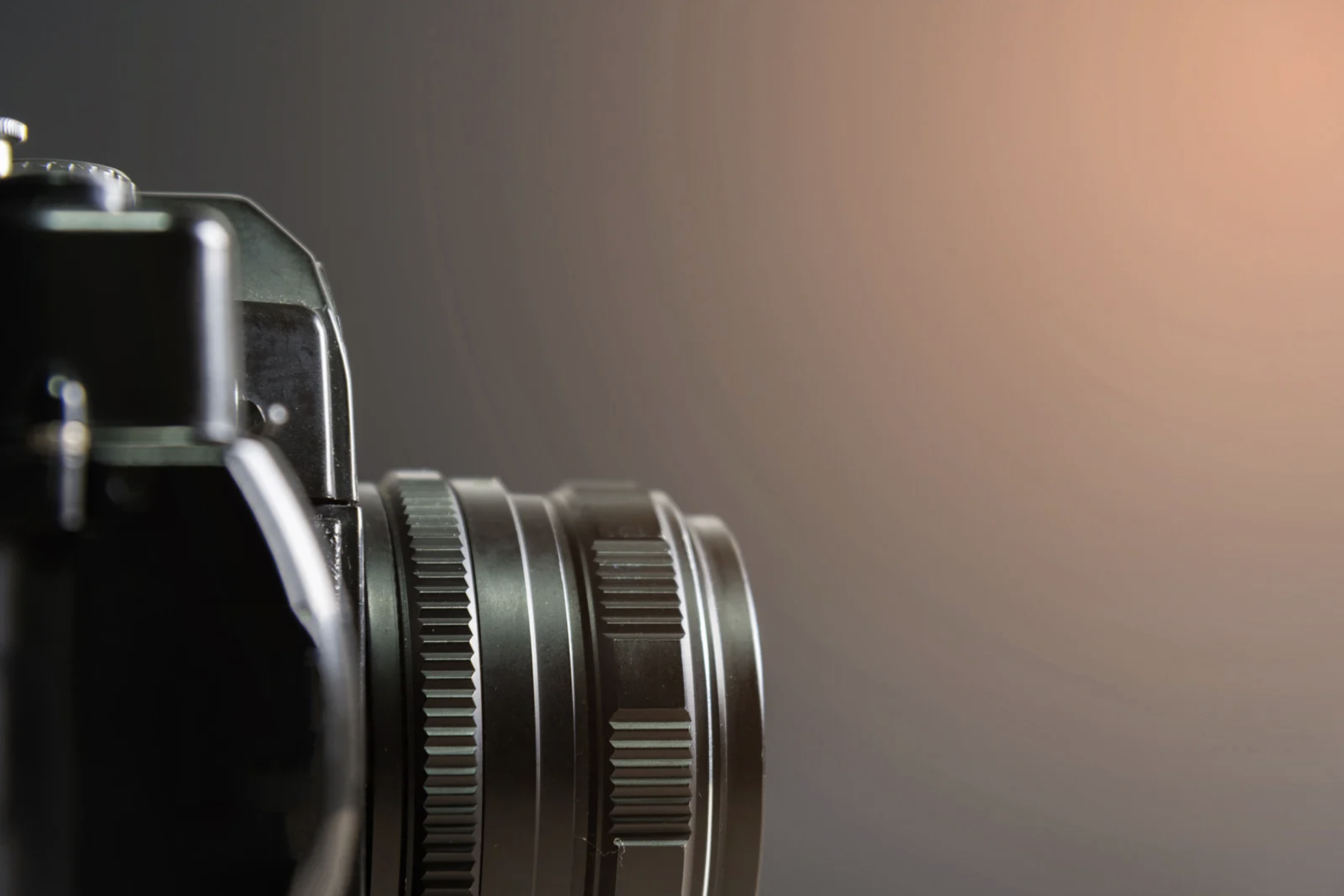
Manual Shooting Modes Are Essential
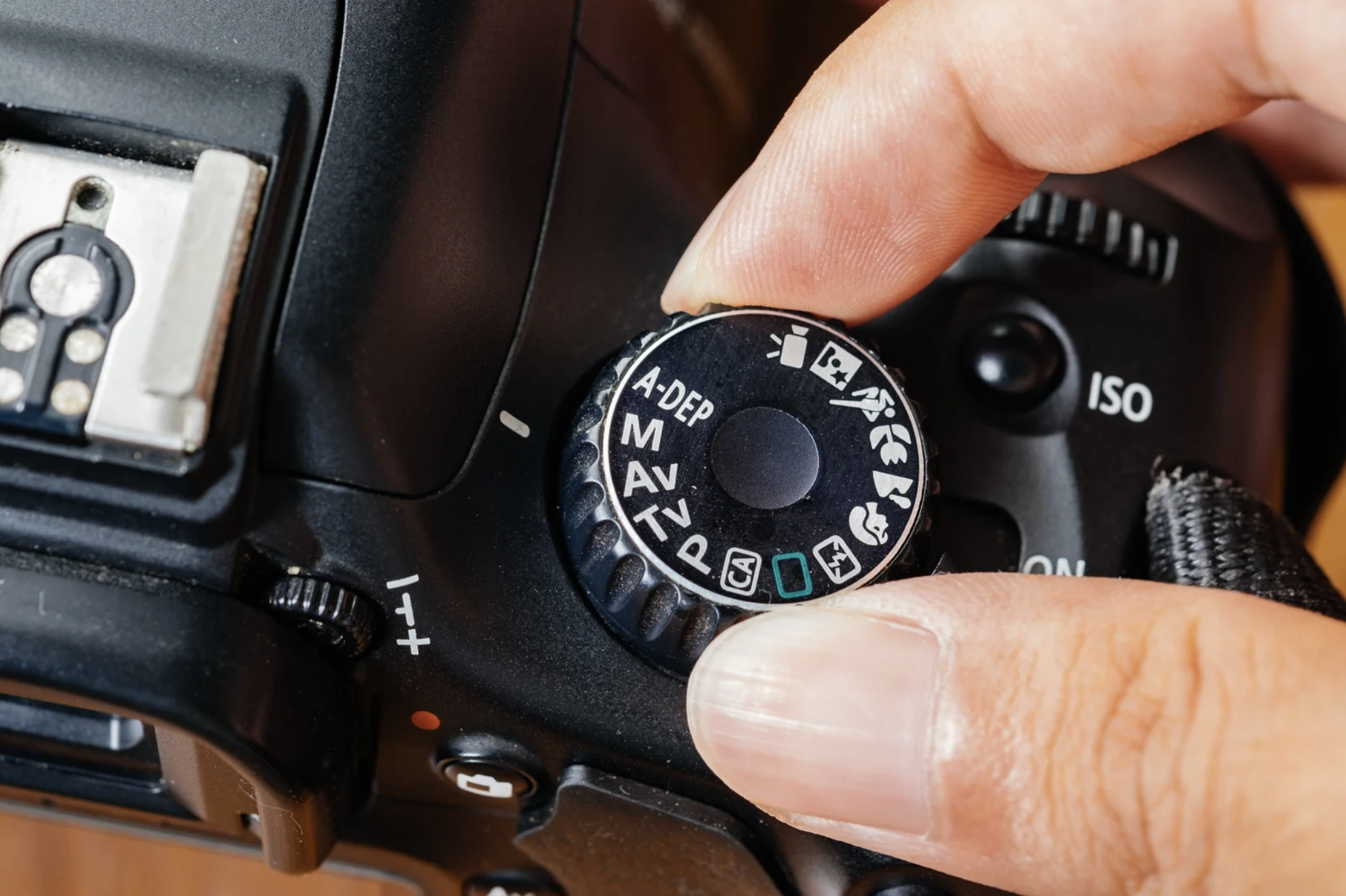
One of the most important features to look for is full manual control.
Your camera should allow you to:
Adjust aperture, shutter speed, and ISO manually
Switch easily between auto, semi-auto, and manual modes
See exposure changes clearly as you adjust settings
Manual mode is where photographers build confidence and consistency. Even if you don’t shoot fully manual all the time, having access to it is key for learning how your camera actually works.
DSLR vs Mirrorless: A Quick Comparison
When shopping for your first manual camera, you’ll likely see both DSLR and Mirrorless options. Both are capable tools for learning photography, with differences that come down to design and shooting experience.
DSLR cameras use an internal mirror and optical viewfinder. They tend to offer longer battery life and a familiar, traditional feel. DSLRs are often more affordable on the used market but are typically larger and heavier.
Mirrorless cameras use electronic viewfinders or rear screens to show a live preview of the image. They’re generally smaller and lighter, with modern autofocus features and real-time exposure feedback. Battery life is usually shorter, and newer models can cost more.
Both systems support full manual control and interchangeable lenses. The best choice is the one that feels comfortable in your hands and encourages you to practice consistently.
Which Is Better for Learning Photography?
Both DSLR and mirrorless cameras are capable of teaching photography fundamentals. The most important factors are:
Access to manual controls
Comfort and usability
Lens flexibility
Willingness to practice consistently
Photography skills transfer easily between systems. Learning exposure, composition, and light matters far more than the type of camera you choose.
Sensor Size: What You Need to Know
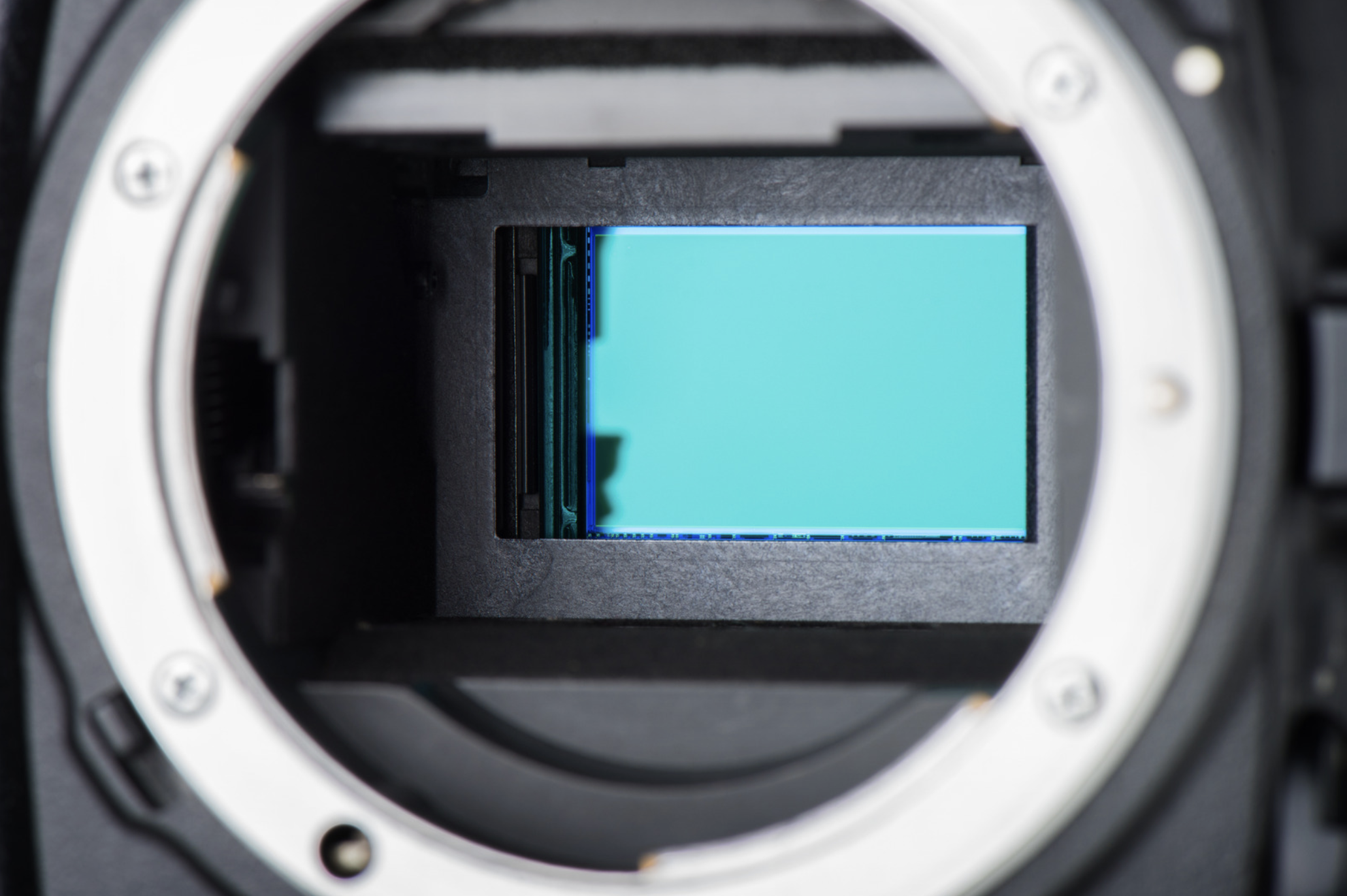
Sensor size affects image quality, depth of field, and low-light performance. The most common options for beginner cameras are:
Crop sensor (APS-C)
Full-frame sensor
Crop sensor cameras are often:
More affordable
Lighter and easier to carry
Excellent for learning and everyday photography
Full-frame cameras offer advantages in low light and dynamic range, but they aren’t necessary for learning photography fundamentals. A smaller sensor does not limit creativity or growth.
Interchangeable Lenses Matter More Than the Camera Body
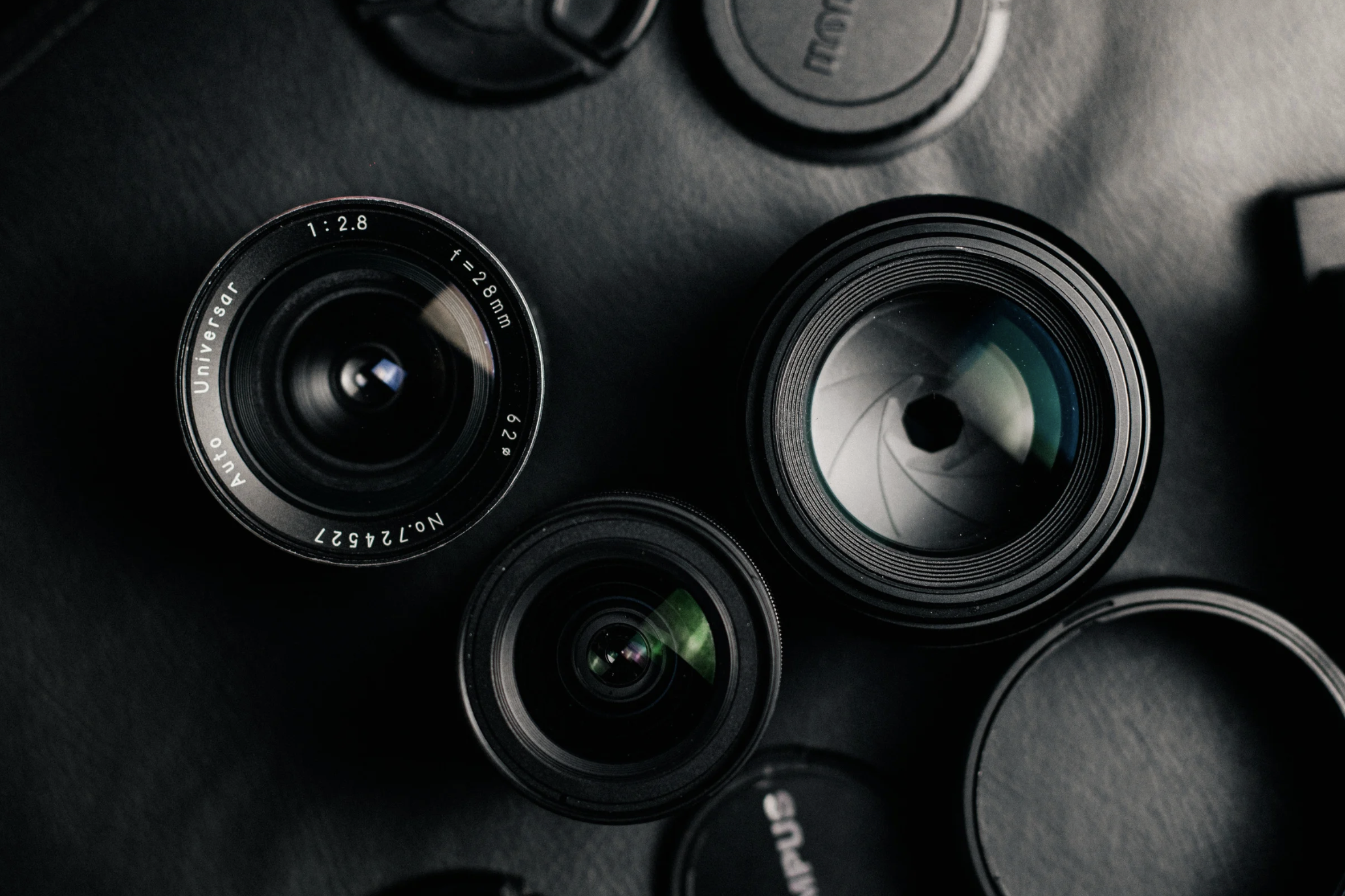
A camera that allows you to change lenses gives you room to grow.
Interchangeable lenses let you:
Experiment with focal length
Control depth of field
Explore different photography styles
Many photographers keep the same camera body for years while upgrading and adding more lenses as their needs evolve. Choosing a system with lens flexibility gives you long-term value.
Ergonomics and Ease of Use
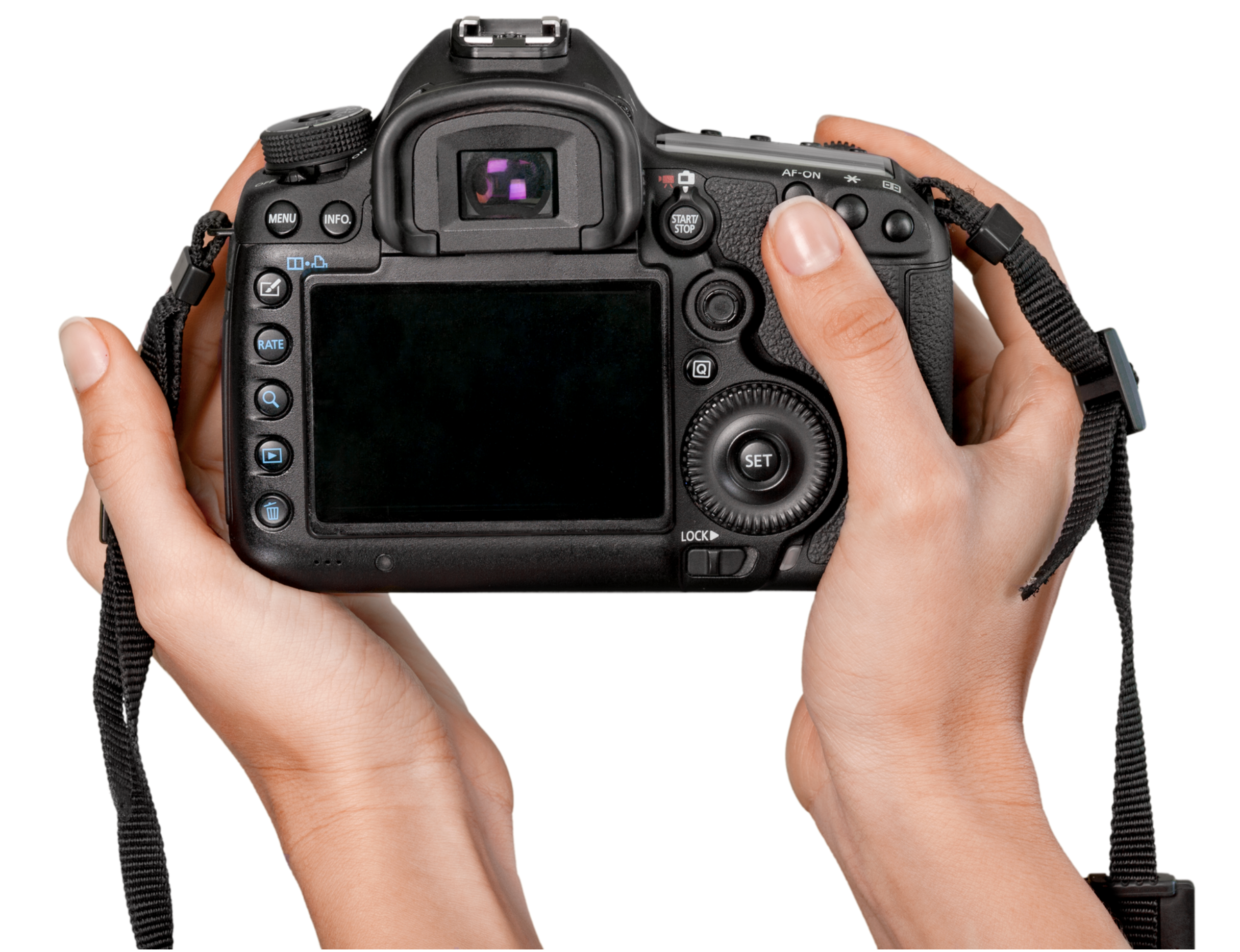
A camera should feel comfortable in your hands and intuitive to use.
Pay attention to:
Button layout and menu clarity
How easy it is to change settings
Whether the camera feels balanced and natural to hold
If a camera feels frustrating or confusing, it can slow your learning process. Comfort and usability matter more than specs on paper.
Autofocus and Shooting Speed
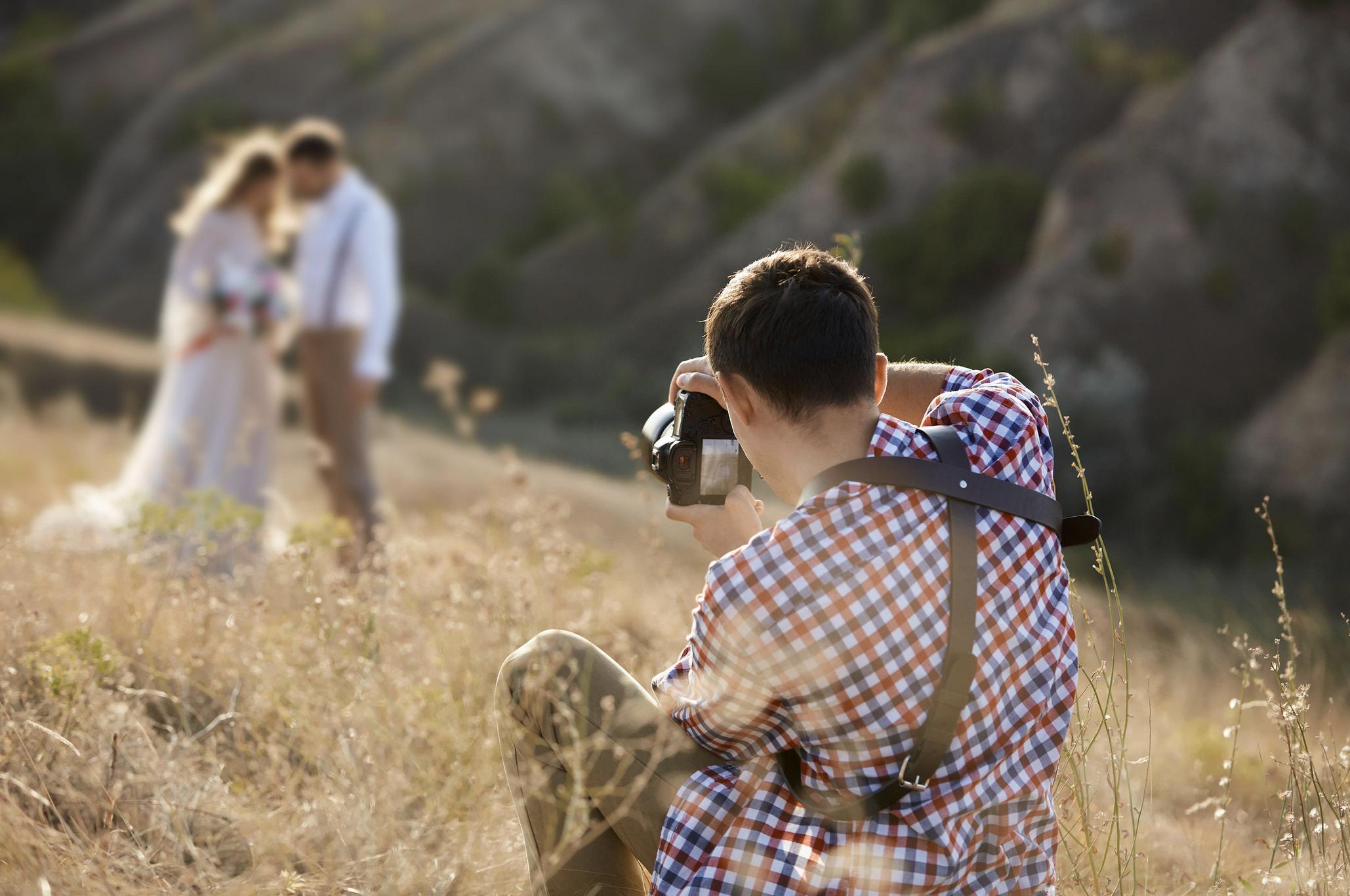
While learning photography isn’t about speed, reliable autofocus helps reduce frustration… especially when photographing people or moving subjects.
Look for:
Accurate single-point autofocus
Face or eye detection (helpful but not required)
Reasonable continuous shooting speed
Good autofocus supports learning by letting you focus on composition and exposure instead of missed shots.
Budget With Learning in Mind
When buying your first camera, it’s smart to leave room in your budget for learning and education… not just your gear.
Consider:
Starting with a reliable entry-level or mid-range camera
Investing in one versatile lens
Saving room for education and practice
Skills will always matter more than the latest camera model.
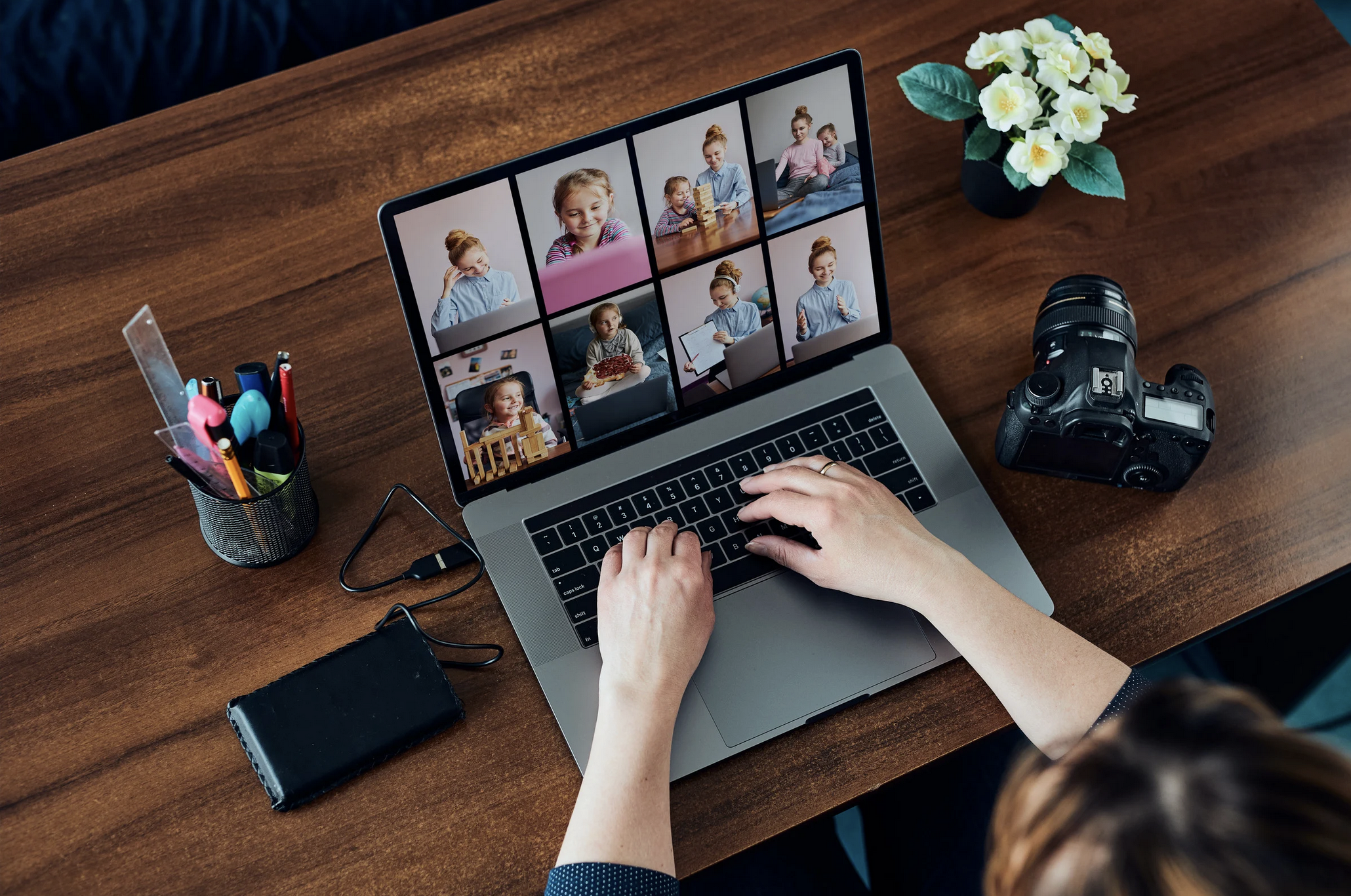
The Best Camera Is the One You’ll Use
The best camera for photography is the one that supports learning and invites you to practice.
A good first camera:
Encourages manual control
Feels comfortable and approachable
Grows with you over time
Helps you understand light, exposure, and composition
Photography skills transfer across all cameras. Once you understand the fundamentals, switching systems becomes much easier.
Ready to Learn Photography With Confidence?
Choosing a camera is just the beginning. Understanding how to use it is where real growth happens.
Our Photography Education Shop features a variety of guides, courses, and workshops designed to support photographers at every level… from learning manual settings to refining composition, light, and editing.