Composition in Photography Explained: How to Create Stronger Images
Composition is one of those photography terms that gets mentioned constantly, but rarely explained clearly. You’re often told to “work on your composition” without being shown what that actually means or how to improve it.
At its core, composition in photography is about how elements are arranged within the frame. It’s how you guide the viewer’s eye, create balance, and communicate what matters most in your image.
Good composition doesn’t happen by accident, and it isn’t limited to rules. It’s a skill you can learn, practice, and refine over time.

Image by Holly Awwad
Why Composition Matters in Photography
You can have perfect exposure, beautiful light, and a sharp image… but without strong composition, a photo can still fall flat.
Composition affects:
Where the viewer looks first
How long they stay with the image
The emotional impact of a photograph
Whether the subject feels intentional or accidental
Composition is what turns a snapshot into a photograph with purpose.

Image by Holly Awwad
What Composition Really Means
Composition is not just what you photograph, it’s how you choose to include or exclude elements in the frame.
This includes:
Subject placement
Framing and cropping
Balance and visual weight
Use of space
Relationship between elements
Every decision you make, from where you stand to what you leave out, shapes the final image.

Common Composition Techniques in Photography
There are many composition techniques photographers use as tools.
Rule of Thirds
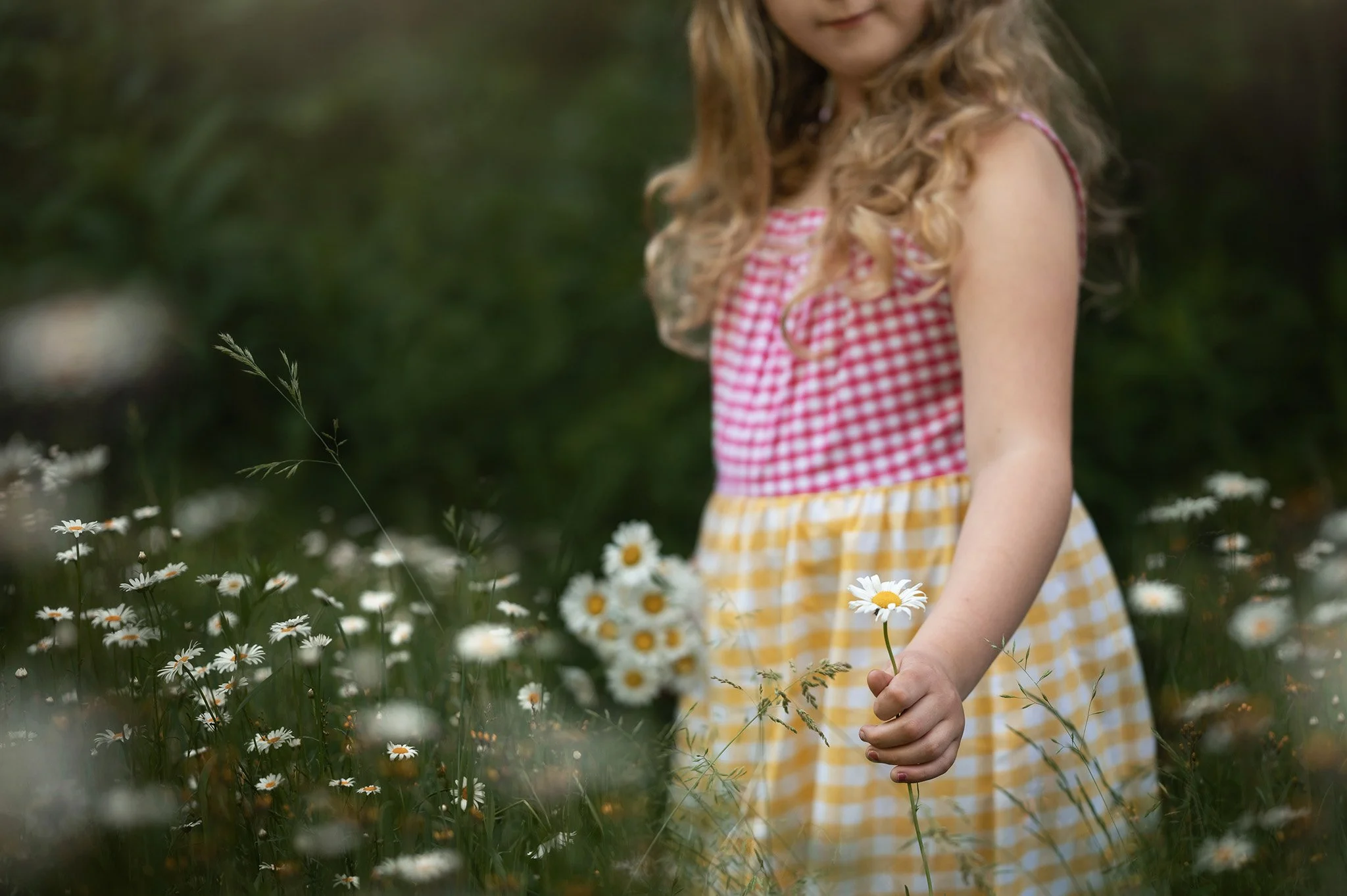
Placing your subject off-center can create a more dynamic and balanced image.
Leading Lines
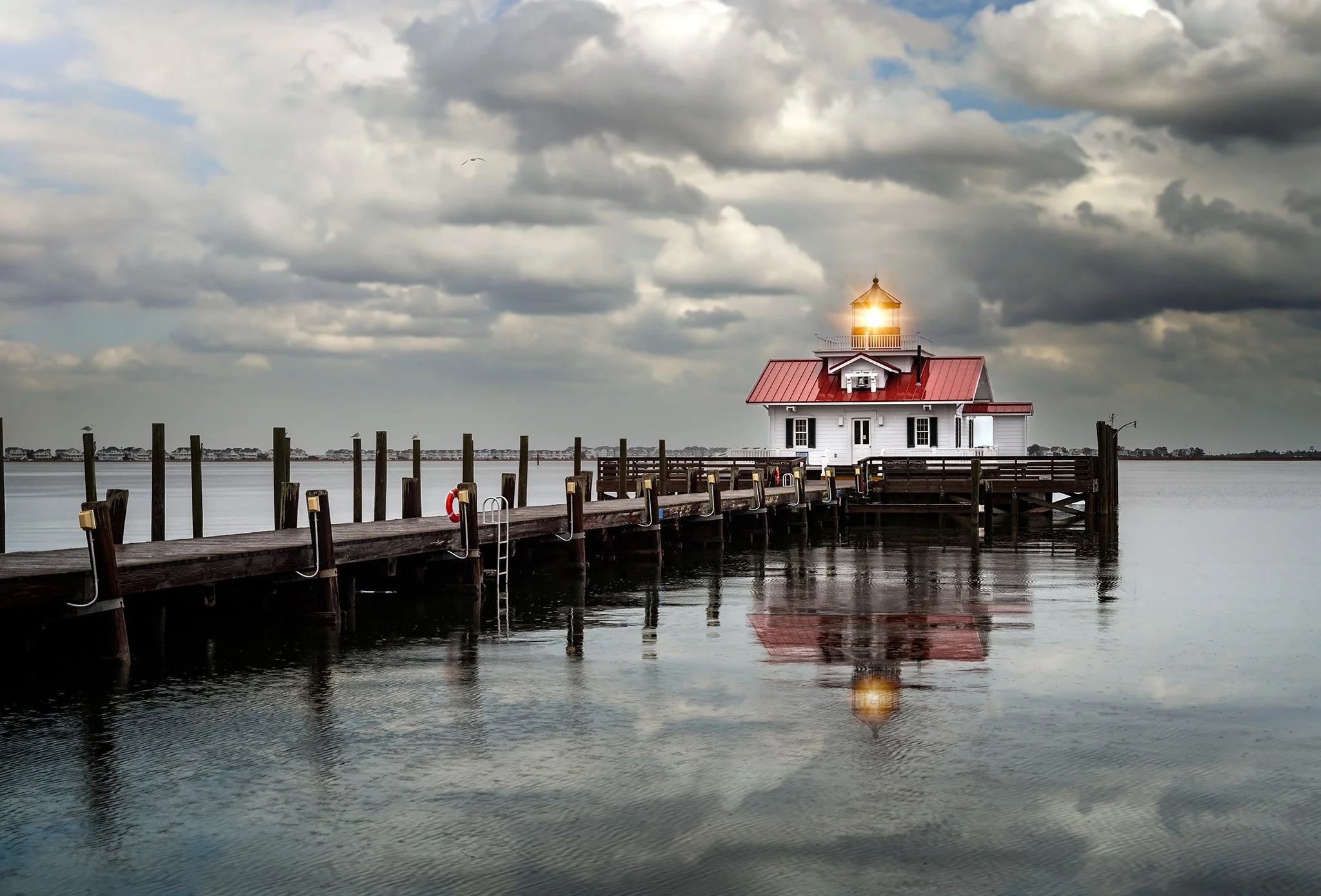
Lines guide the viewer’s eye through the photo and toward the subject.
Framing
Using natural elements (doorways, branches, windows) to frame your subject adds depth and focus.
Negative Space
Empty space around a subject helps it stand out and gives the image room to breathe.
Symmetry and Balance
Balanced compositions feel calm and intentional, while asymmetry can create energy and movement.
Learning these techniques helps you recognize opportunities. But strong composition comes from knowing when to use them and when to break them.



Composition Is About Visual Storytelling
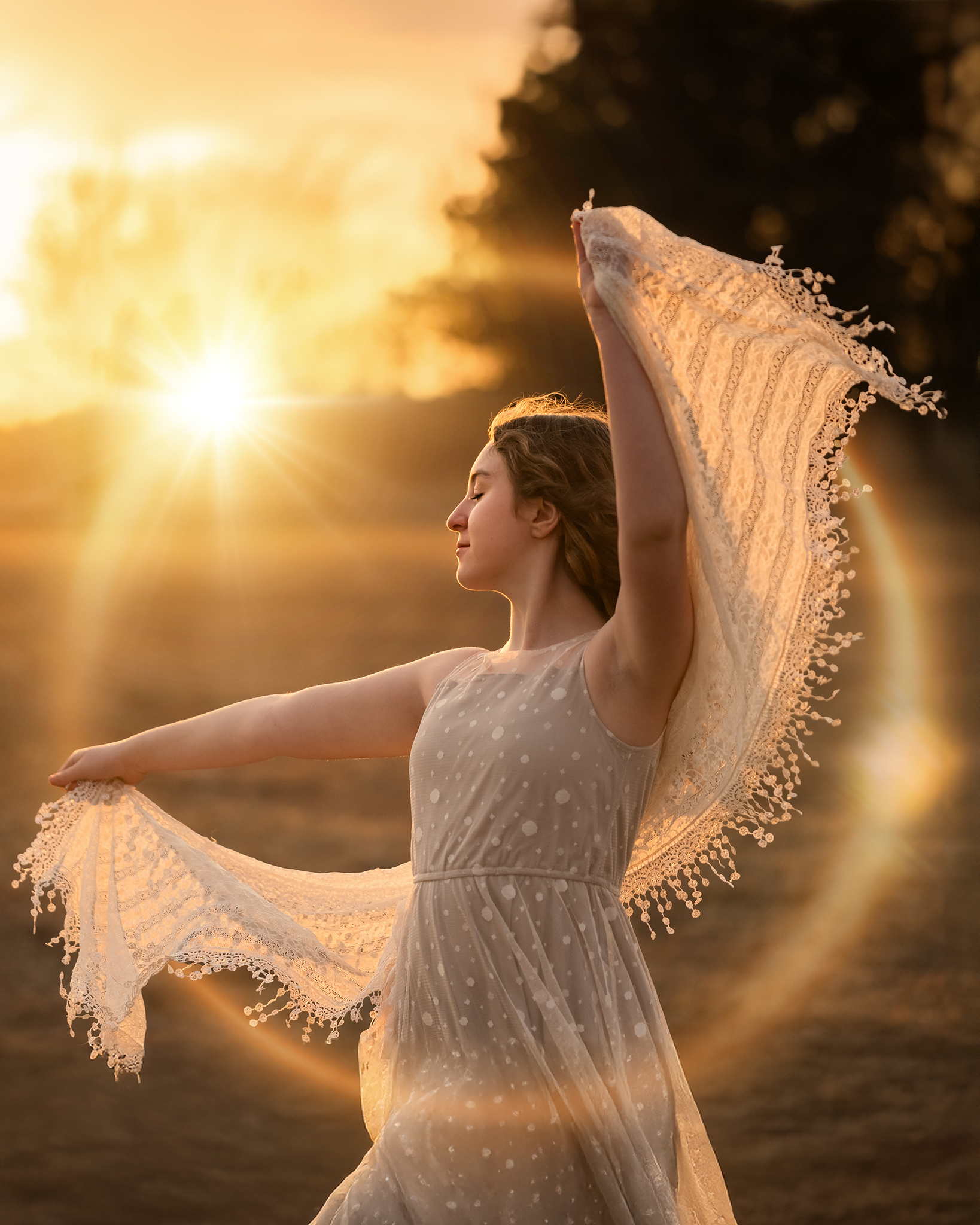
Composition is the visual language of a photograph, shaping how the viewer experiences the image.
Through composition, you can:
Emphasize emotion
Create tension or calm
Show connection or isolation
Lead the viewer through a story
The way elements relate to each other within the frame determines how your photo feels.

Image by Holly Awwad
Why Composition Feels So Hard at First
Many photographers struggle with composition because it’s less technical and more observational.
Unlike camera settings, composition doesn’t come with clear cut right or wrong answers. It requires:
Slowing down
Paying attention to details
Making intentional choices
Practicing awareness, not perfection
This is why photographers often feel stuck. They’re waiting for composition to “click” instead of learning how to see it develop.




From Rules to Intentional Choices
Composition rules are helpful starting points, but they’re not the goal.
As you grow, composition becomes about:
Recognizing visual distractions
Simplifying the frame
Choosing what matters most
Trusting your instincts
This shift from following rules to making intentional choices is where real growth happens.

Image by Holly Awwad
Learning to See Composition Everywhere
Composition applies to every genre of photography:
Portraits
Nature and landscapes
Still life
Macro and close-up work
Everyday moments
Once you train your eye, you’ll start noticing composition before you even lift the camera.

Deepen Your Understanding of Composition
If you’re ready to move beyond basic rules and start creating images that feel intentional and cohesive, Perfecting Photography Composition was created to help you do exactly that.
Inside the course, photographers learn how to:
Understand composition beyond rules
See balance, flow, and visual weight
Create stronger images in any genre
Develop confidence in their creative choices
Build a consistent visual voice
Composition becomes powerful when you learn to see with intention.