Film Photography: Why So Many Photographers Are Falling Back in Love with Film
Film photography is having a moment, and honestly, it's not hard to understand why.
For many of us, film was our first introduction to photography. Long before memory cards, Lightroom catalogs, and unlimited digital storage, there were rolls of film tucked into camera bags, disposable cameras on family vacations, and the anticipation of waiting days or even weeks to see the images we had created.
There was something exciting about not knowing exactly what you had captured. Every roll held a little bit of mystery, and every envelope of developed photos felt like opening a gift.
Today, even in a world where we have incredible digital cameras at our fingertips, more photographers are choosing to shoot film. Some are rediscovering a process they grew up with. Others are picking up a film camera for the very first time, curious about the look, the experience, and the slower pace that film naturally encourages.
But while the nostalgia is certainly part of the appeal, I don't think it's the whole story.
My Own Film Story
My first "professional" camera was a Canon Rebel 2000 that my parents gave me as a college graduation gift.
Back then, shooting film wasn't a creative choice. It was simply photography.
As digital photography became more accessible, I made the same transition most photographers did. It was faster, more convenient, and frankly, made a lot of sense for someone building a photography business.
But film never completely left.
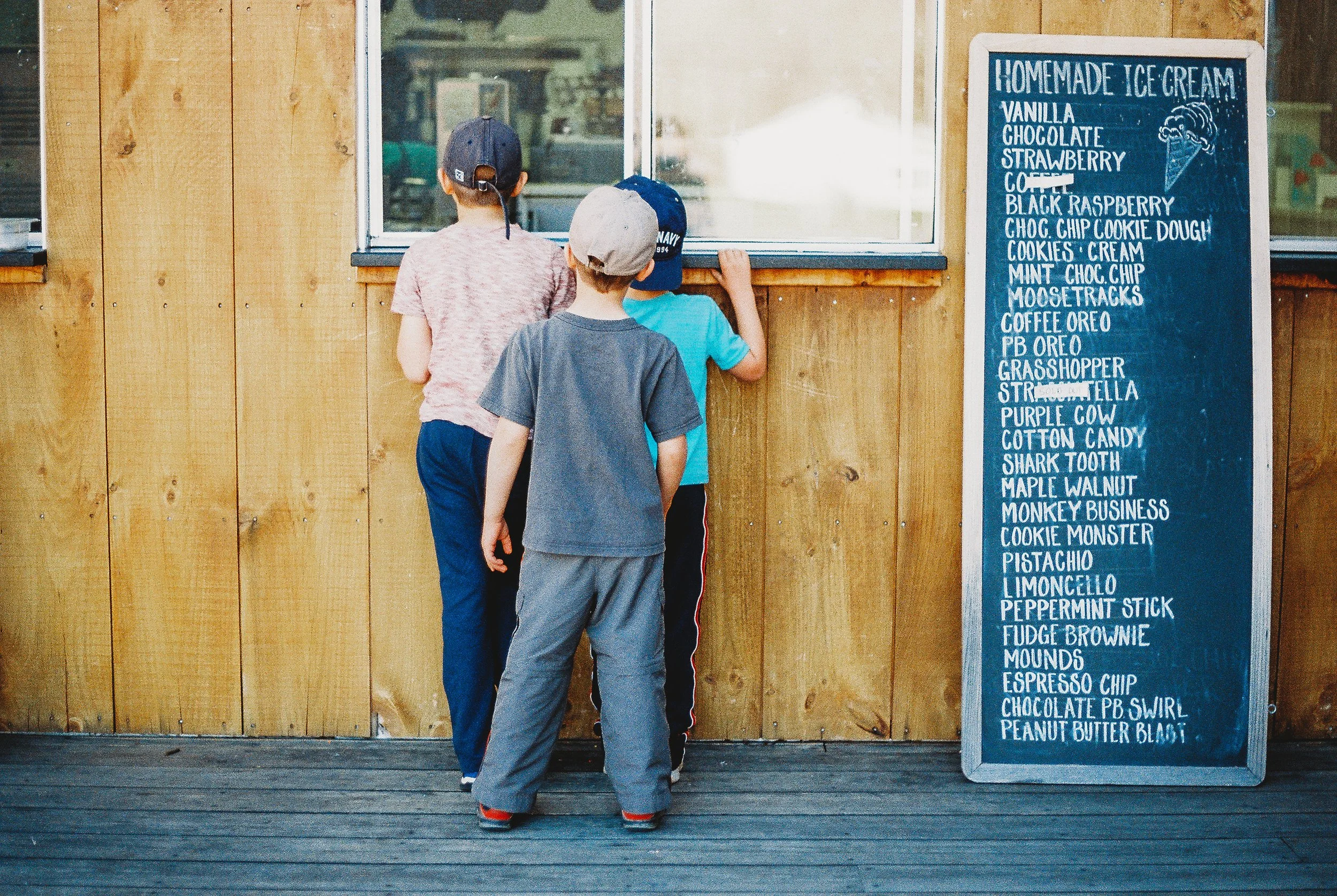
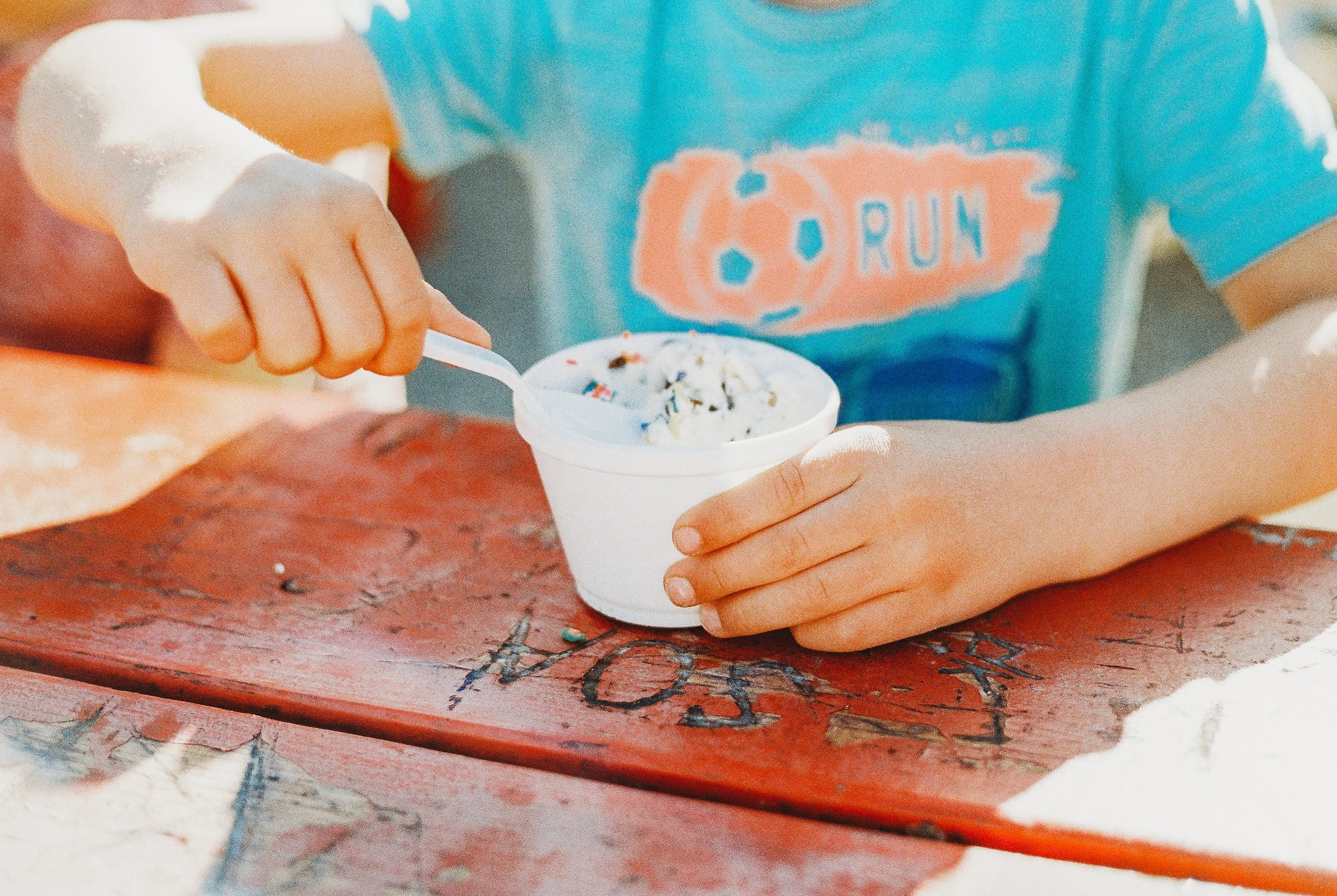
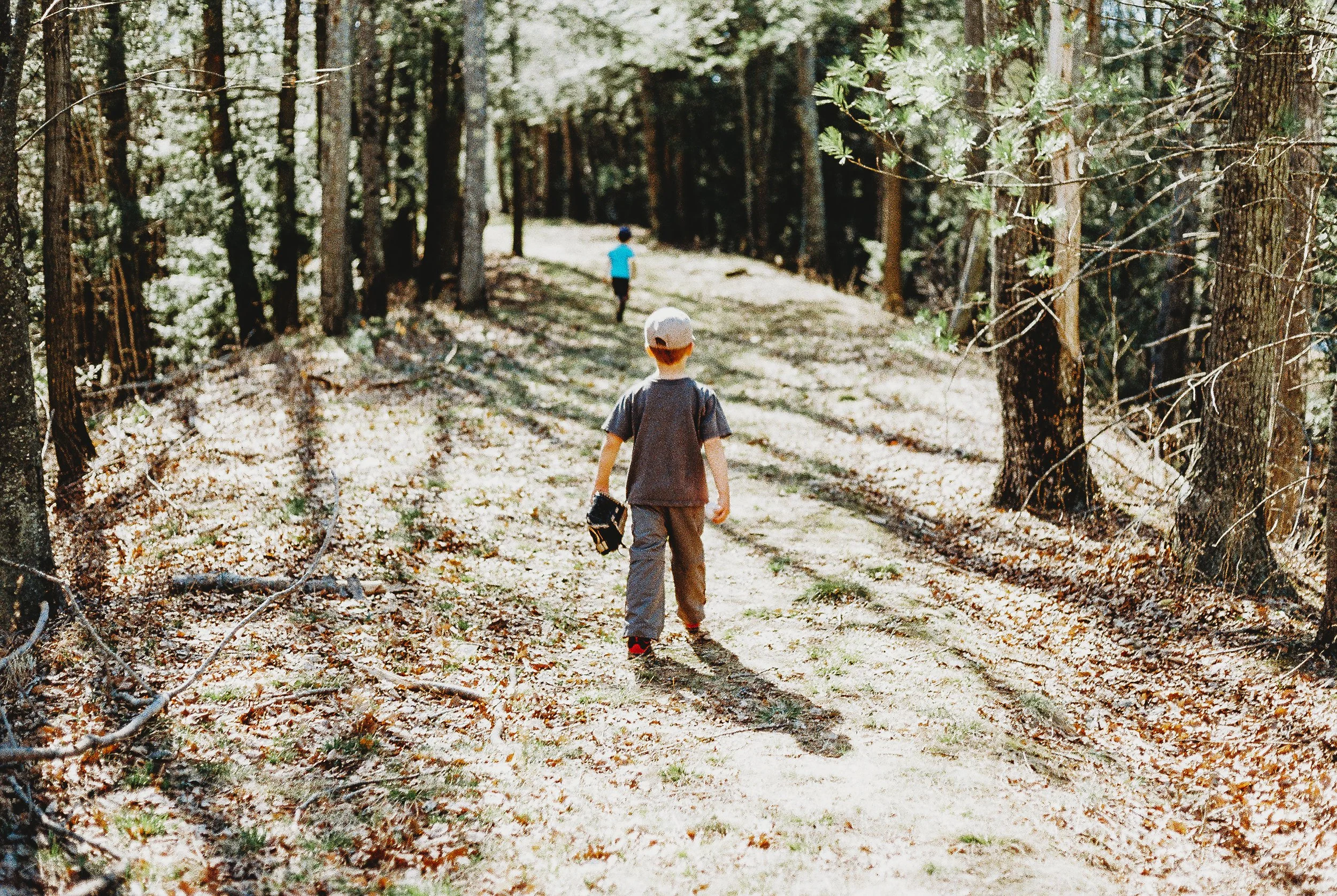
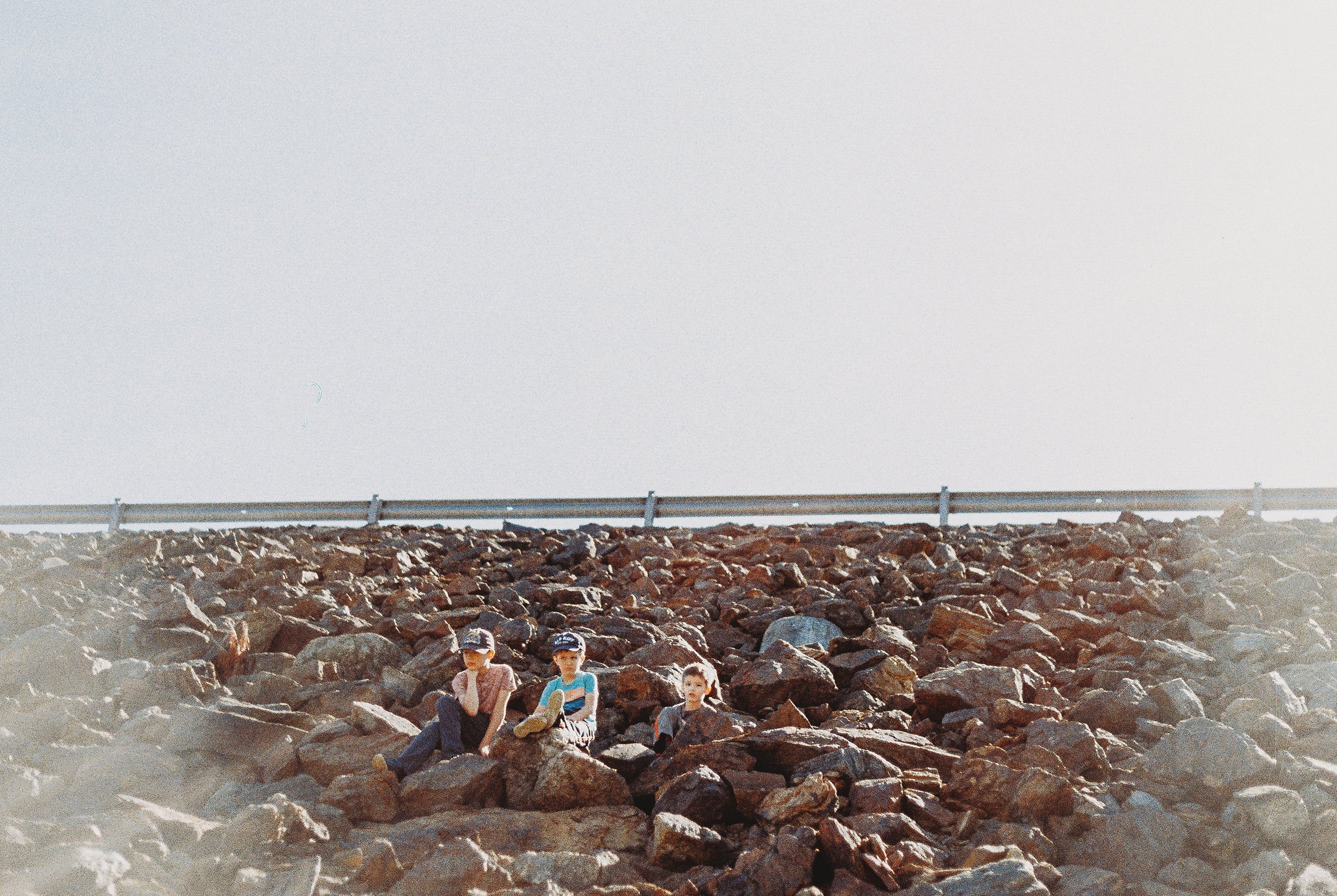
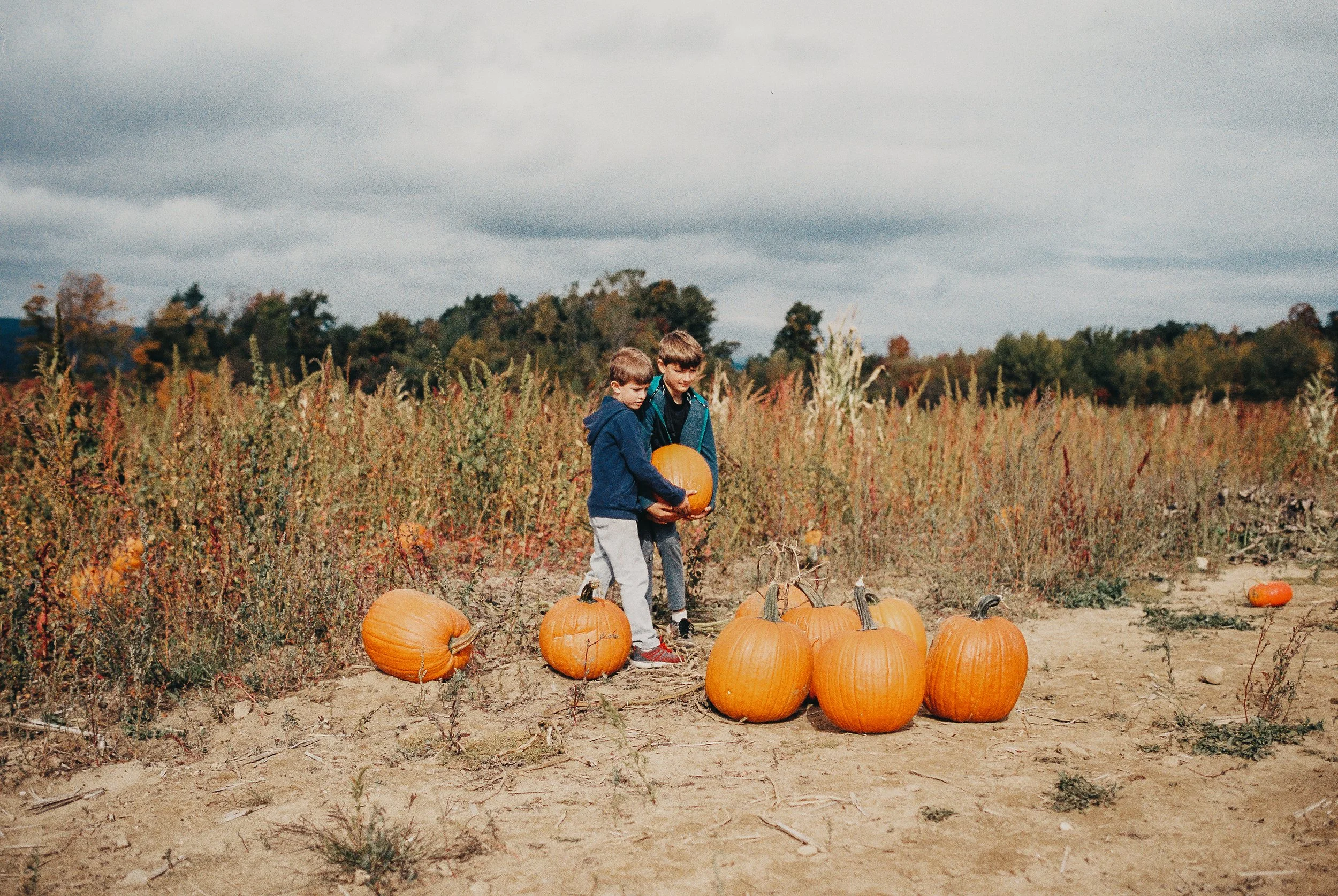
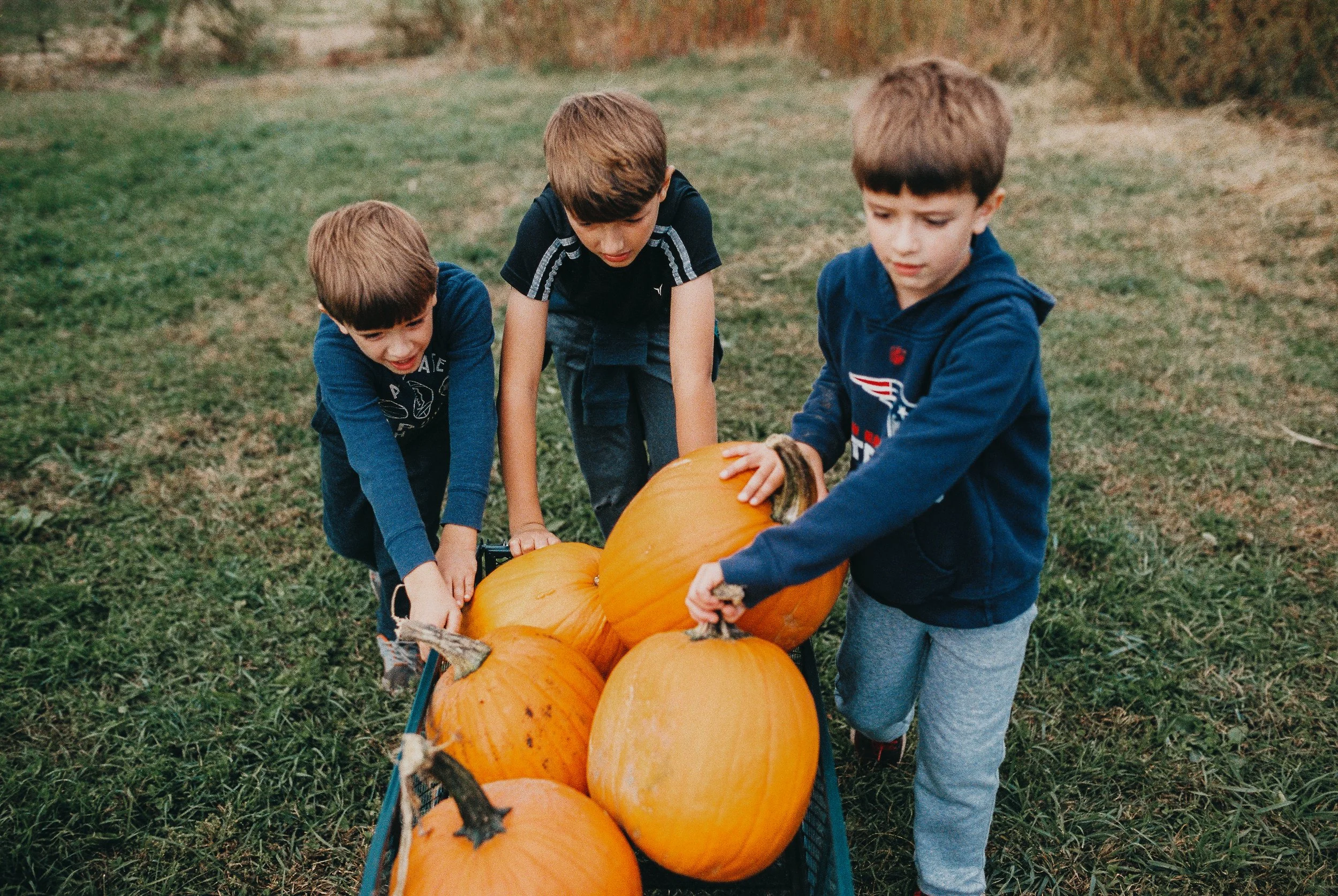
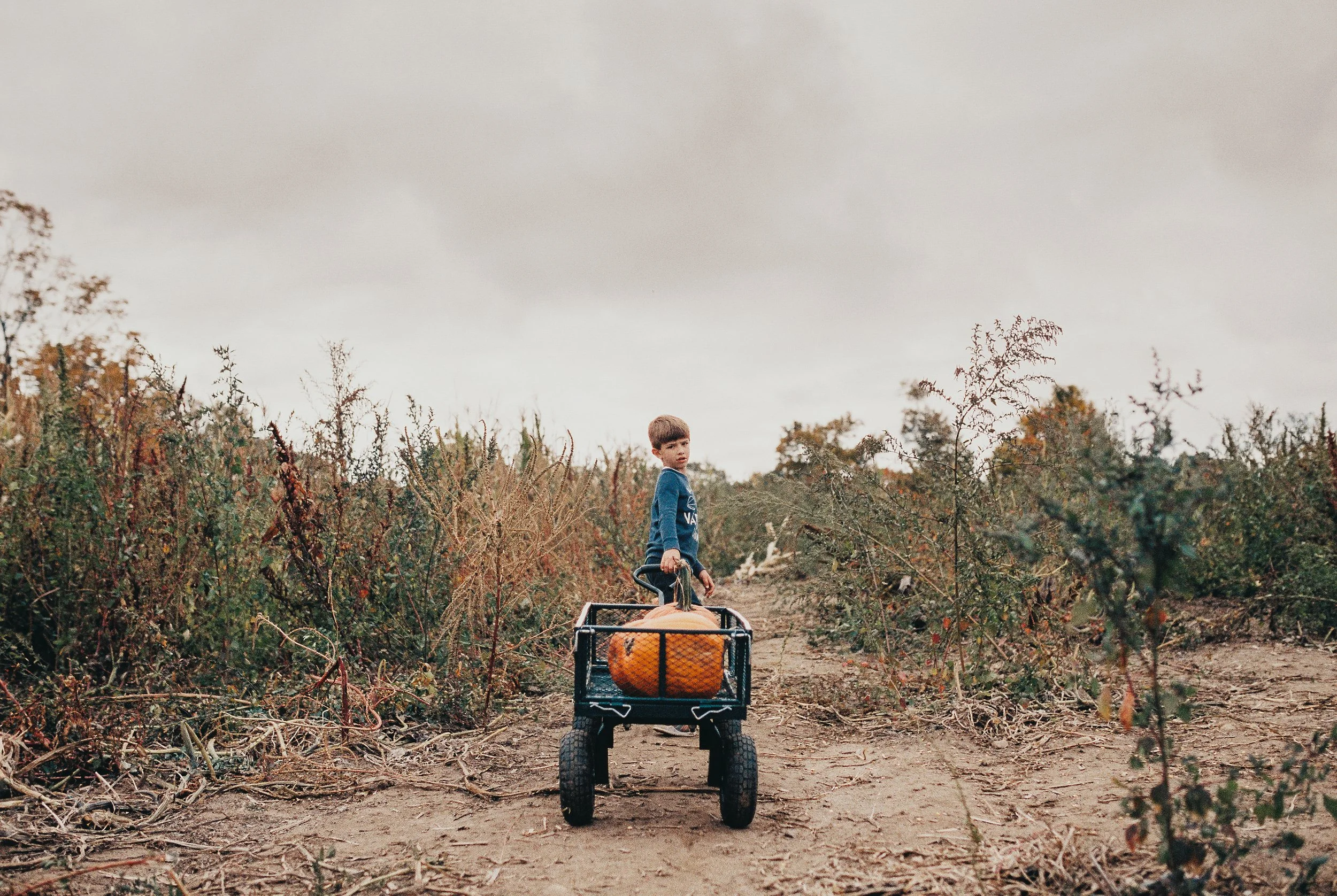
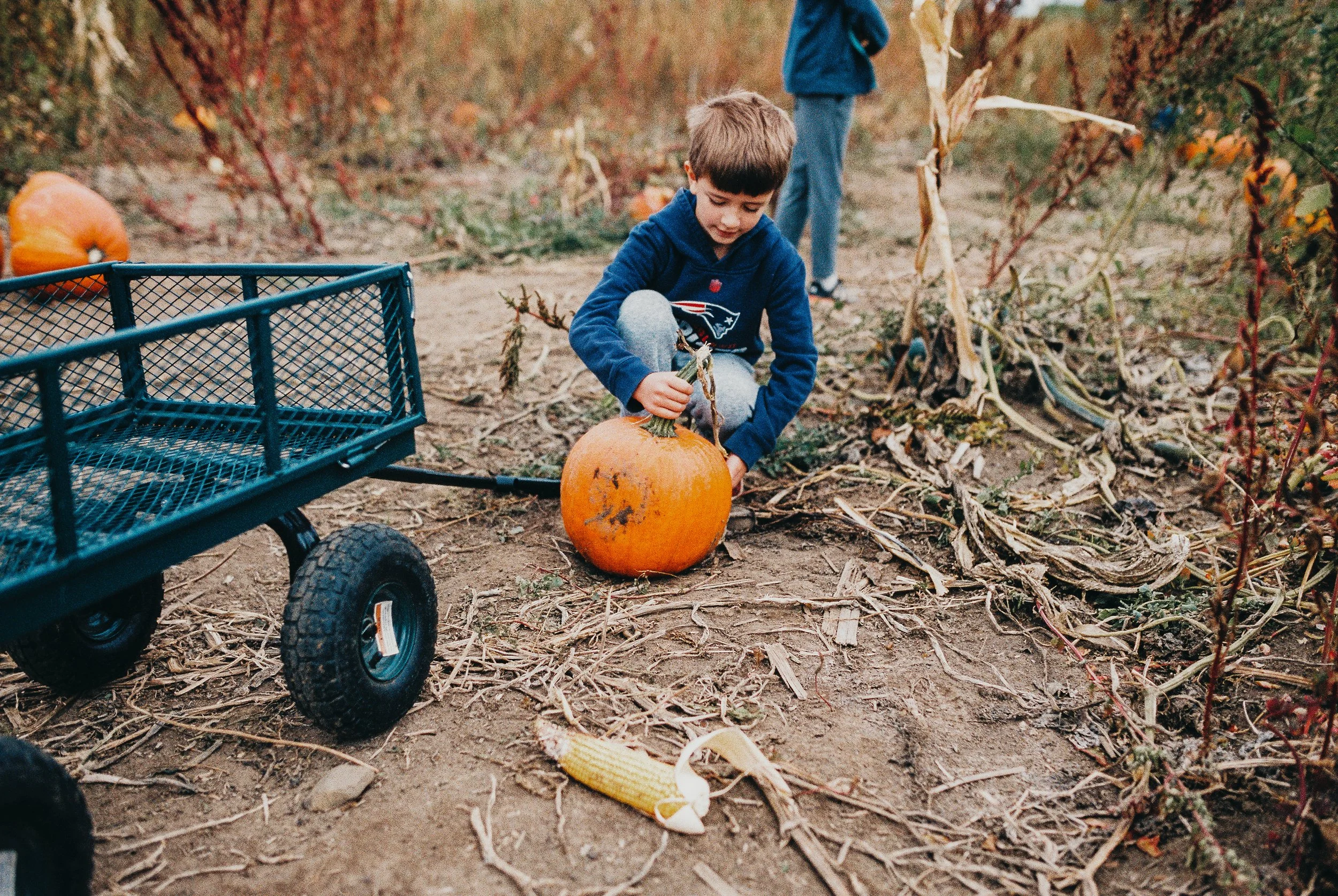
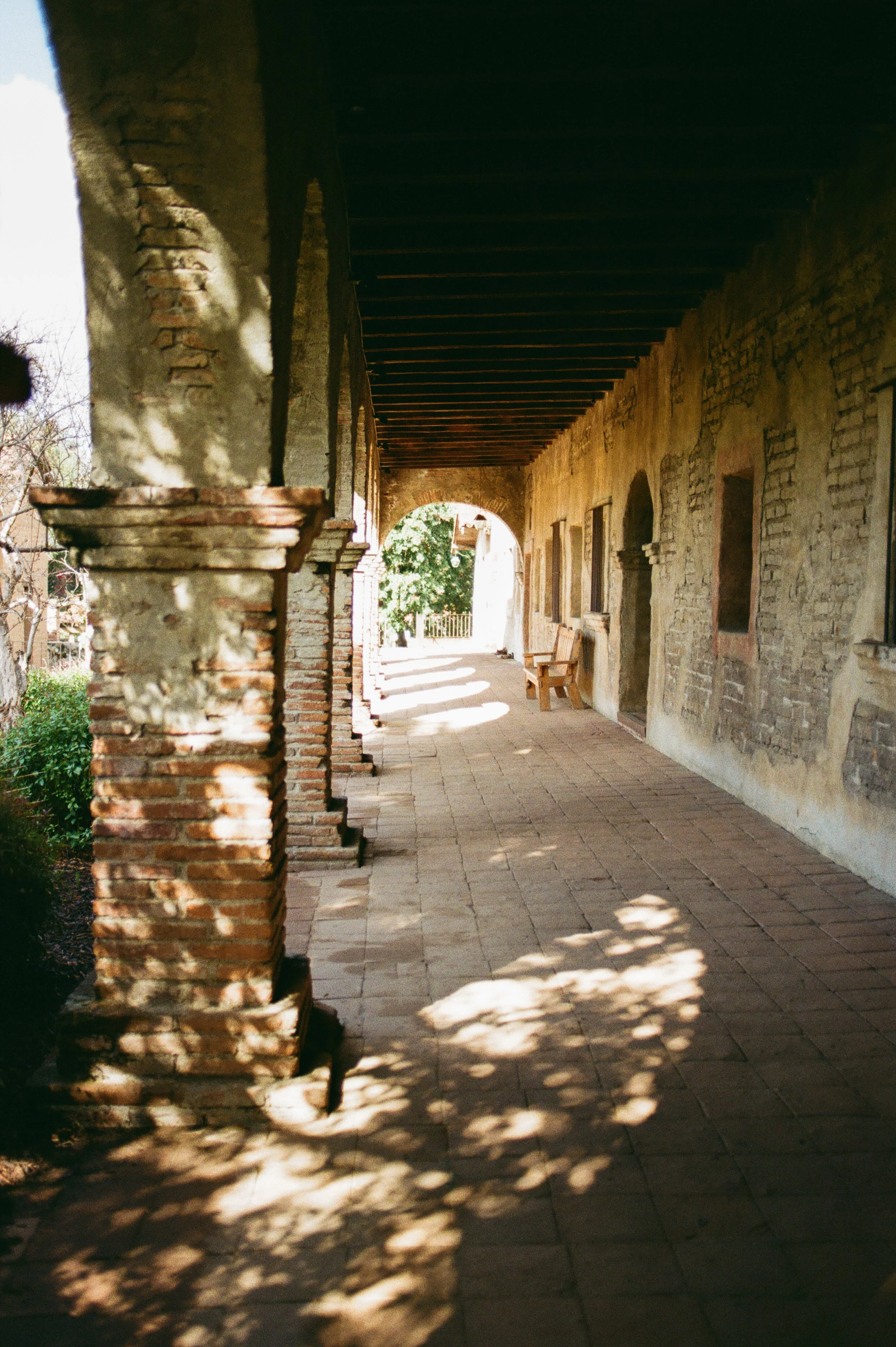
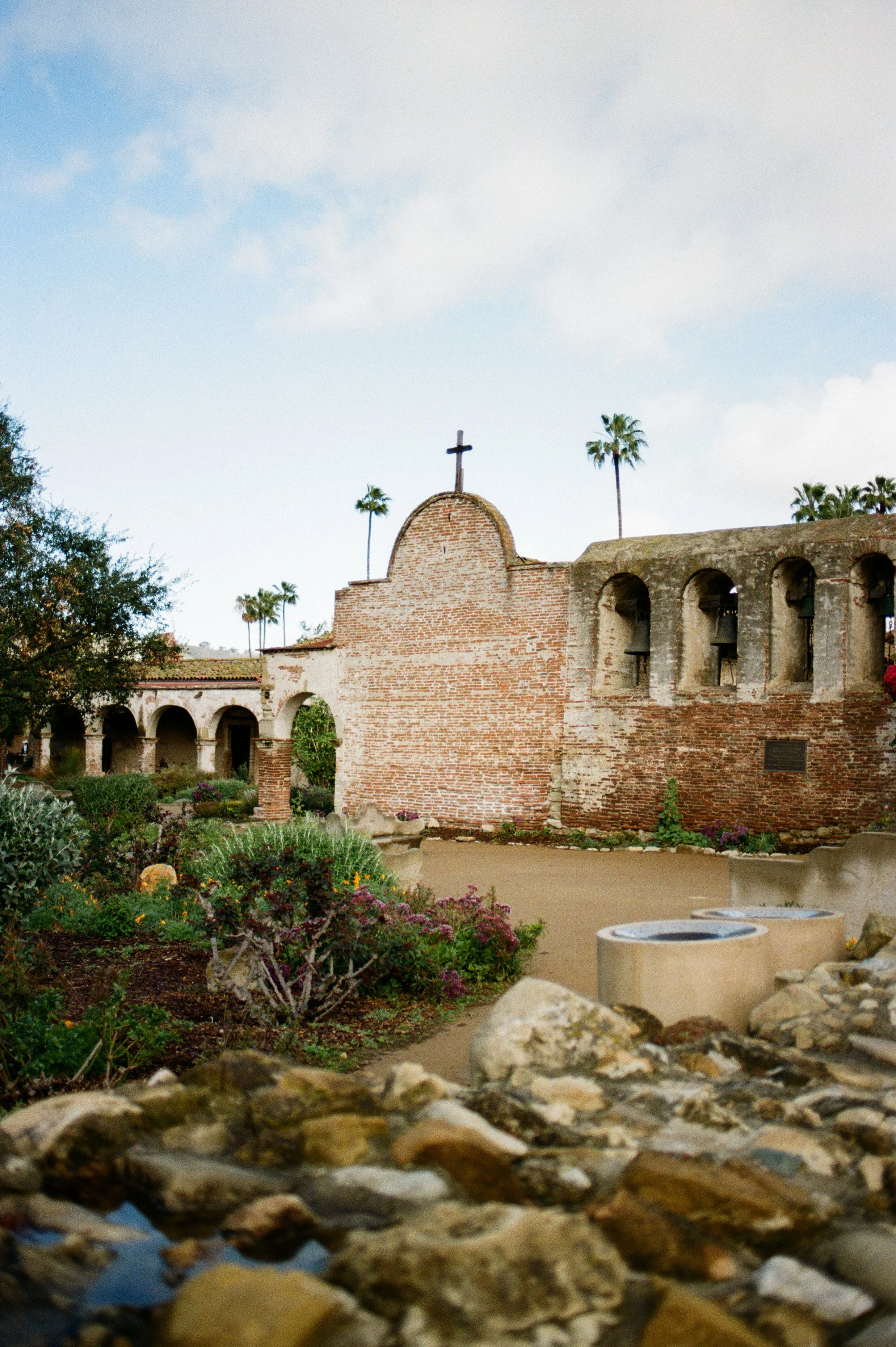
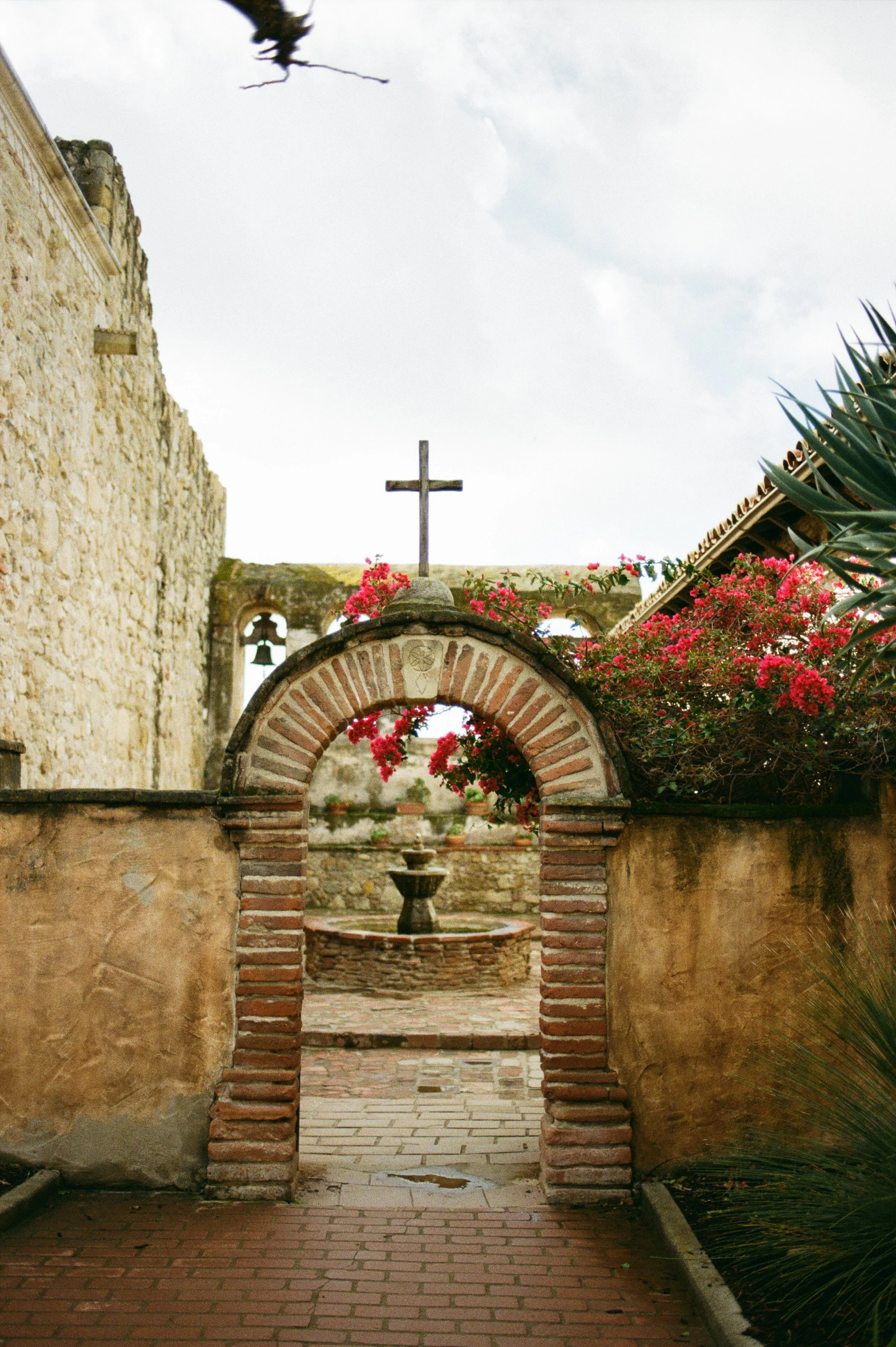
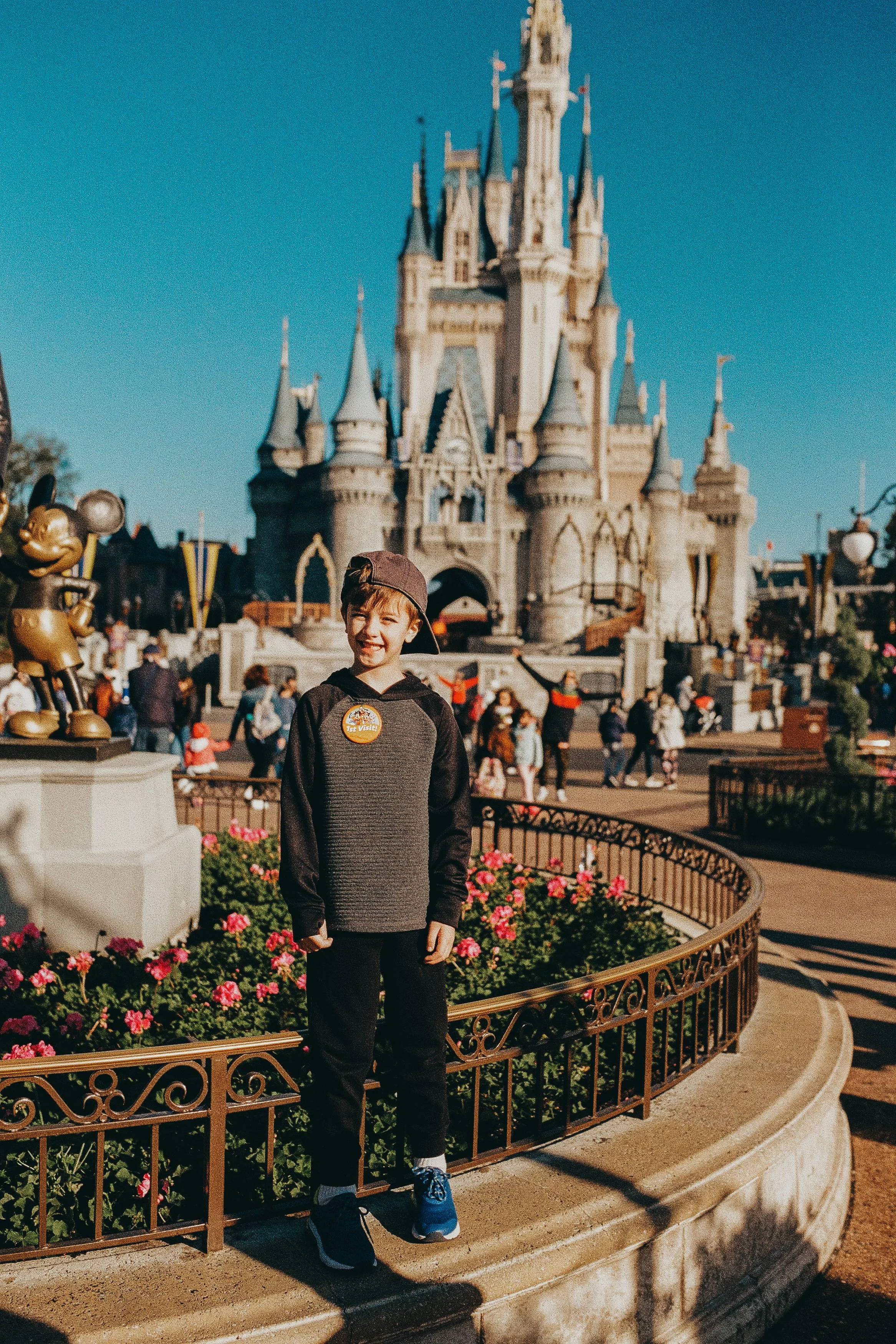
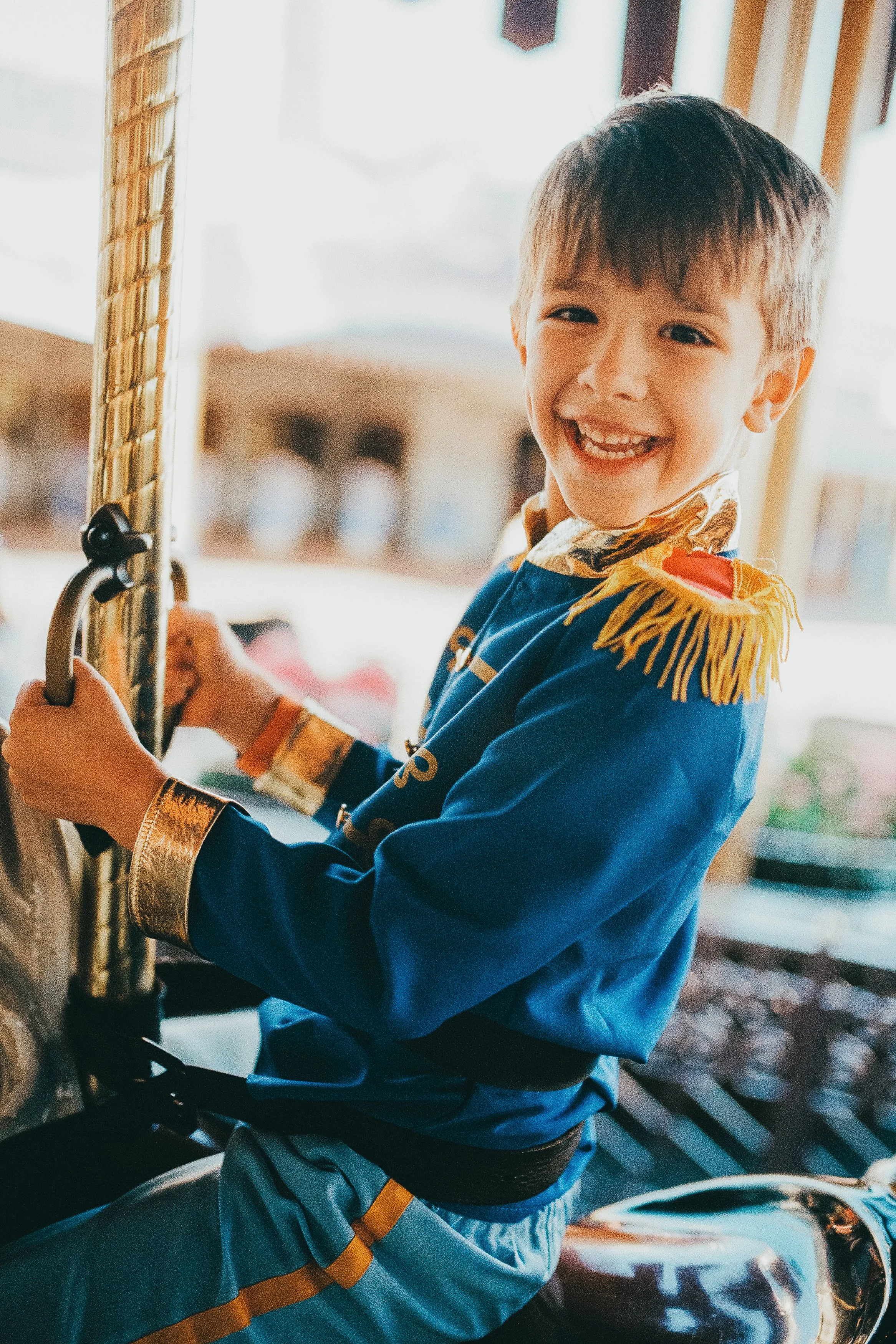
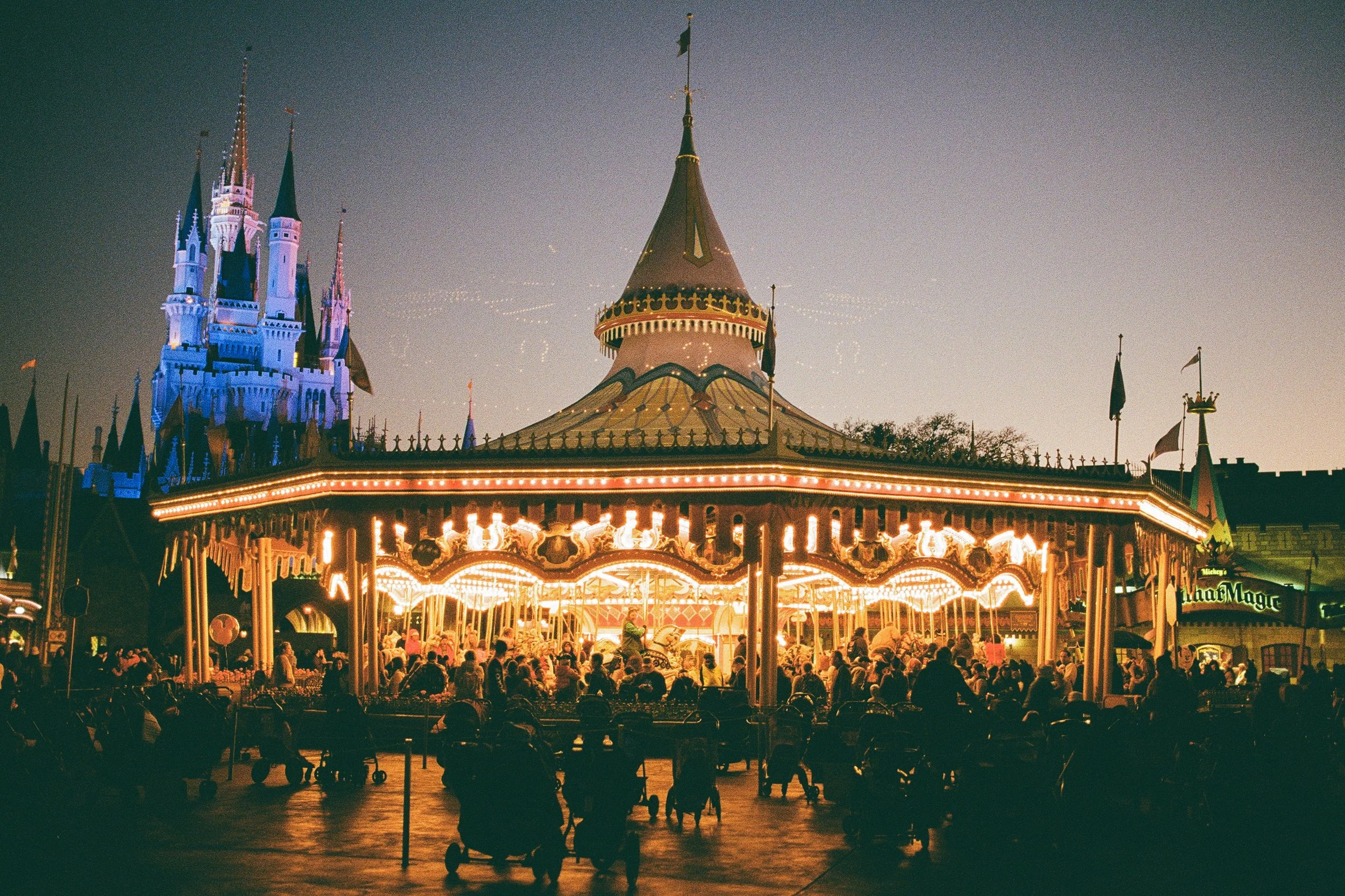
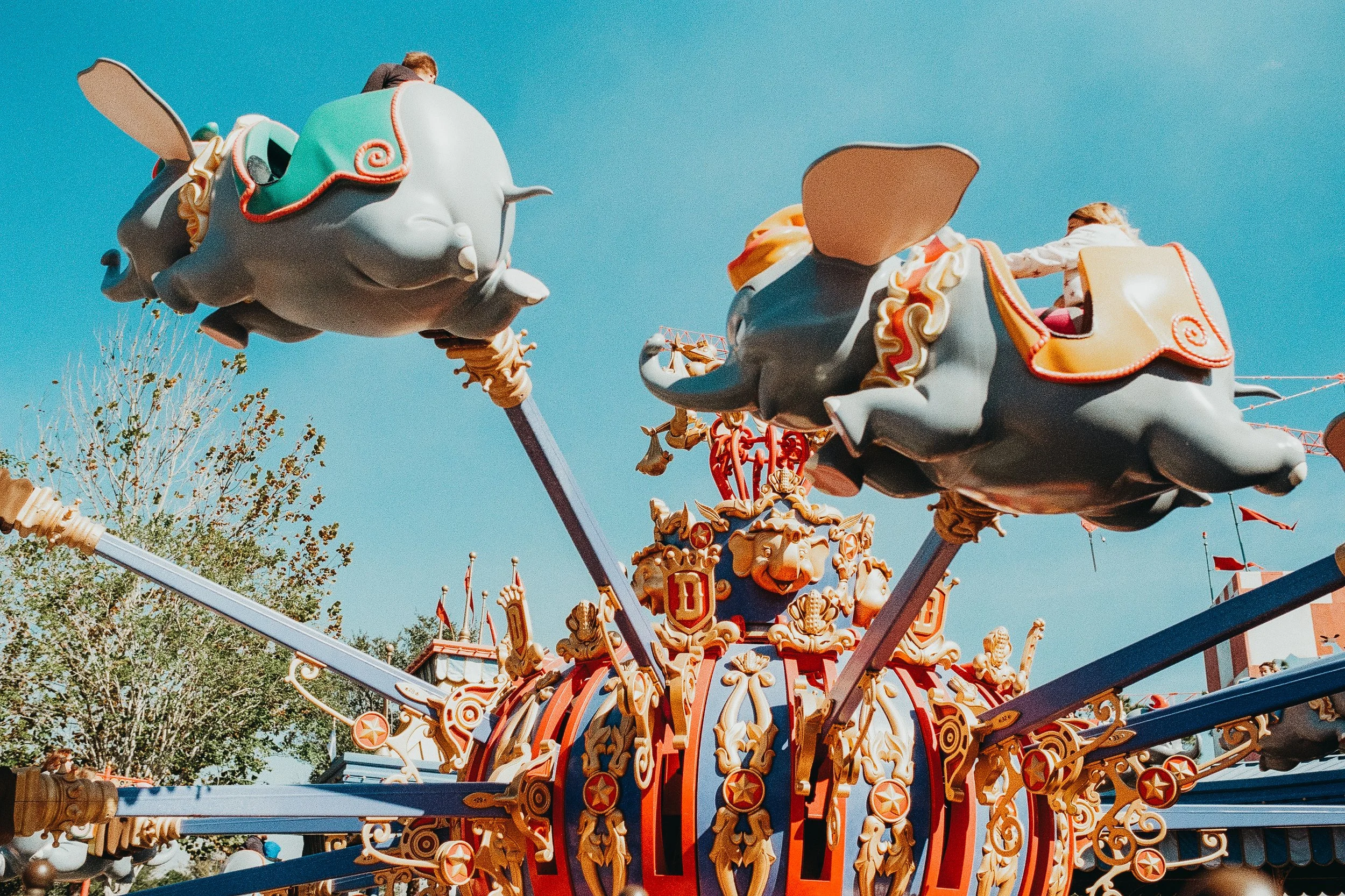
In 2018, I picked up a film camera again and started bringing it along for our family's everyday adventures. Pumpkin picking in the fall. Beach trips in the summer. Vacations to Disney. The ordinary moments that eventually become the memories we treasure most.
What surprised me wasn't how much I loved the images.
It was how much I loved the experience.
The Beauty of Not Knowing
One of the things I love most about shooting film is that it gives me permission to let go of perfection.
When I'm photographing a wedding or a client session, there are expectations attached to every image. As there should be.
But when I'm shooting film for myself? I don't know exactly what I'm getting.
And that's part of the fun. There's no zooming in to check sharpness. No reviewing every frame. No standing there wondering if I should take six more versions of the same photo just to be safe.
I make the photograph and move on.
For someone who has spent years behind a camera professionally, that's incredibly freeing. Film reminds me that photography doesn't always have to be perfect to be meaningful.

Film Has a Way of Making You Present
I think this is the part that often gets overlooked when people talk about film. Film has a way of making you participate in your life instead of documenting every second of it. When I'm out with my family, I don't want to spend the entire day staring at the back of my camera.
I want to be at the beach with my kids.
I want to be on the ride at Disney.
I want to actually experience the pumpkin patch instead of obsessing over whether I got the perfect image.
Because I only have a limited number of frames, I become more intentional about when I use them. And because I can't immediately review them, I'm not constantly pulled out of the moment. The result is that I often come home with fewer photographs than I would digitally.
But somehow, those photographs carry more significance.
Why Film Feels Different
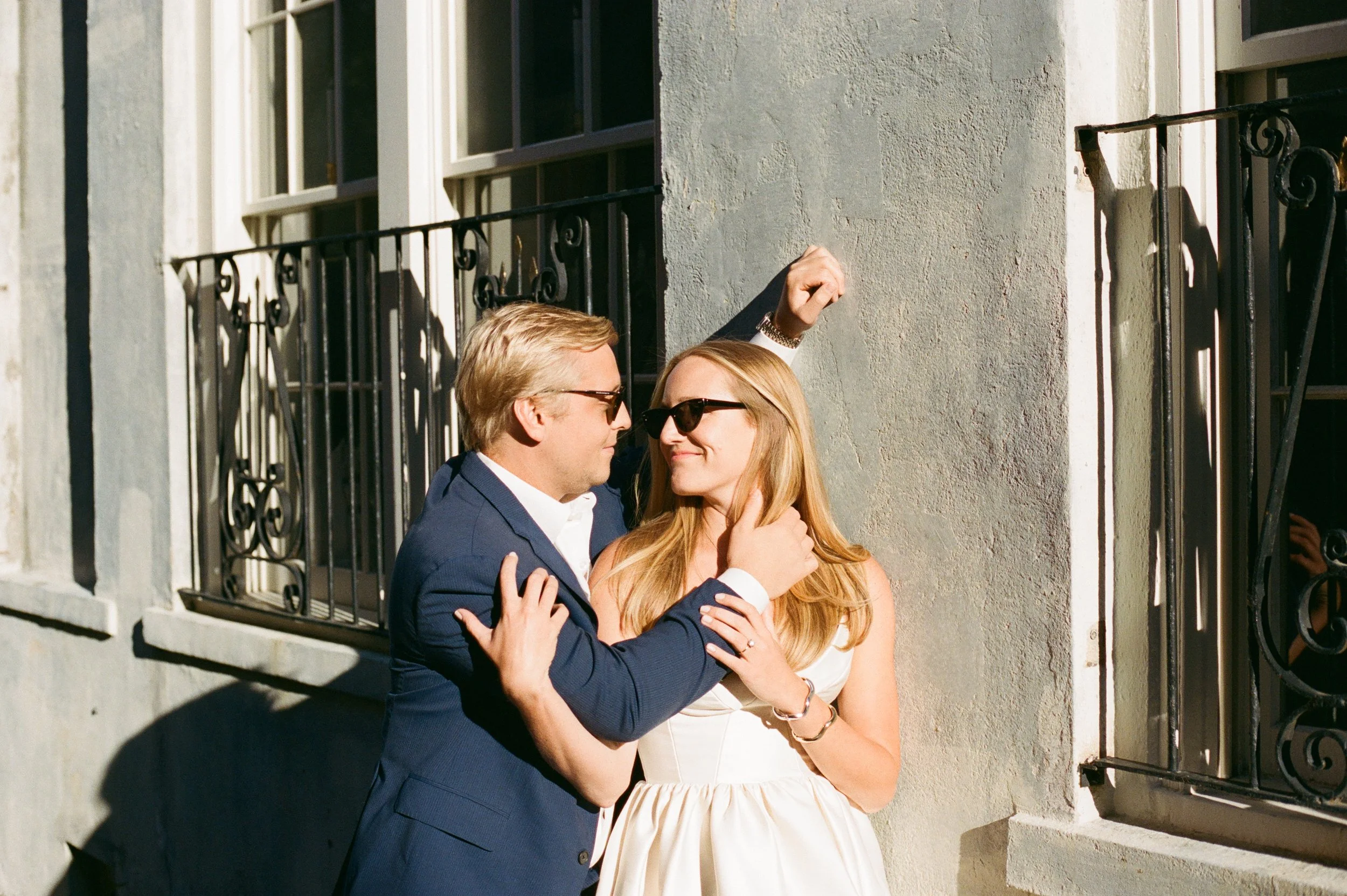
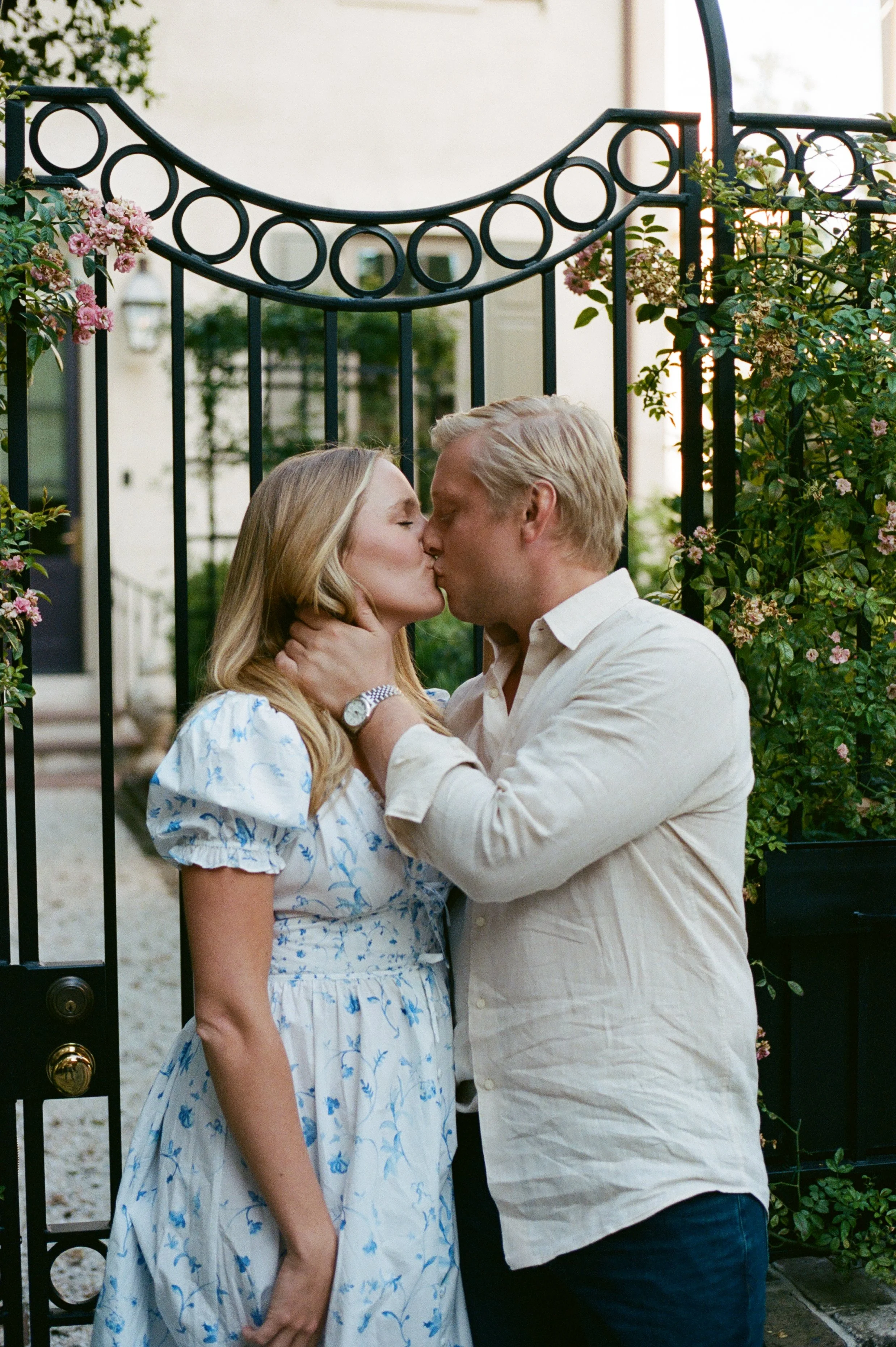
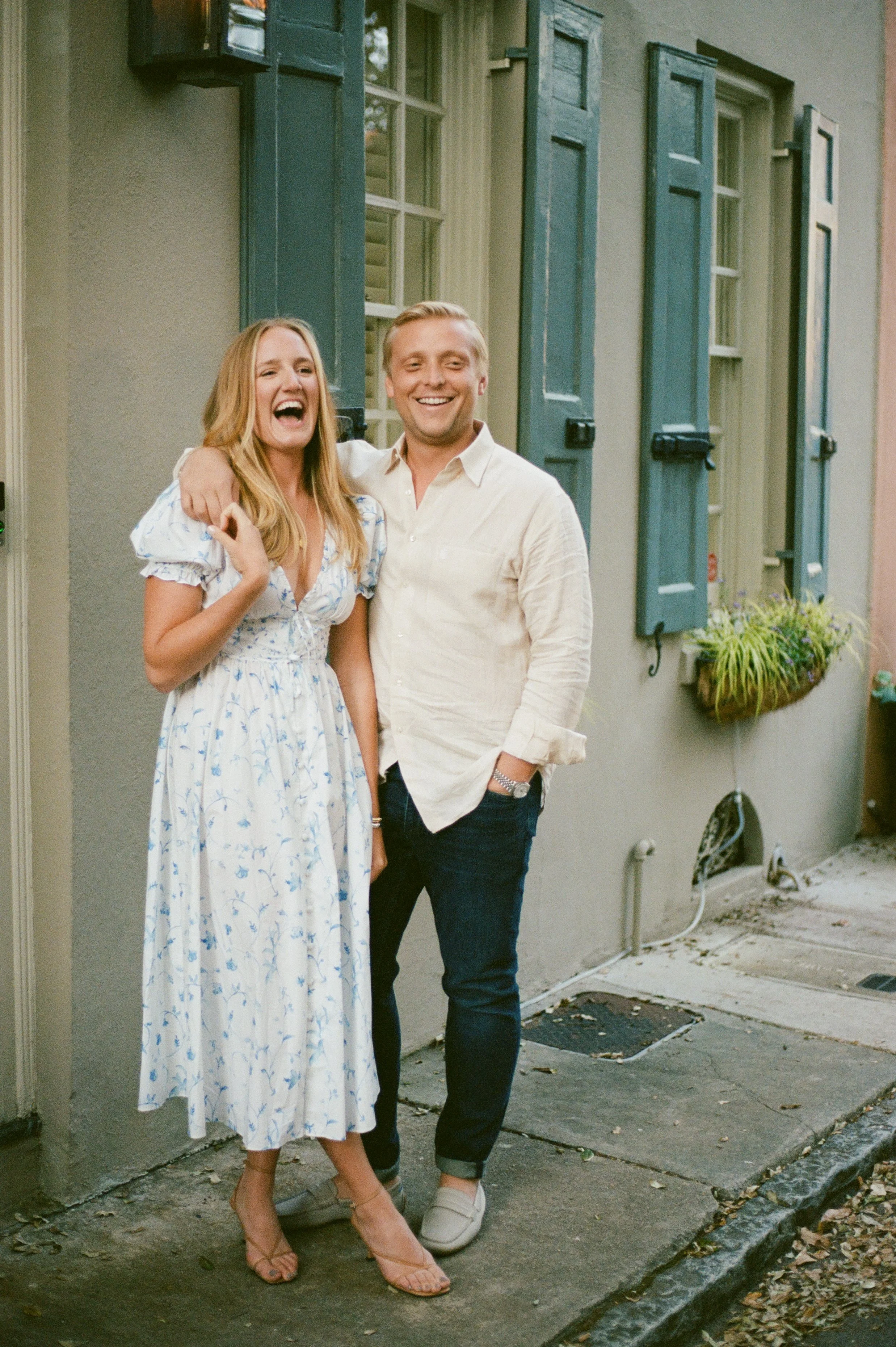
One of the biggest reasons photographers fall in love with shooting film is that it changes the way you approach making photographs.
When you only have 24 or 36 frames on a roll, you're less likely to hold down the shutter and hope one image works out. Instead, you become more intentional. You pay closer attention to the light. You think about your composition. You slow down and become more present in the moment.
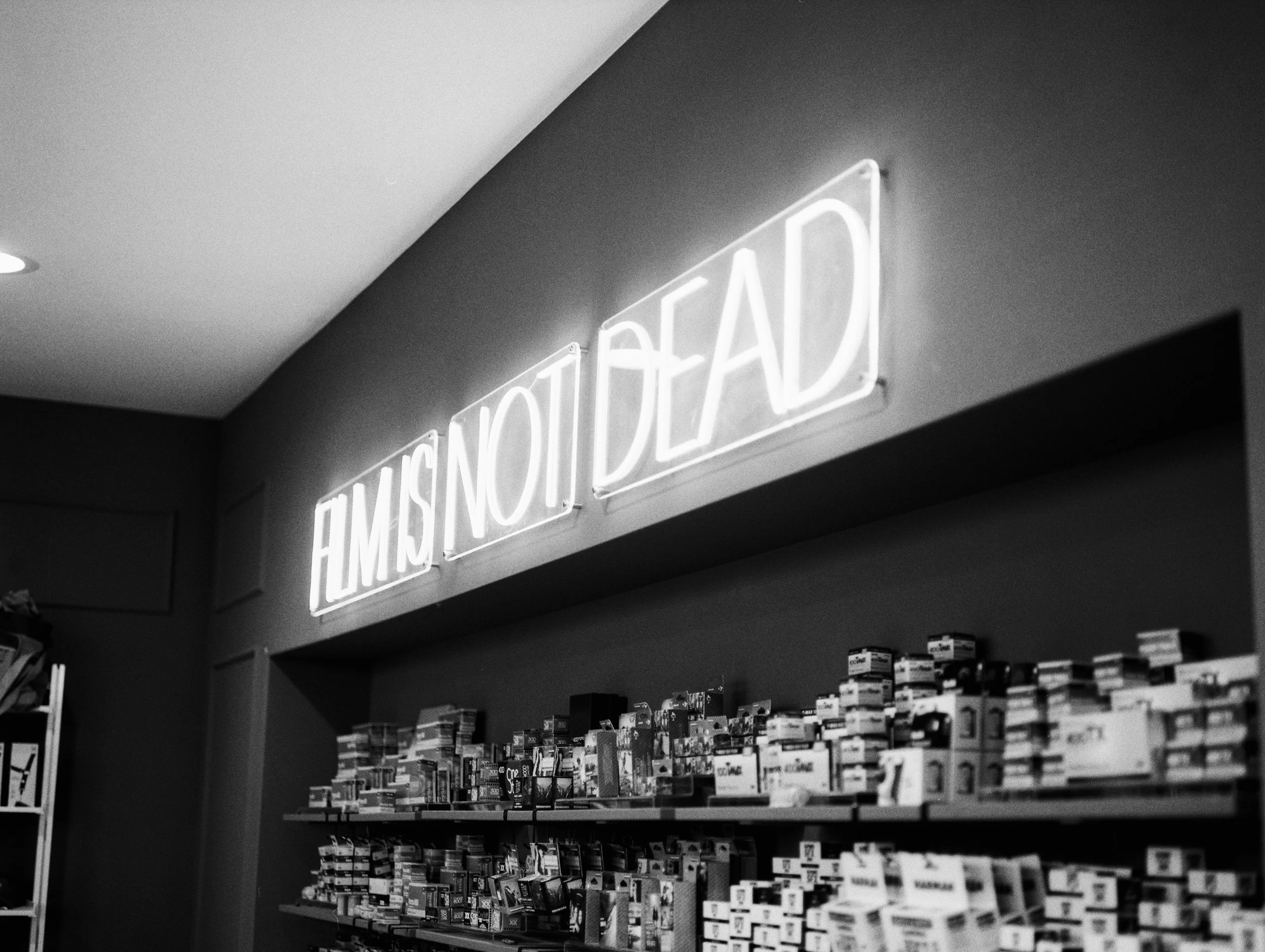
In many ways, film & photography have always gone hand in hand. Photography began with film, and while digital technology has created incredible opportunities for photographers, there's something about the tactile process of film that continues to resonate with people.
The experience is different. The pace is different. And for many photographers, that's exactly the point.
The Learning Curve Nobody Talks About
The challenge is that learning how to shoot film can feel surprisingly overwhelming.
Not because film itself is impossibly difficult, but because there is so much information available and not all of it is beginner-friendly.
Spend ten minutes researching film online and you'll quickly find yourself reading about film stocks, metering, exposure latitude, box speed, pushing, pulling, scanning, developing, and countless opinions about the "right" way to do things.
It's easy to feel like you need to understand everything before you ever load your first roll.
The reality is much simpler.
Like any skill, learning to shoot film starts with understanding a few key fundamentals. Once those pieces click into place, the process becomes far less intimidating and a lot more enjoyable.
You Don't Need to Know Everything to Get Started
One of the biggest misconceptions about shooting film is that you need to become an expert before you're ready to begin. You don't.
You don't need to memorize every film stock on the market. You don't need to understand every technical nuance. And you certainly don't need to spend months watching YouTube videos before you're allowed to load a roll of film into a camera.
What you do need is a clear understanding of how film works, how light affects your images, and how to make intentional exposure decisions.
That's where confidence comes from.
And once you understand those fundamentals, you can spend less time guessing and more time creating photographs you love.
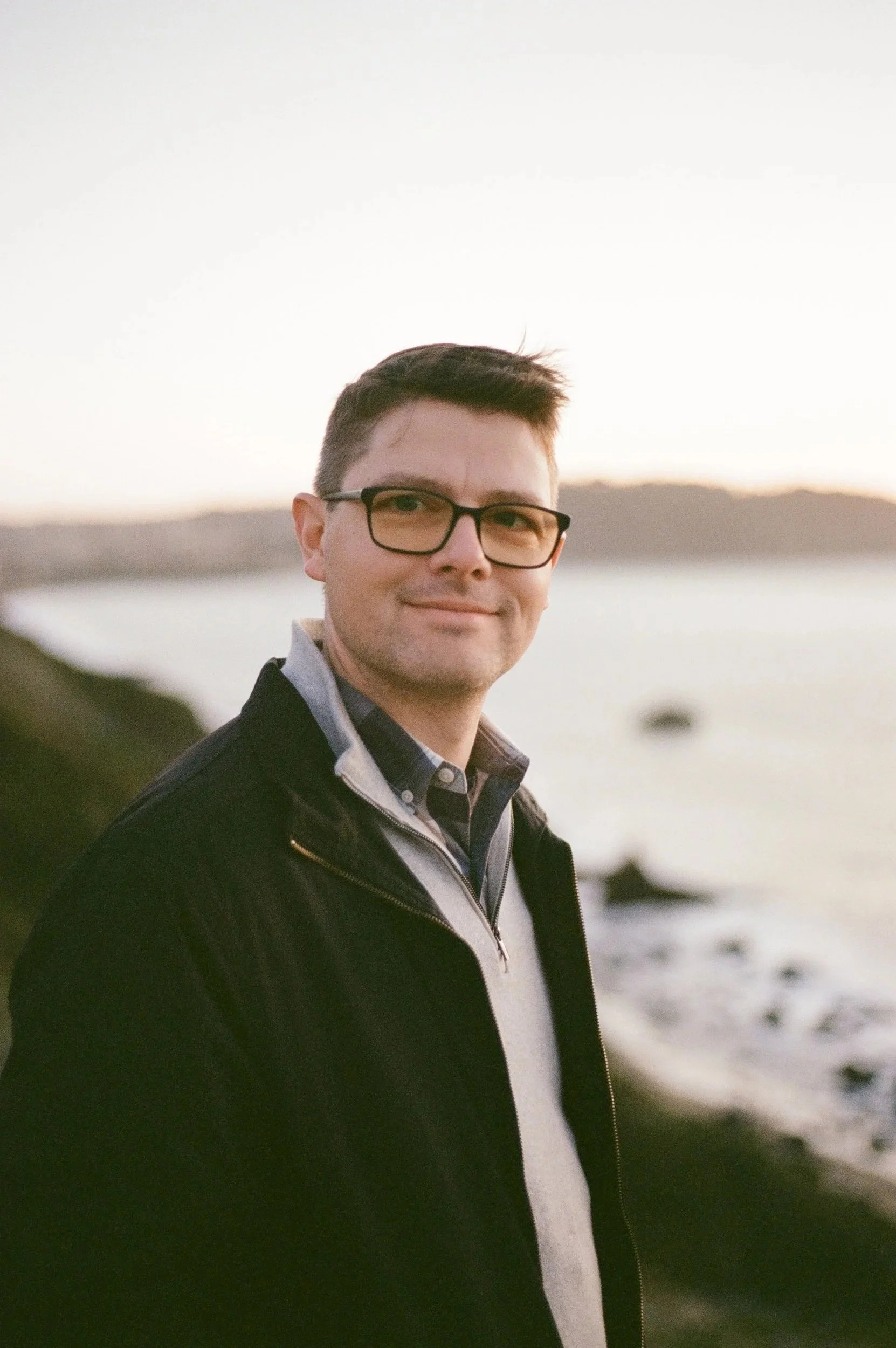

A Better Way to Learn Film Photography
That's exactly why I created Film Photography Made Simple.
After years of shooting both film and digital, I noticed the same thing happening over and over again: people were genuinely excited to learn film, but they often felt overwhelmed by the way it was being taught.
So I created the course I wish existed when I was first learning and later re-learning film myself.
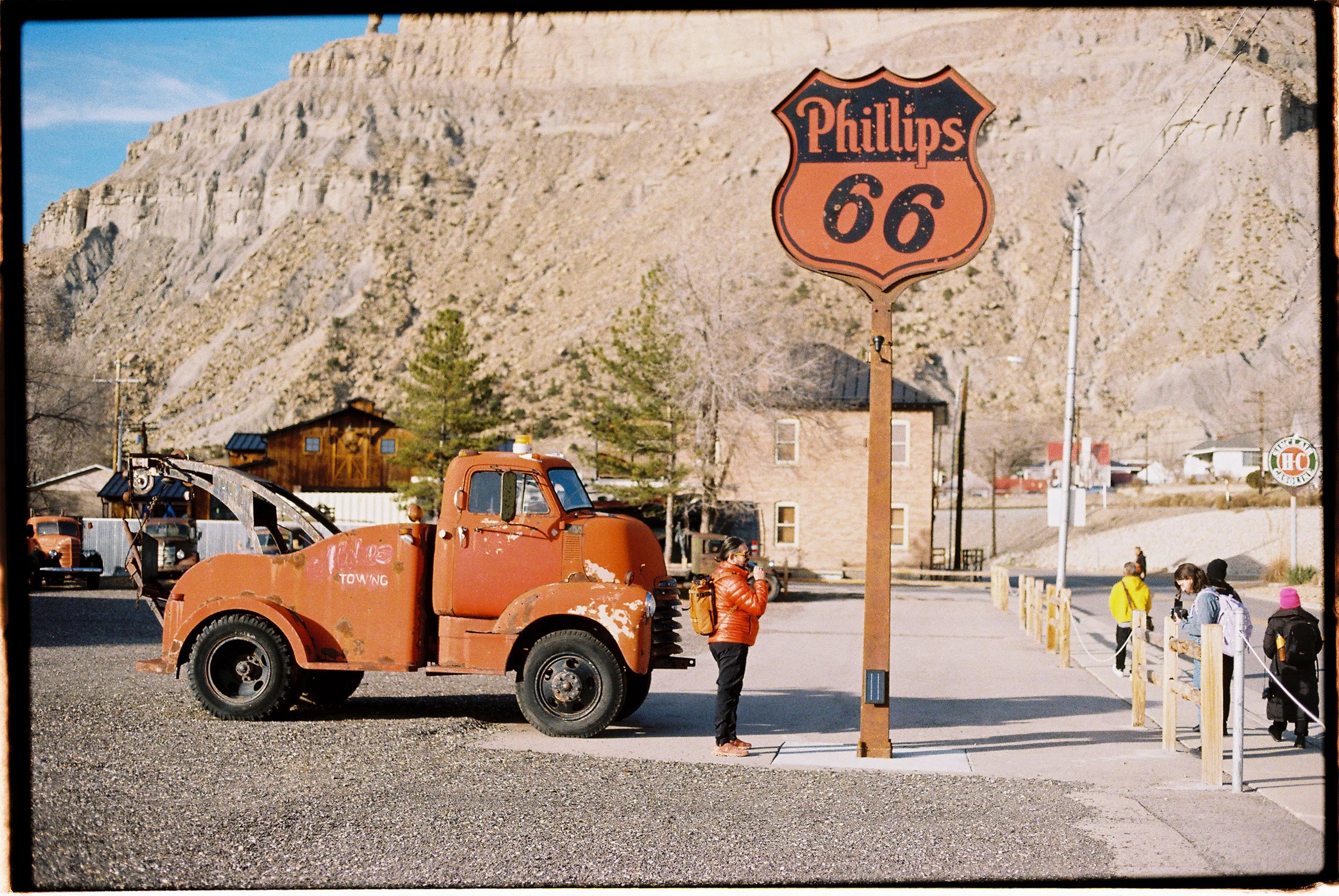
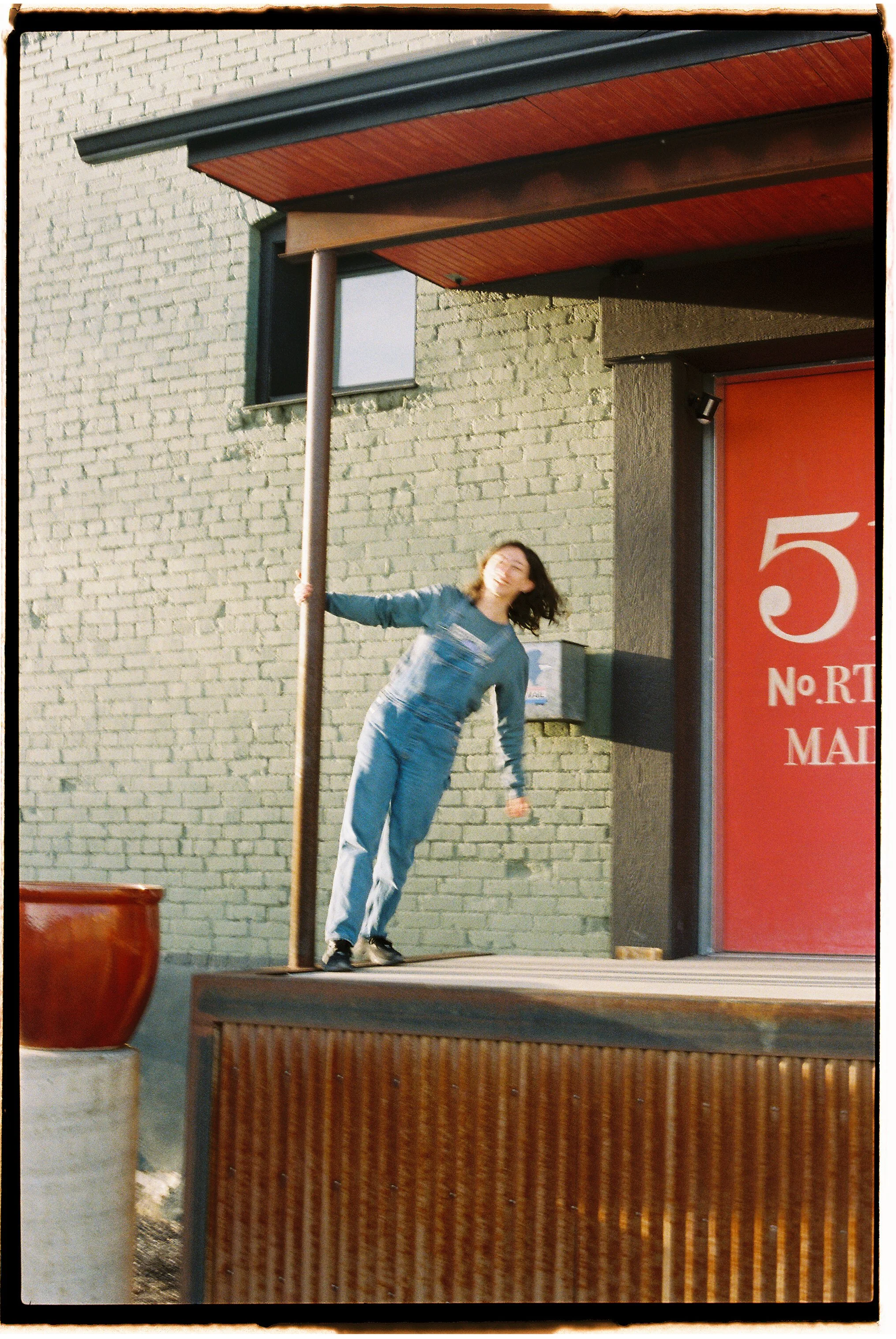
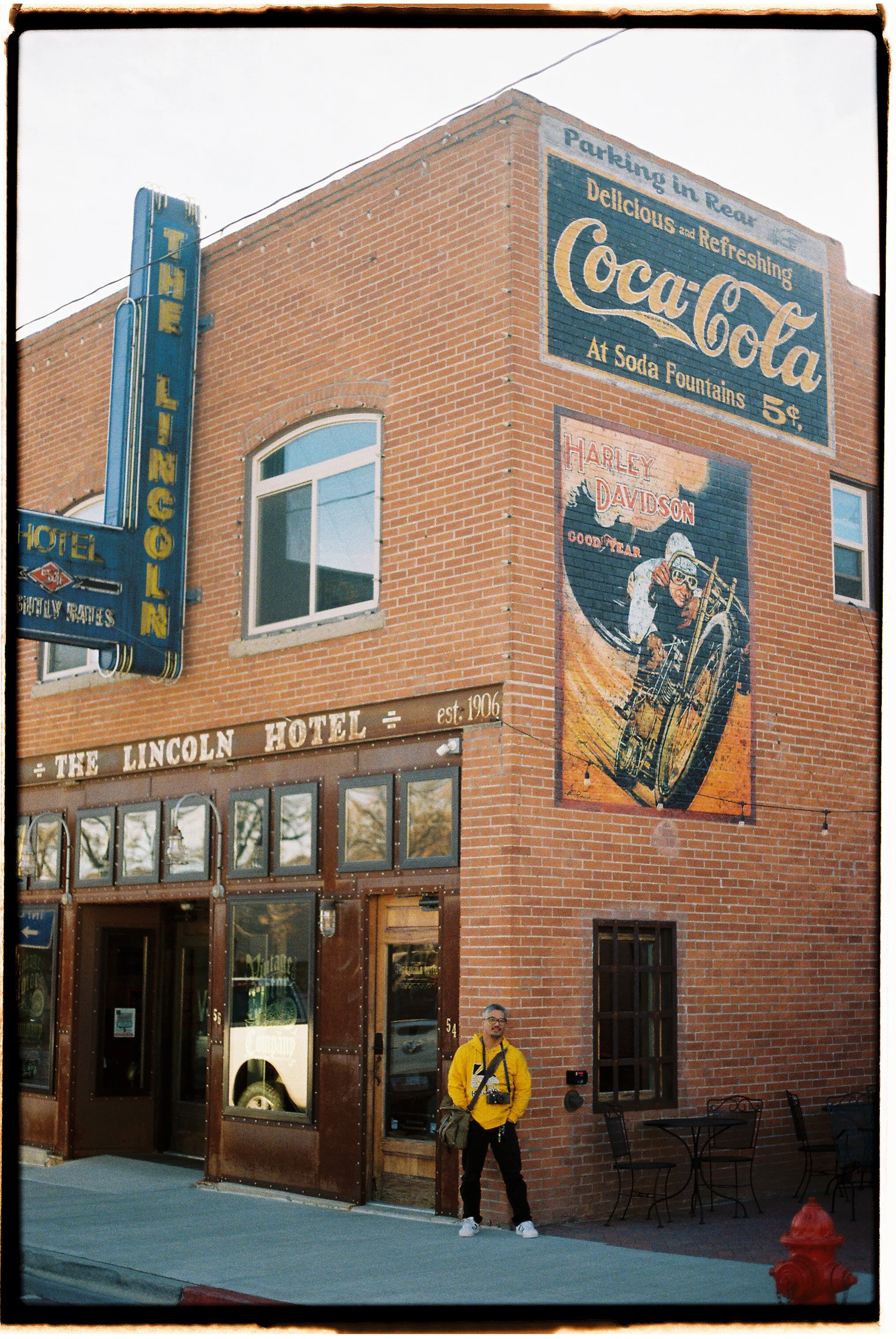
Film Photography Made Simple is designed to help photographers understand the fundamentals of shooting film without the confusion, jargon, or gatekeeping that often surrounds it. Inside the course, you'll learn how film works, how to meter confidently, how to choose film stocks, how to make intentional exposure decisions, and how to review your scans so you can continue improving with every roll.
Whether your goal is to occasionally shoot film for fun or incorporate it into your regular photography workflow, the course provides a practical, approachable foundation that helps you build confidence from the very beginning.
Ready to Start Shooting Film?
If you've been curious about film photography but haven't known where to start, this course was built for you.
You don't need another dozen conflicting opinions from internet forums. You don't need to memorize technical terminology. And you don't need to wait until you feel completely ready.
You just need a place to start.
Film Photography Made Simple is available now and is designed to help you move from being curious about film to confidently shooting it.
Because film photography should feel exciting, not intimidating.