Finding Inspiration in Fall Photography: How to Capture the Feeling of Autumn | by Holly Awwad
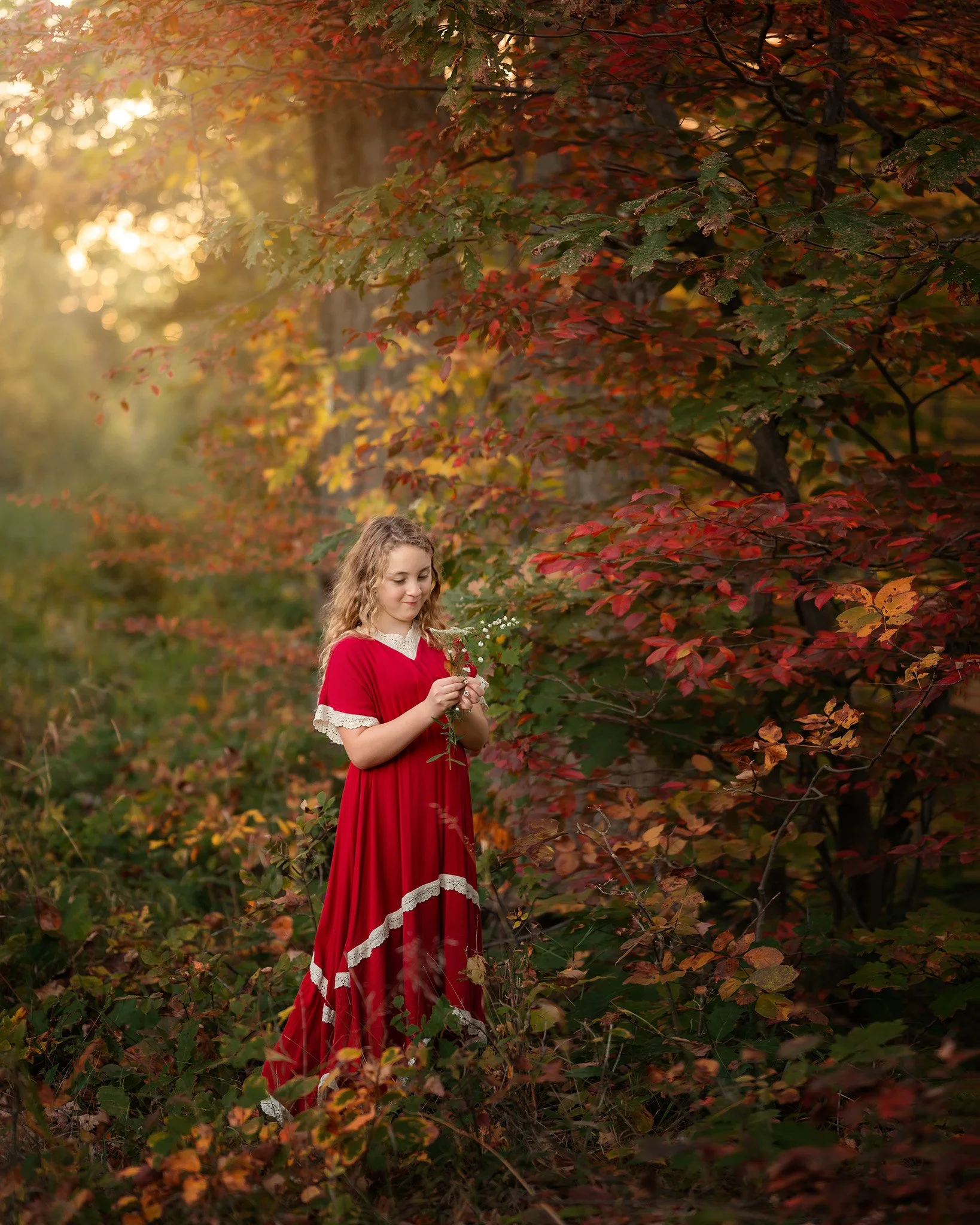
Autumn is my absolute favorite season to pick up my camera. Maybe it’s the color. Maybe it’s the cooler air after a long summer. Maybe it’s the way the light seems to turn a little softer and warmer as the days get shorter. Or maybe it’s simply knowing how quickly it all disappears. One week the trees are just beginning to change, and before you know it, the branches are bare and those beautiful fall colors are scattered across the ground. The fact that it doesn’t last that long is part of what makes autumn photography so special to me.
Fall gives us so much to work with as photographers, whether we are taking portraits, landscapes, nature, macro, or simply documenting everyday life. But some of my favorite autumn images aren't necessarily the ones with the biggest display of fall color. They are the images that actually feel like the season.
So instead of thinking only about what to photograph this fall, I want to encourage you to think about something a little different:
What does autumn feel like to you, and how can you photograph that feeling?
Look Beyond the Fall Foliage
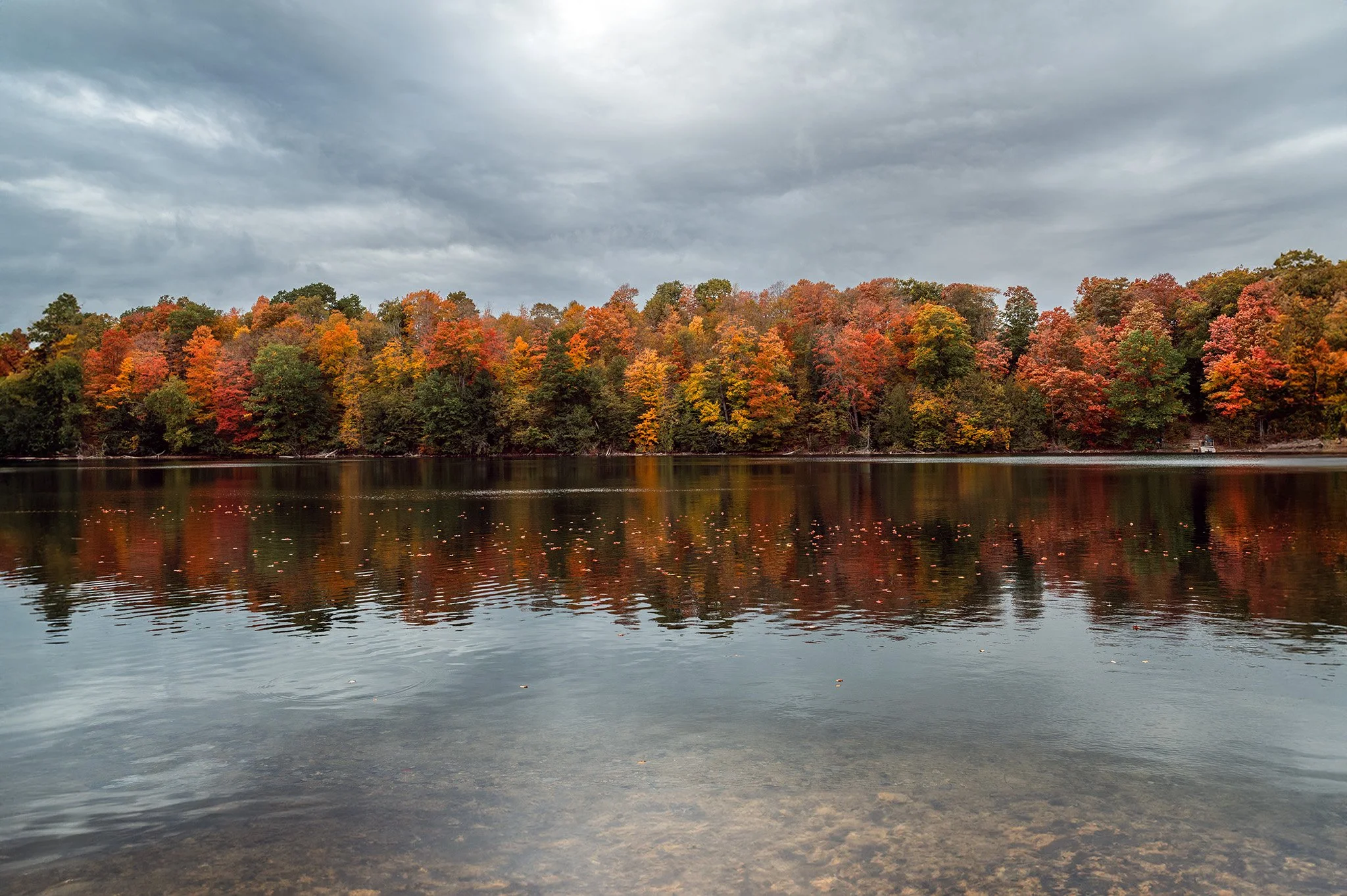
When we think about fall photography, colorful trees are usually the first thing that comes to mind. Those brilliant reds, oranges, yellows, and golds make incredible subjects and backgrounds. But autumn is so much more than peak fall color.
It’s the first leaves scattered across a walking path. A field of dried grasses glowing in the evening light. Pumpkins piled outside a farm market. Morning fog hanging between the trees. A single curled leaf covered in raindrops. The warm colors of an orchard. The first frost. The last flowers of summer slowly fading away.
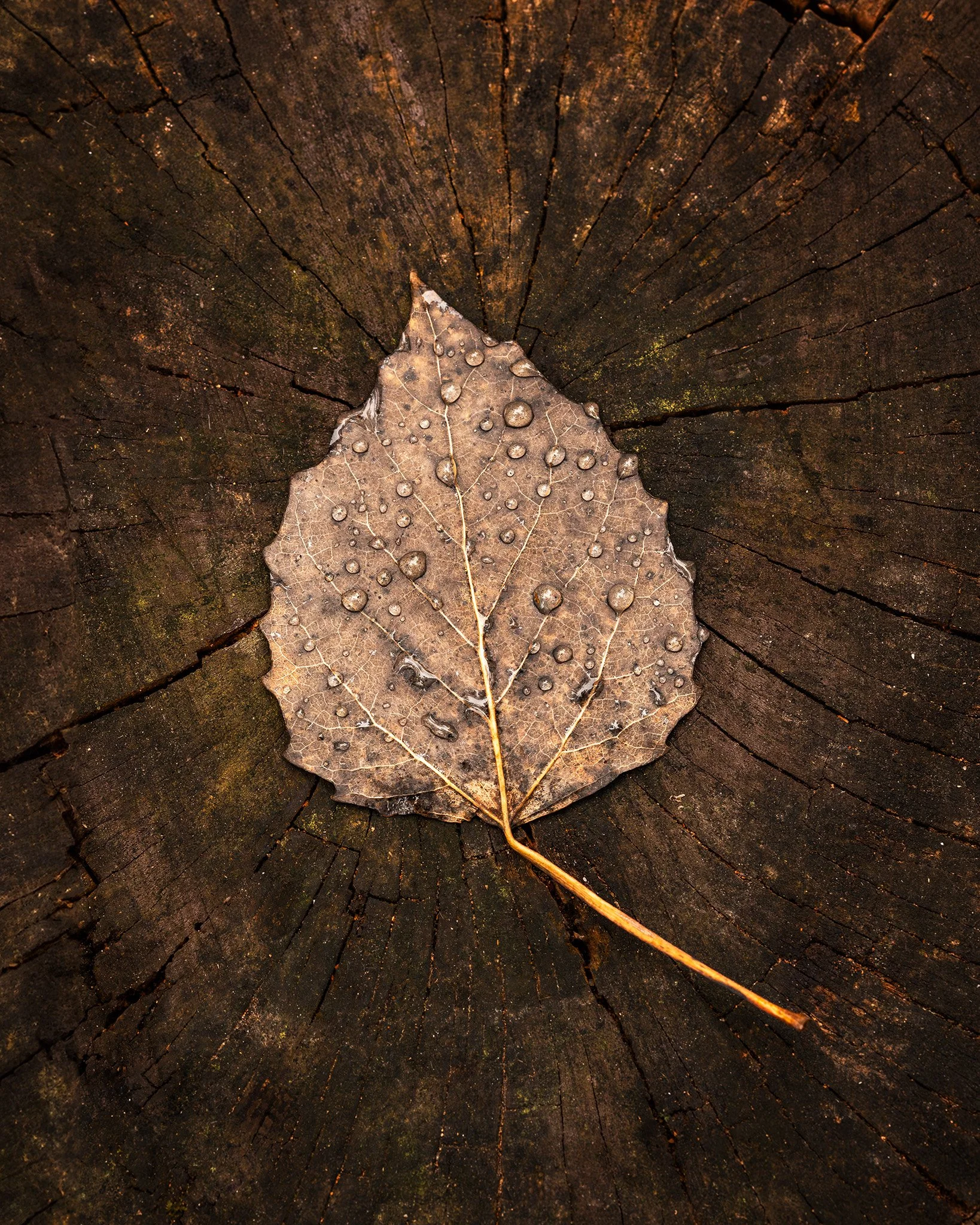
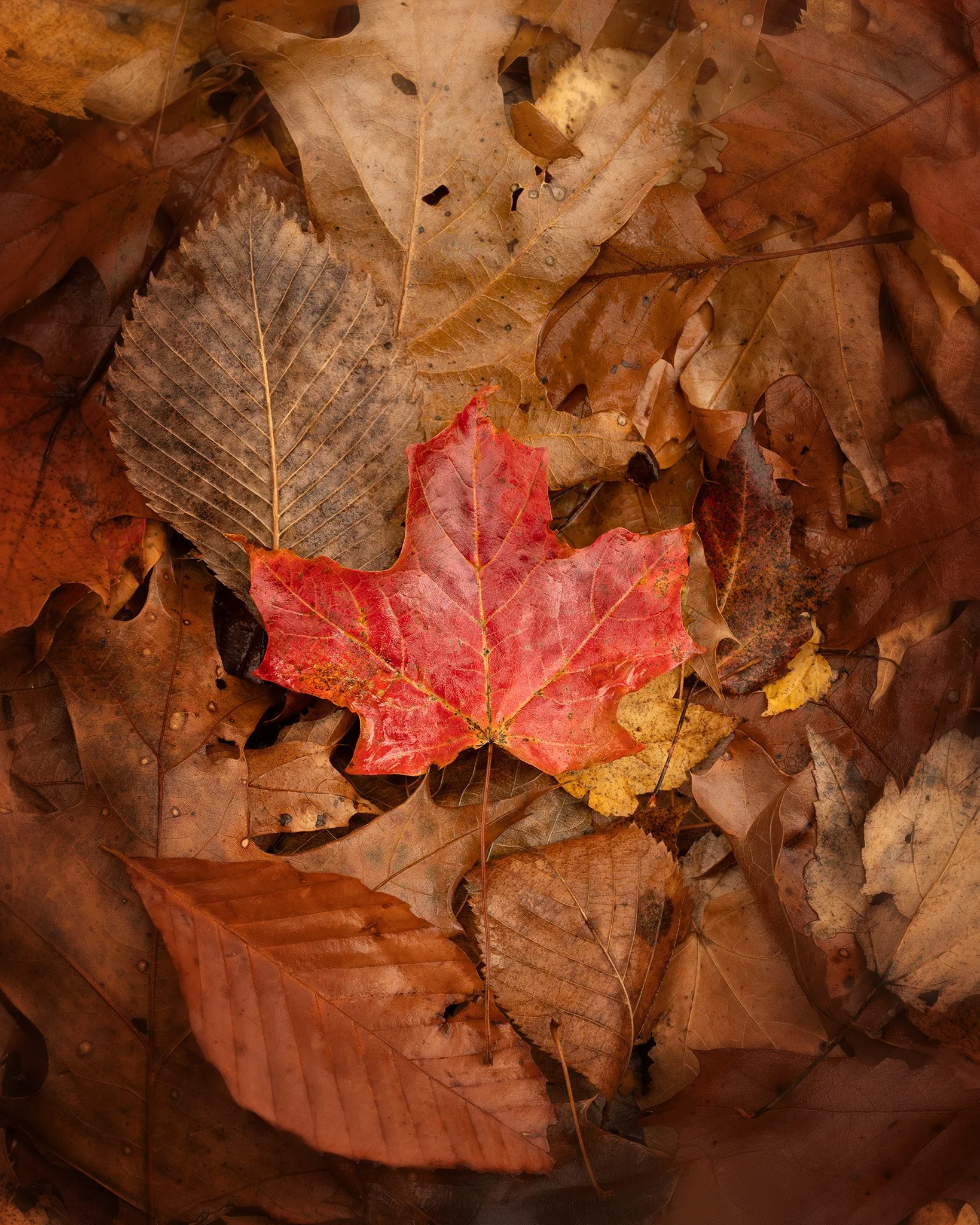
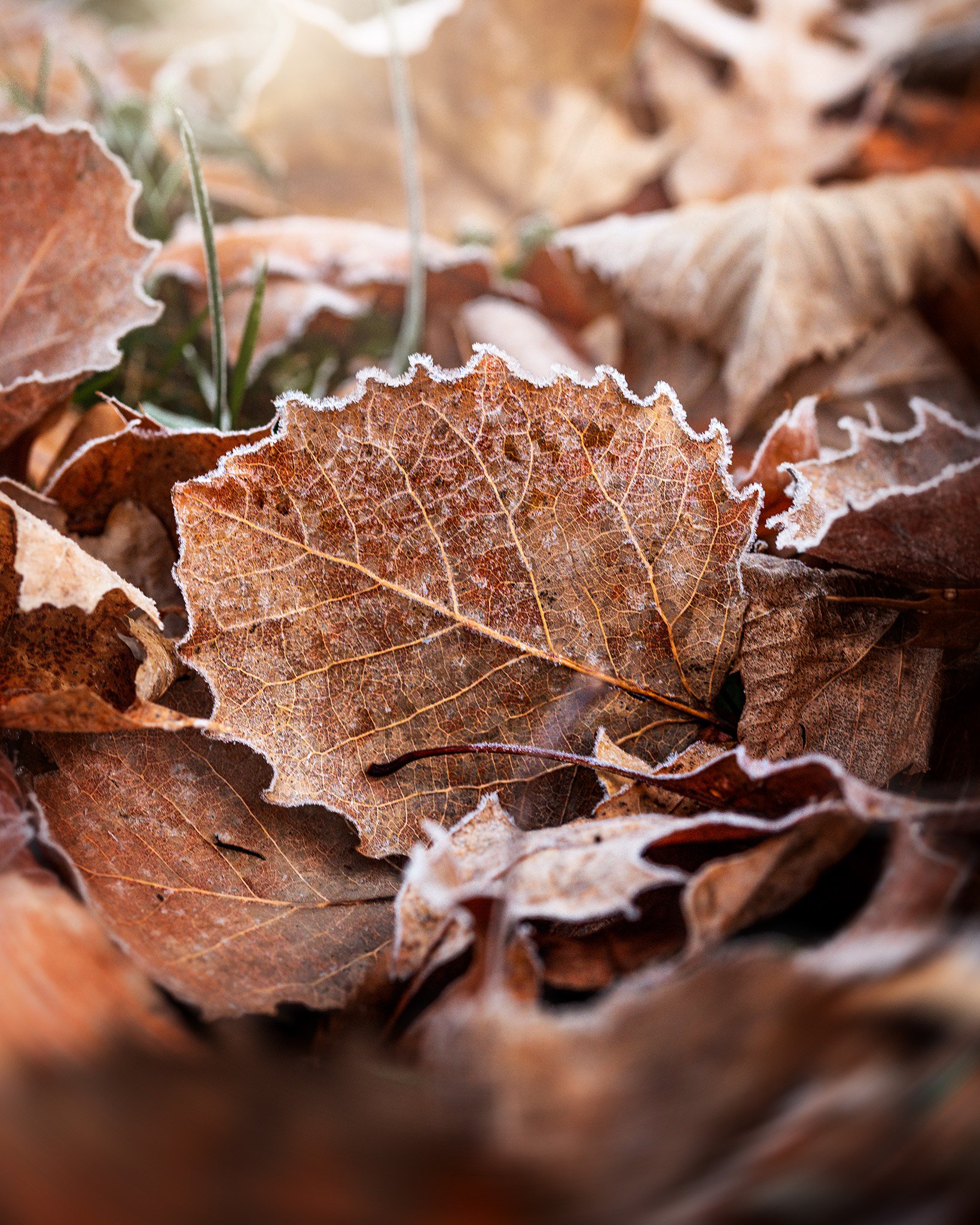
Even bare branches and brown leaves can tell part of the story.
One of the things photography has taught me is that we don't always have to wait for the most spectacular moment. There is beauty in the transition, too. In fact, sometimes those in-between season details tell the story of autumn better than a hillside filled with colorful trees ever could.
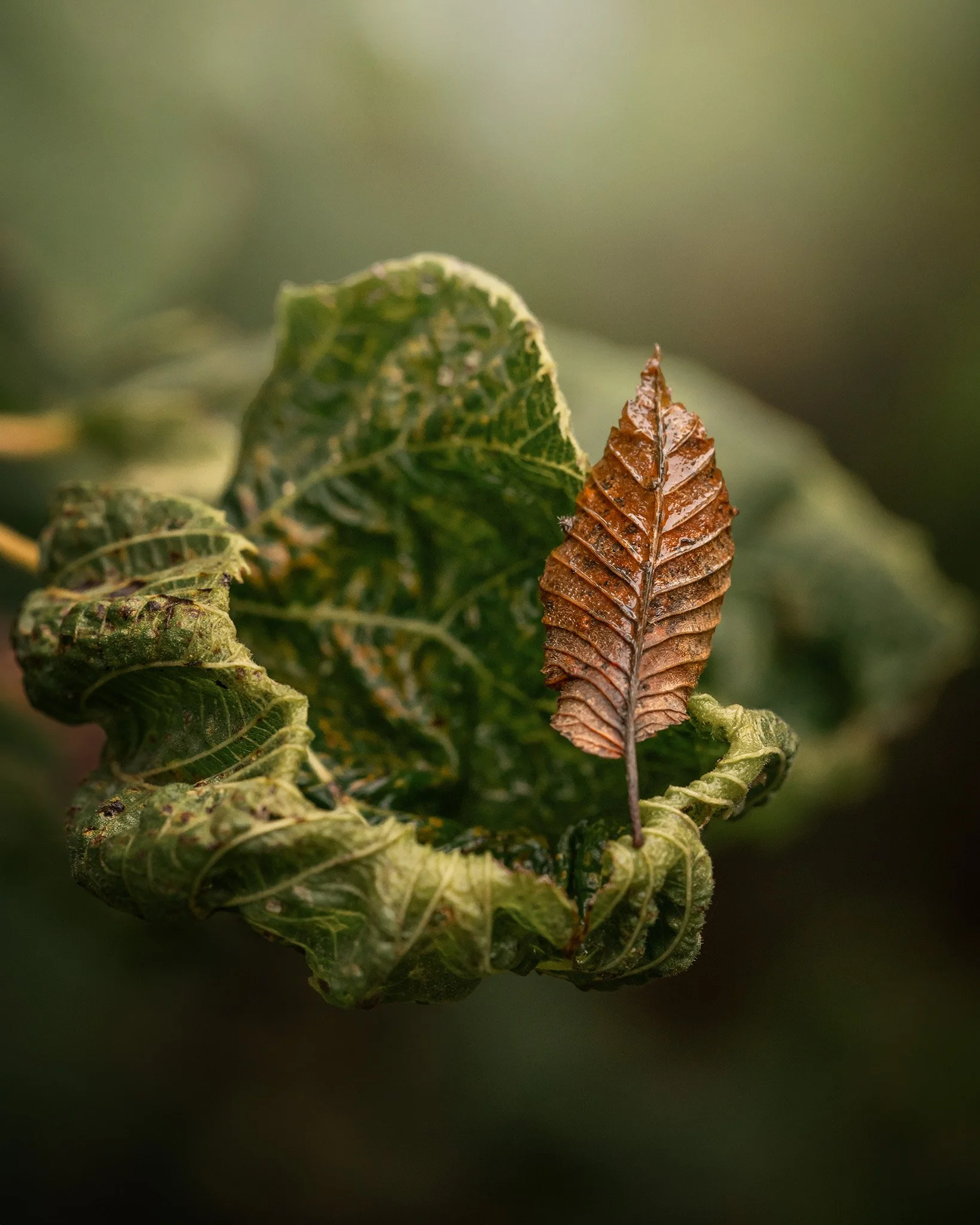
Photograph the Changing Season
One of my favorite things about photographing nature is noticing how quickly everything changes. Autumn makes those changes especially easy to see. Try returning to the same location several times throughout the season. It could be a favorite park, a trail, your backyard, an orchard, or even one beautiful tree you pass regularly. Pay attention to what changes.
The colors may become warmer. Leaves begin to fall. The light shifts. Plants dry and curl. Morning dew becomes frost. What looked completely ordinary a week ago may suddenly become the most interesting thing in front of your camera. You don't need to travel somewhere spectacular to create beautiful fall photography. Sometimes you simply need to notice what's happening around you.
Let Autumn Light Become Part of the Story
Light is always one of the first things I notice when I'm taking photos, and fall light has a personality all its own.
The lower angle of the sun can create beautiful warmth, long shadows, glowing edges, and gorgeous backlight. Golden hour can make already-warm autumn colors feel even richer. But don't overlook cloudy days. Soft, overcast light can be beautiful for both fall portraits and nature photography. Without strong highlights and shadows competing for attention, the colors themselves can become the focus.
And then there are those foggy autumn mornings. Fog can completely transform an ordinary location, simplifying a scene and creating softness, depth, and atmosphere.
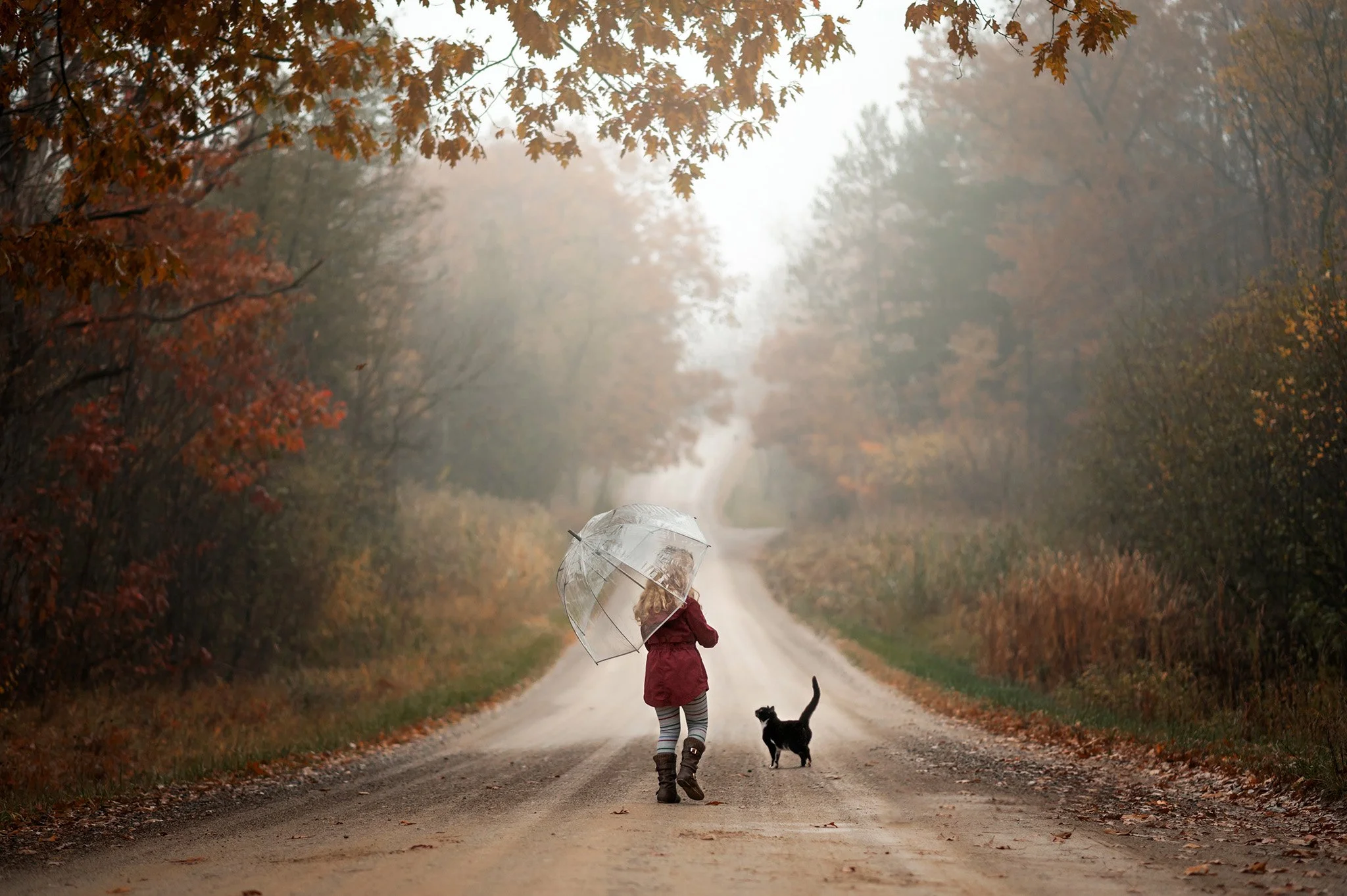
Instead of wishing for a different kind of light, look at the light you have and ask yourself what kind of photograph it wants to help you create. A bright sunny afternoon may call for bold color and contrast. An overcast day might feel calm and soft. Fog might make you want to create something mysterious or peaceful.
There isn't one kind of "perfect" fall light.
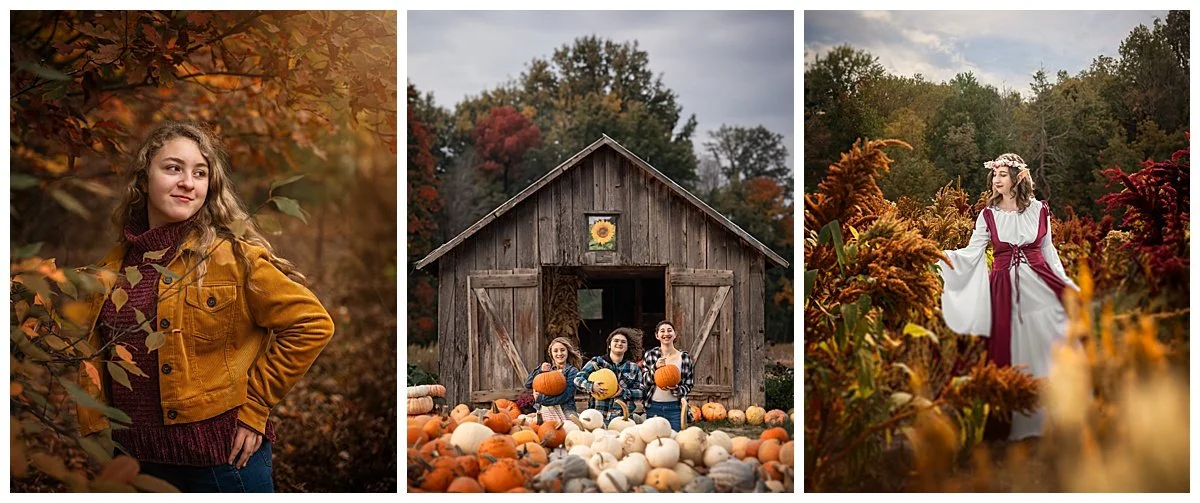
Fall Portraits Are More Than a Pretty Background
Fall is also one of my favorite seasons for portrait photography. Of course, colorful leaves makes a gorgeous backdrop, but I think the best fall portraits use the season as part of the story rather than simply placing someone in front of a colorful tree.
Look for ways to bring the environment into your frame. Photograph through leaves or branches to create layers. Let children play in fallen leaves instead of asking them to stand perfectly still. Use a winding trail to lead your eye toward your subject. Photograph someone walking through tall dried grasses or sitting beneath a tree.
Think about clothing colors, too. Earth tones, creams, rust, mustard, olive, burgundy, brown, and denim can all work beautifully with an autumn color palette. You can also use color intentionally by choosing clothing that either blends with the environment or creates contrast against it.
Most importantly, don't let the beautiful scenery become more important than the person you're photographing. The fall color should support the story, not overwhelm it.
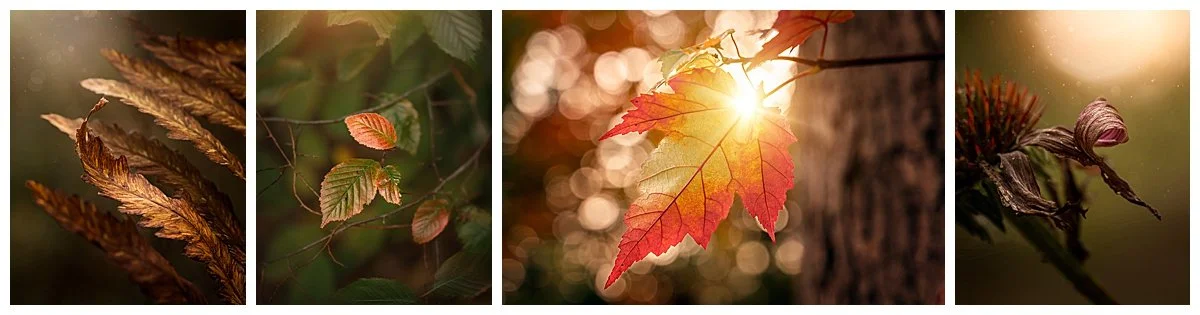
Don't Forget the Little Details
Some of my favorite fall photographs are the detail shots. This is where my love of macro and nature photography really comes into play.
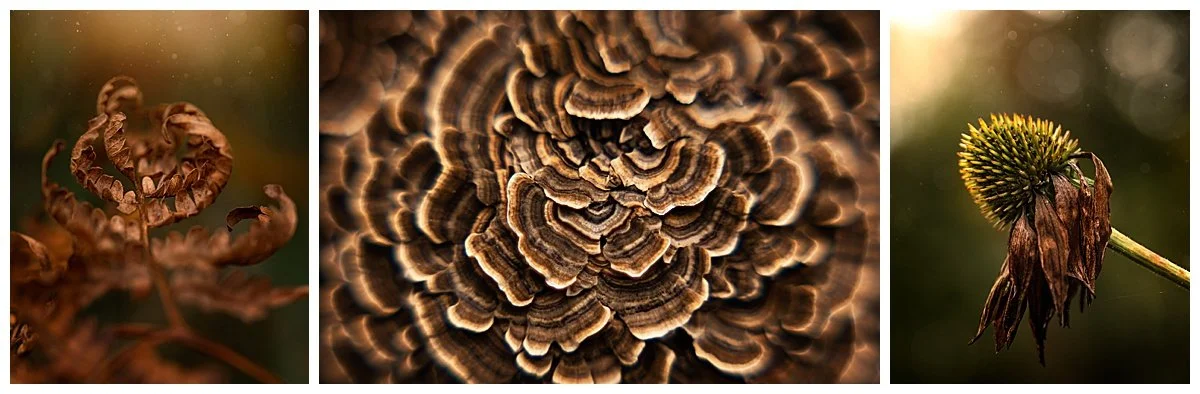
Look closely. You might find dew collected along the edge of a leaf, mushrooms growing beneath the trees, seeds catching the light, intricate veins in a fallen leaf, fading flowers, spiderwebs, acorns, pinecones, berries, bark, or layers of colorful leaves on the forest floor.
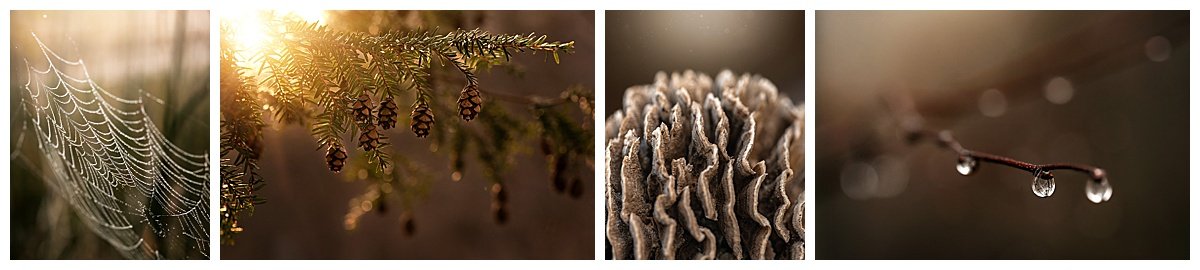
Photographing these details gives you a completely different perspective on the season. If you're creating a collection of images from a fall outing, try thinking like a storyteller. Capture the big scene, but then move closer. Photograph the landscape. Photograph the people. Photograph the details. Photograph the light.
Together, those images can tell a much richer story than any one photograph could on its own.
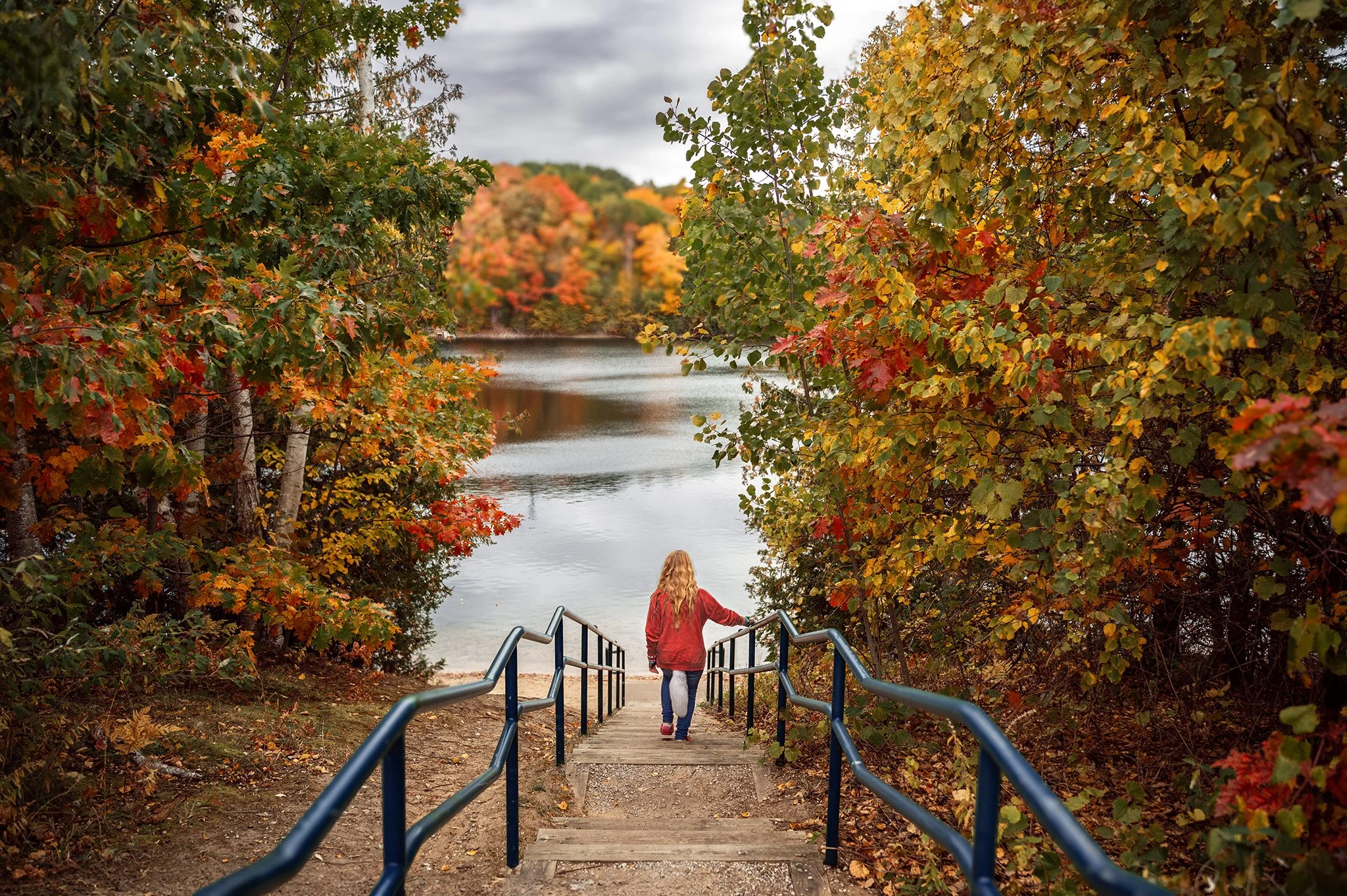
Use Color Intentionally
Autumn gives us one of nature's most recognizable color palettes. Instead of simply photographing every colorful thing you see, start paying attention to how those colors interact inside your frame.
Look for combinations of yellow and purple, orange and blue, or red against deep greens. Or create an image almost entirely from neighboring warm colors like yellow, orange, and red.
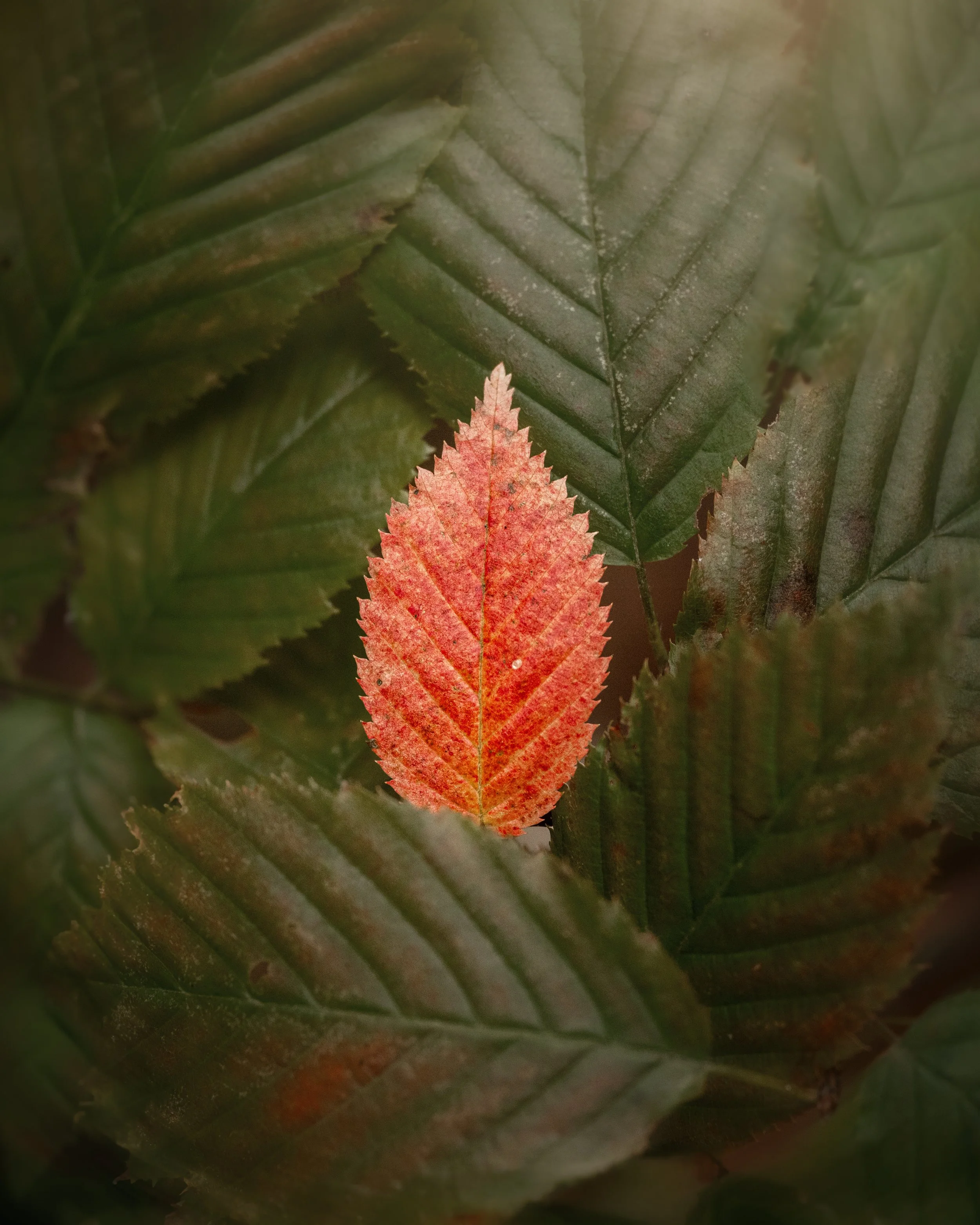
You can also simplify. A single colorful leaf against a neutral background can be just as powerful as an entire forest at peak color. Sometimes giving one color room to breathe makes it even stronger.
Embrace the Imperfect Parts of the Season
I think photographers sometimes put a lot of pressure on themselves to catch autumn at exactly the right moment. We watch fall color maps. We wait for peak color. We worry that we missed it. But photography doesn't have to be about documenting autumn at its most perfect. There is beauty before peak color and after it.
There is beauty in curled leaves, bare branches, dried flowers, rainy afternoons, muddy trails, and the first frost.
Those things are part of autumn, too.
Allow yourself to photograph the season as it actually looks instead of waiting for it to look the way you imagined. You might be surprised by what you find.
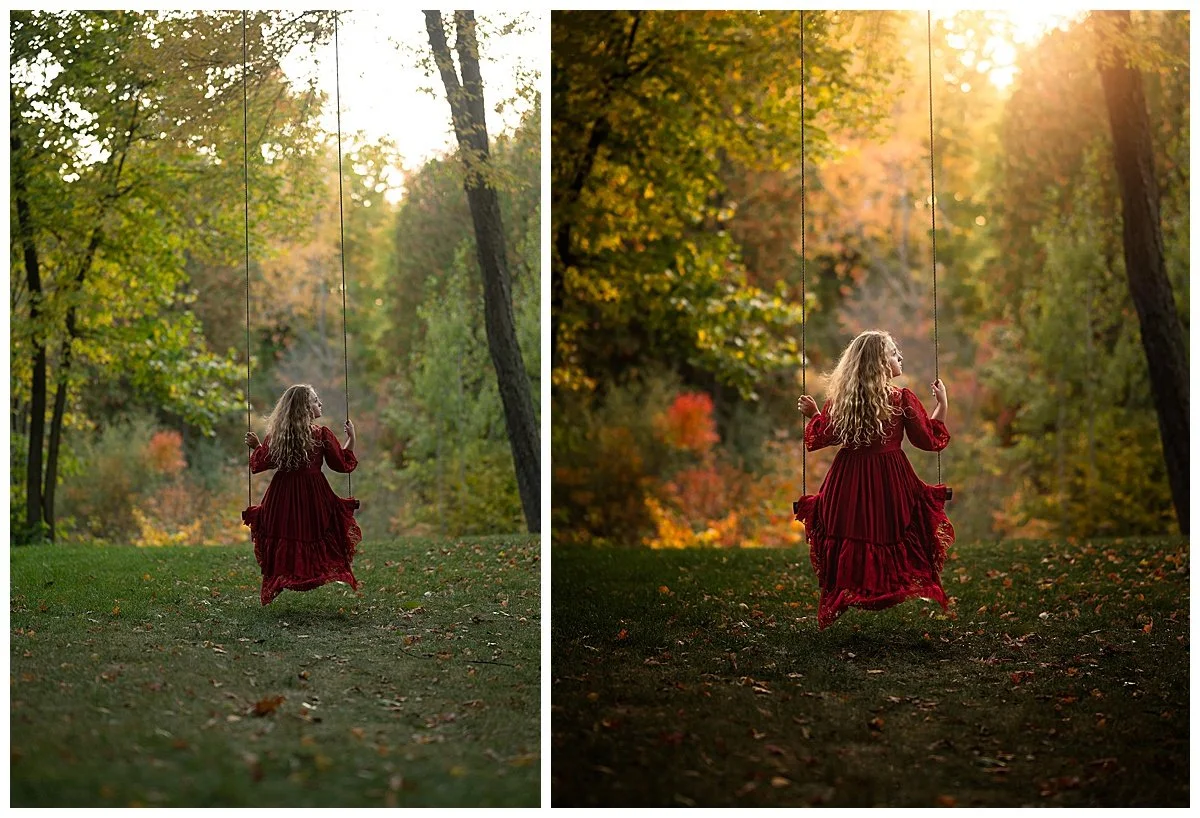
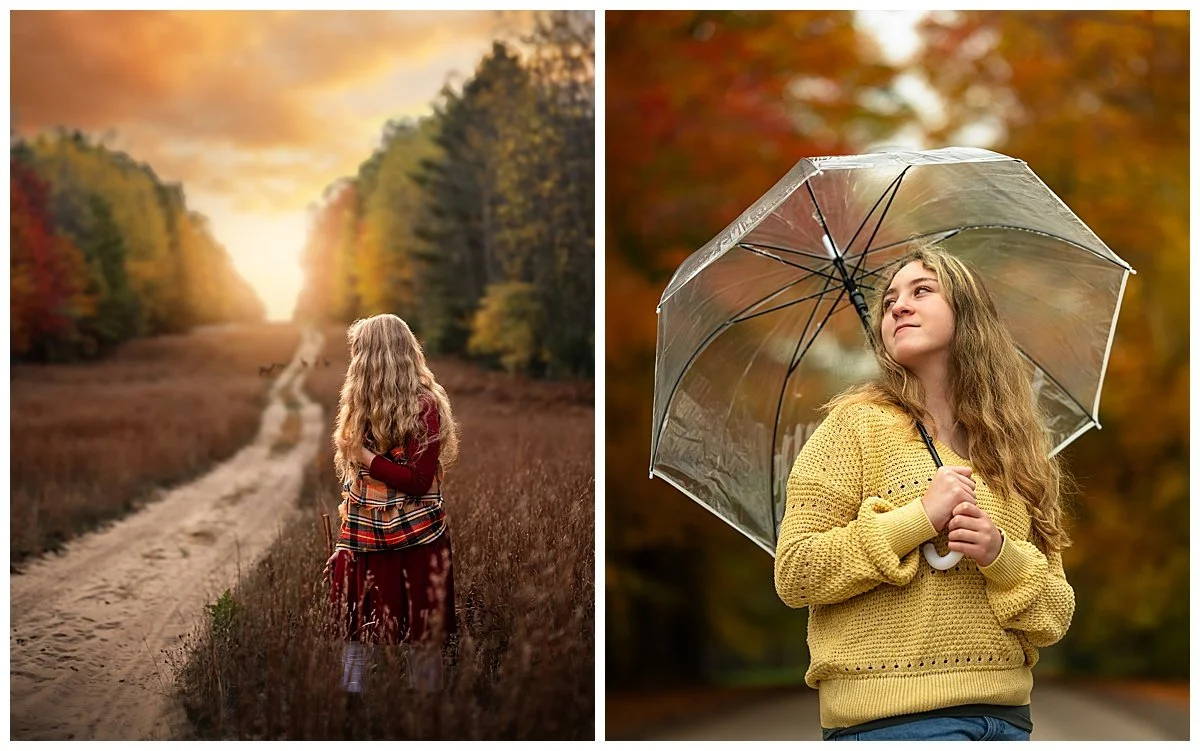
Left: Unedited Image, Right: Edited with “Golden Autumn” preset from the Autumn Glory Preset & Overlay Collection
Editing Fall Photos Without Losing What Made Them Beautiful
Once I get my fall images onto my computer, my goal with editing is pretty simple: I want to enhance what was already there.
Autumn color can be tempting to push too far. It is very easy to keep increasing saturation until oranges become neon and greens turn unnaturally yellow. I prefer an edit that keeps the image feeling natural while enhancing the warmth, color, light, and atmosphere that made me stop and take the photograph in the first place.
I usually start by paying attention to exposure and white balance, then work with contrast, shadows, highlights, and individual colors. Sometimes an image needs a little warmth. Sometimes the colors need help coming forward. Other times, the best thing I can do is actually pull things back and let the light do the work.
Consistency is another reason I love working with presets, especially when I'm editing a large group of images from the same season or session.
I created my Autumn Glory Preset & Overlay Collection specifically for the way I love to edit fall images. The collection includes six Lightroom Classic/ACR presets, mobile presets, brushes/masks for more targeted adjustments, light and tone overlays, a fog overlay, and 3 full editing tutorials.
I use them as a starting point rather than a finish line. A preset gives me a beautiful base and helps keep my colors and overall style consistent, and then I can adjust the image based on its individual light, subject, and mood.
That's really what I want from any editing tool: something that makes the process easier with the end result looking consistent with my style and voice.
Explore the Autumn Glory Preset & Overlay Collection
Photograph Fall Your Way
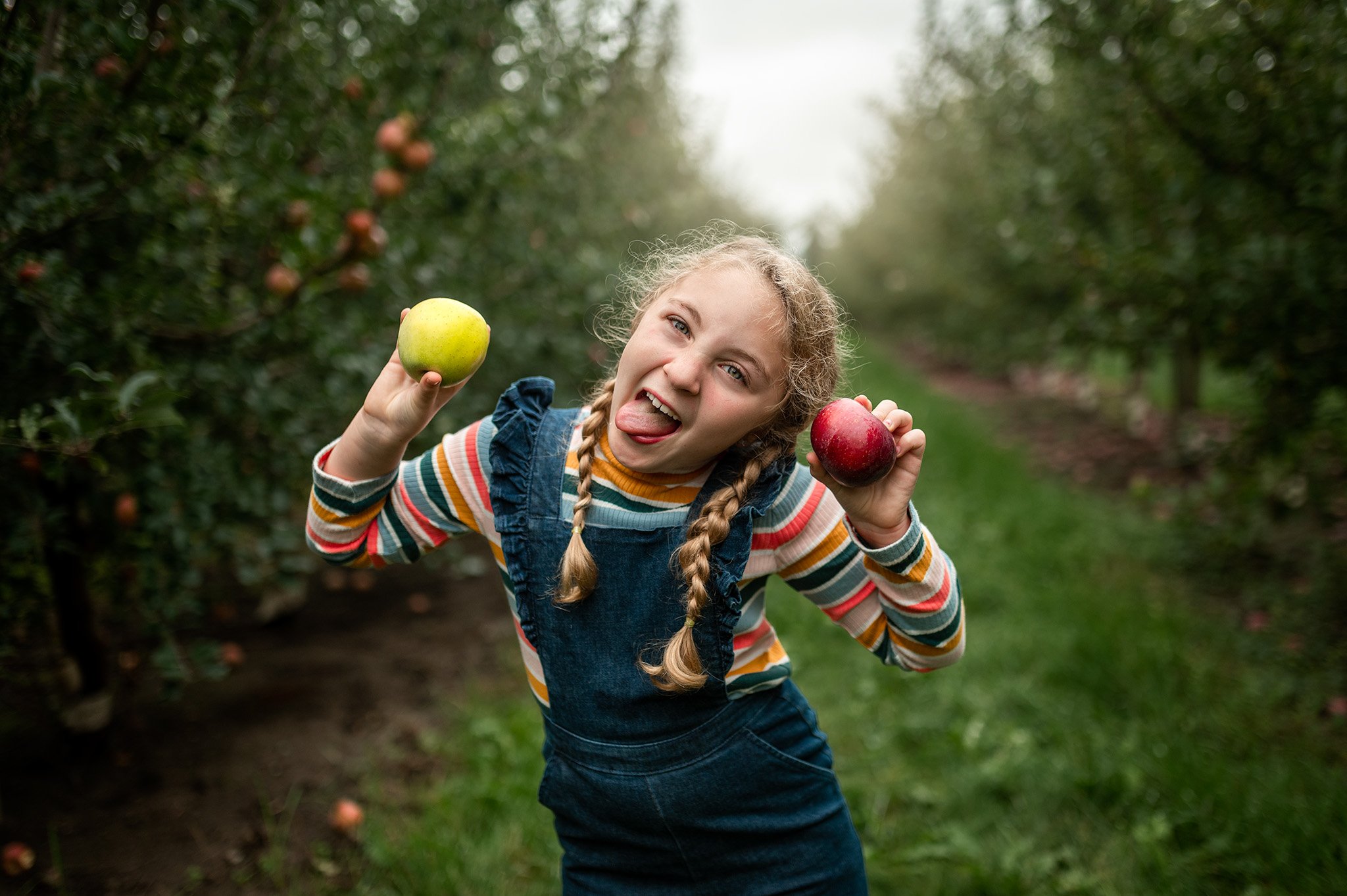
There are endless lists of fall photography ideas online. Pumpkin patches. Apple orchards. Colorful trees. Leaves. Cozy sweaters. Golden hour. And they're all wonderful things to photograph. But the photographs that will mean the most to you aren't necessarily going to come from checking everything off a fall photography bucket list. They'll come from noticing real life changing all around you.
Notice the way the light hits one particular tree in the evening. Notice the leaves collecting around your child's boots. Notice the fog outside your window. Notice that one stubborn flower still blooming long after everything around it has started fading. Notice how the season feels. Then photograph that.
Autumn doesn't last very long, which might be exactly why so many of us love it so much. So grab your camera, head outside, and enjoy it while it's here.