Finding Stories in the Everyday: A Simple Guide to Street Photography | by Sarah VanHook
Street photography isn’t just about dramatic cityscapes or famous landmarks. At its heart, it’s about noticing small, honest moments in everyday life—people crossing the street, friends laughing at a café, light hitting a wall just right. It’s the art of paying attention, and the good news is that you don’t need to live in a big city or own fancy gear to start.
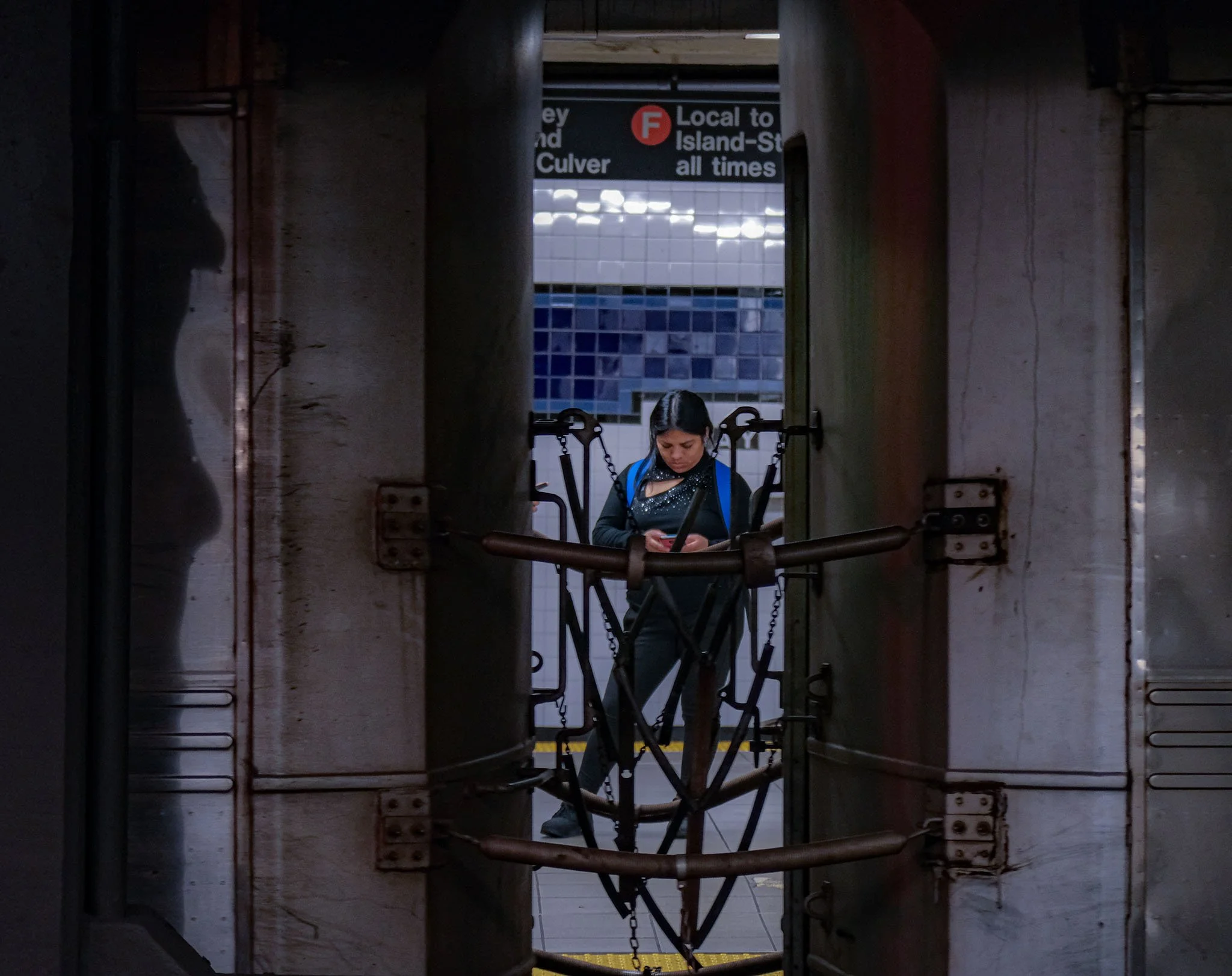
1. What Is Street Photography (and Why It Matters)
Street photography is simply candid photography in public spaces. That might mean a busy downtown, a quiet side street, or even your local grocery store parking lot. The goal isn’t perfection—it’s storytelling. You’re capturing little slices of life as they unfold naturally.
What makes it special is that anyone, anywhere, can do it. You don’t need models or a studio. You just need curiosity and a willingness to look a little closer at the world around you.
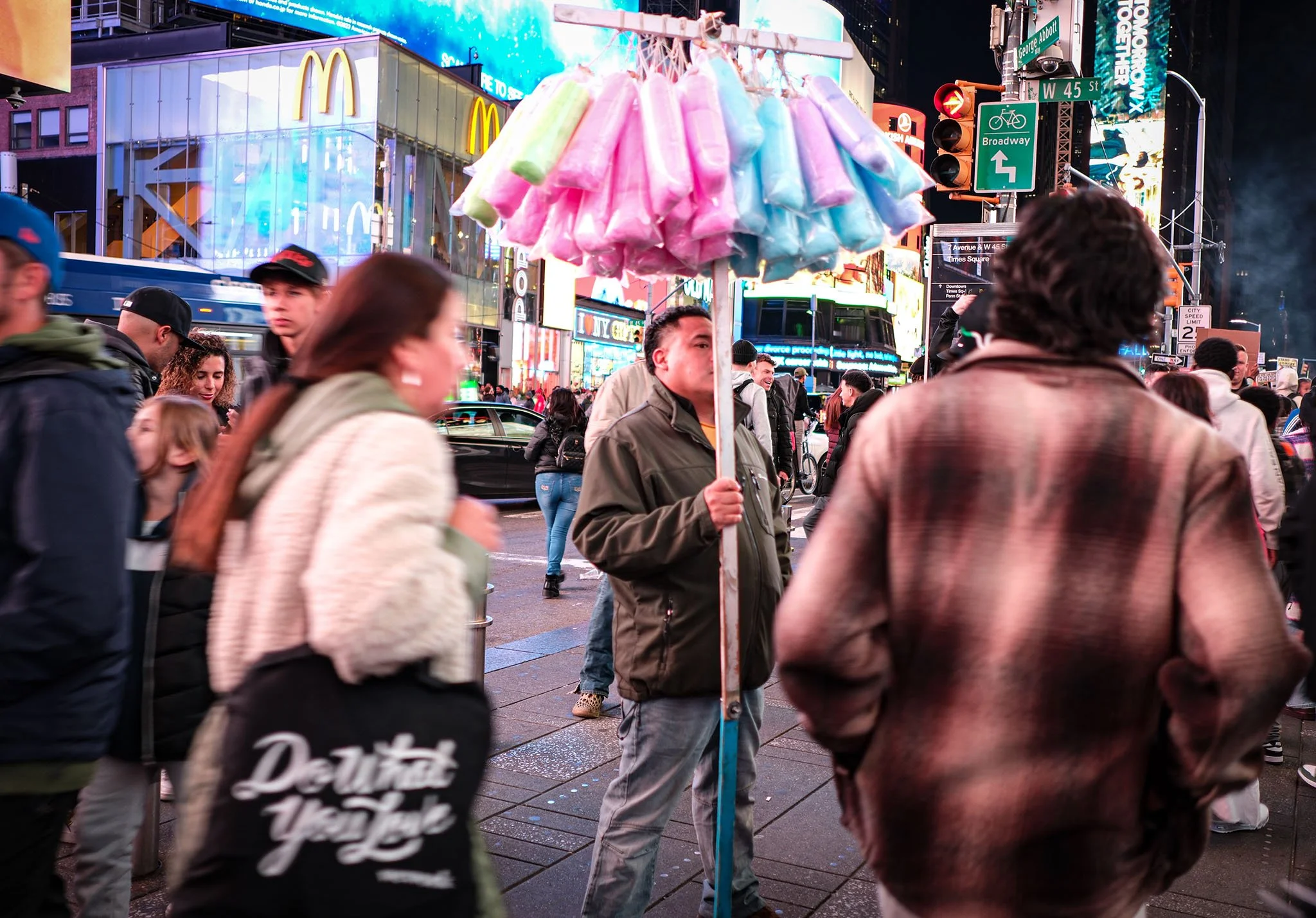
2. Choosing Your Location: Big Cities and Small Towns
Big cities are full of obvious opportunities: crowded sidewalks, subway stations, street markets, and constant motion. Look for busy corners, crosswalks, and transit hubs where interesting interactions naturally happen.
But small towns and quieter neighborhoods are just as rich in stories. A main street with a few shops, a local diner, or a weekend farmers market can be perfect. Instead of constantly walking, try “fishing” a scene: pick a spot with good light or an interesting backdrop, and wait for the right person or moment to appear.
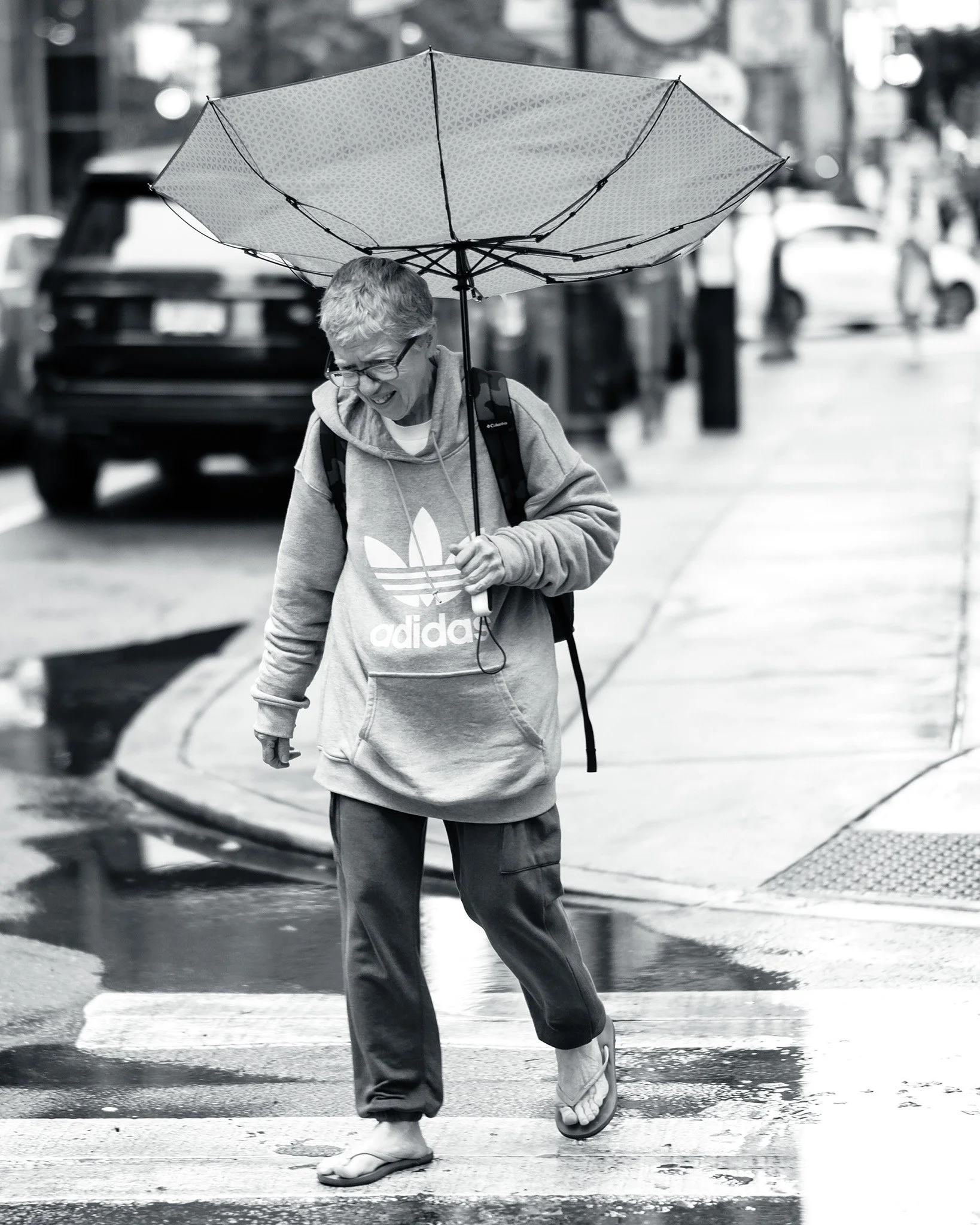
3. Light, Layers, and Backgrounds
If you want your photos to stand out, start paying closer attention to light. Notice how it creates shadows across the sidewalk or highlights a person’s face. Early morning and late afternoon often give you softer, more interesting light, but you can find great moments any time of day.
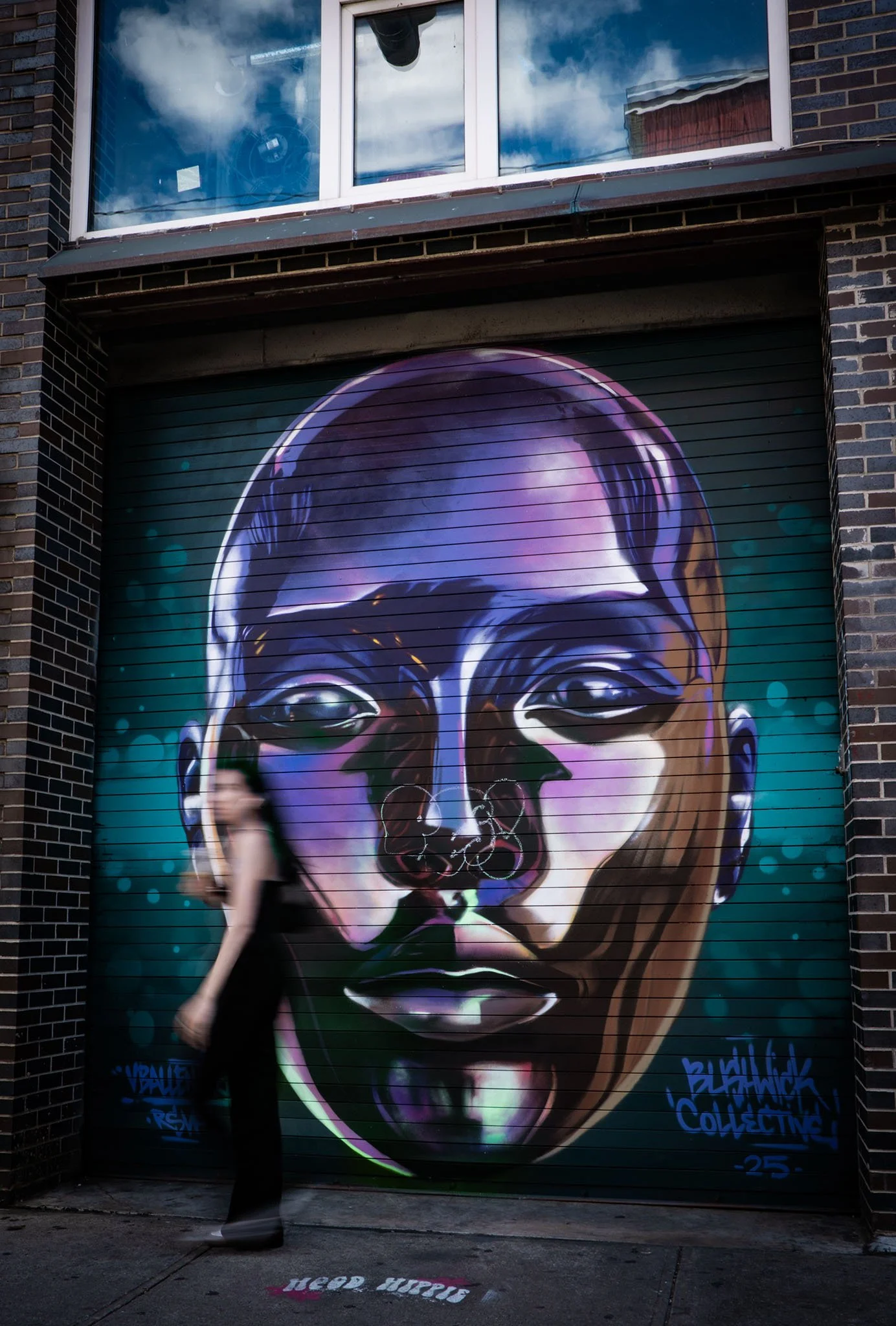
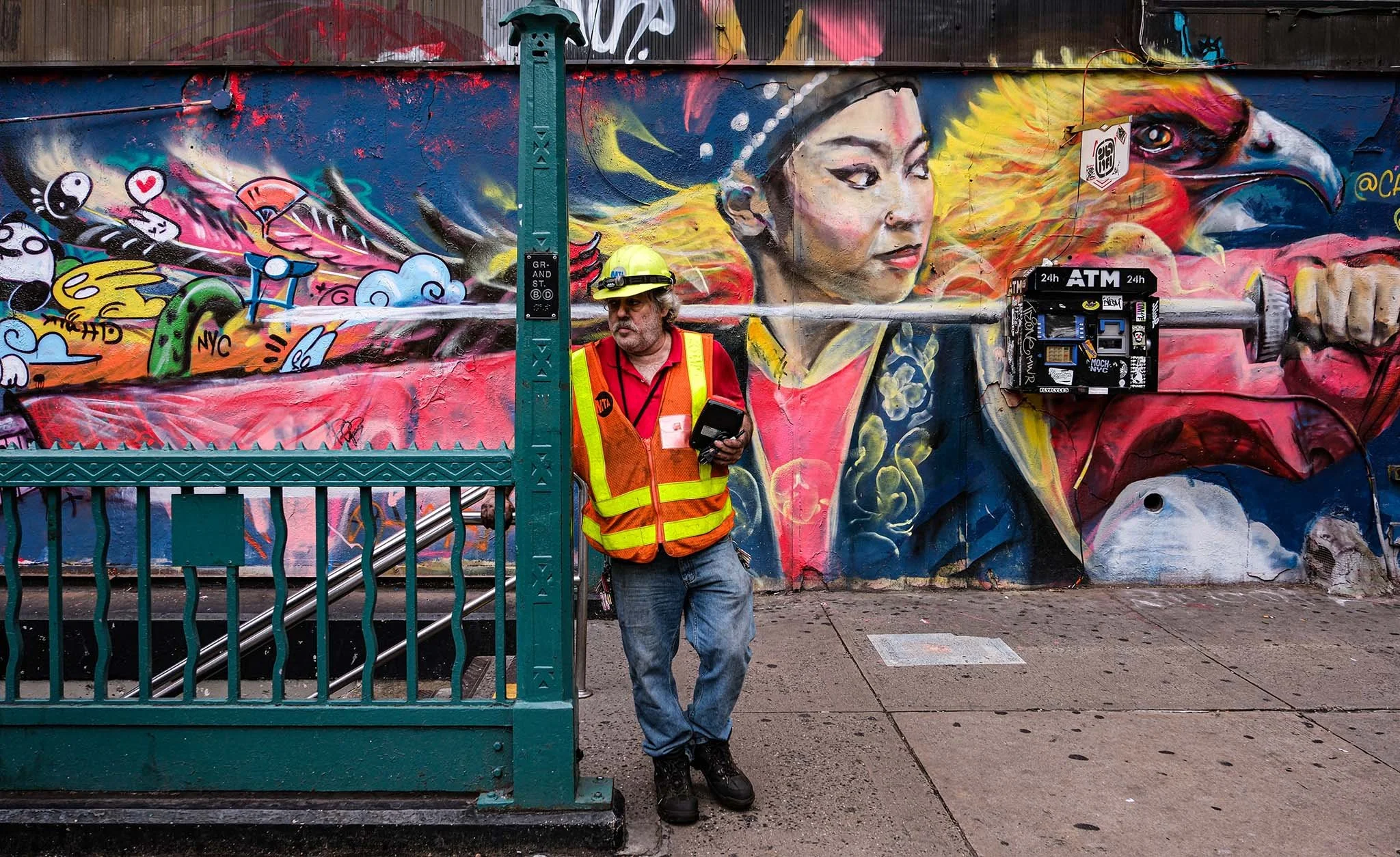
Backgrounds matter too. Murals, colorful storefronts, and bold signage make fantastic backdrops. Try creating depth by including foreground elements—like cars, poles, or other people—so your image has layers instead of feeling flat.
4. Gear That Gets Out of the Way
You don’t need a huge camera bag to do street photography well. In fact, simpler is often better. One camera and one lens is usually plenty. A small, discreet setup helps you blend in and feel more comfortable shooting in public.
The unglamorous stuff matters, too: a spare battery, an extra memory card, and comfortable shoes will keep you out shooting longer. The best gear is the gear that lets you focus on the moment instead of fiddling with equipment.
5. Confidence, Courtesy, and Practice
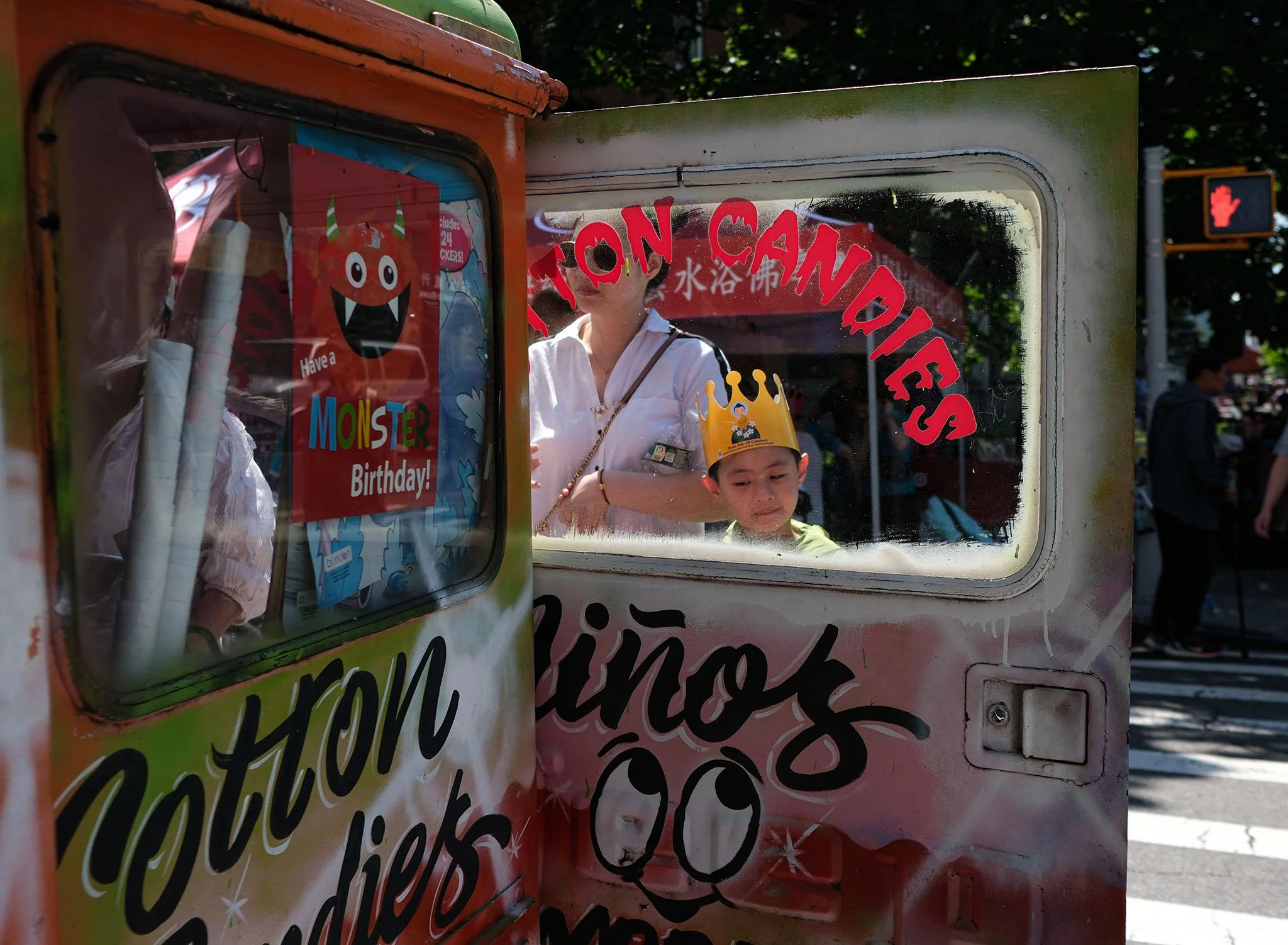
Being in public with a camera can feel intimidating at first, and that’s completely normal. The more you practice, the more natural it will feel. Move with purpose, be respectful, and remember that most people are just going about their day.
If someone notices you, a smile and a quick explanation can go a long way. Be kind, be open, and if someone seems uncomfortable, it’s okay to lower your camera and move on.
Above all, keep shooting. Not every photo will be a winner—and that’s part of the process. The more you practice seeing light, moments, and stories, the more your images will grow. Street photography is really just an invitation to look closer at the world you’re already walking through every day.
Want to learn more about Street Photography? Check out my brand new course, “First Steps in Street Photography: From Nervous to Confident”!