How to Photograph Teens and Preteens: Practical Tips for Natural, Confident Photos
12 Teen & Preteen Photography Tips That Actually Work
Photographing teens and preteens is different than photographing little kids. They’re more aware of the camera, more protective of their space, and a lot more likely to shut down if they feel controlled. The good news is you don’t need complicated posing systems to get great images.
Whether you’re photographing your own kids or working with clients, the best teen photography sessions are usually the ones that feel fast, respectful, and real.
Here are practical, field-tested tips that make photographing tweens and teens easier and your final gallery stronger.
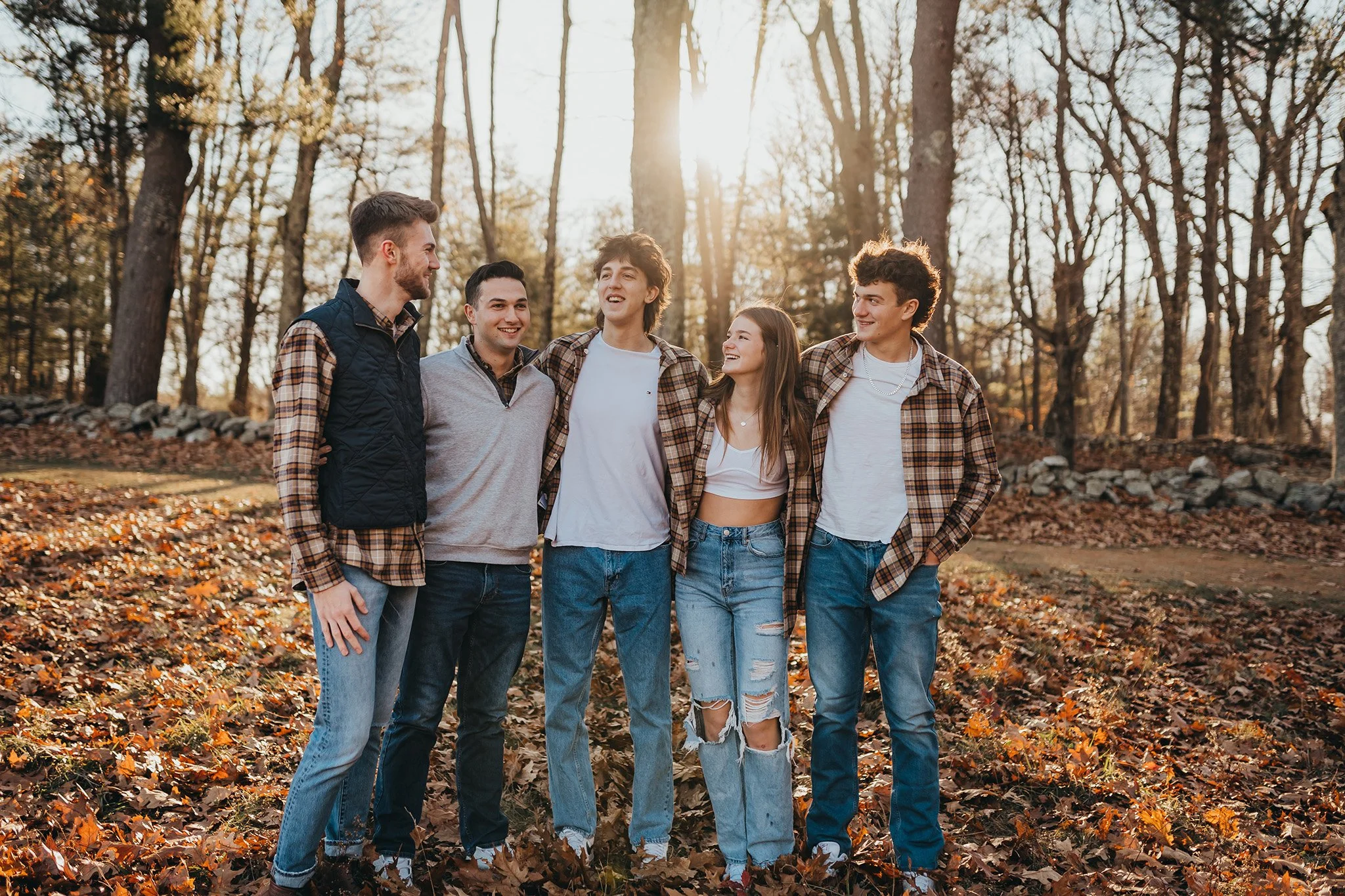
Image by Melissa Ortendahl
1) Keep it quick, and tell them the plan
Teens don’t love uncertainty. If they think they’re about to be stuck posing forever, you’ll feel the tension immediately.
Try this:
“We’ll do this in 15 minutes.”
“I only need a few solid shots and then we’re done.”
“You don’t have to ‘perform.’ I’ll direct you and we’ll keep moving.”
Short sessions tend to produce better expressions, less resistance, and less burnout for everyone.

Image by Holly Awwad
2) Treat them like adults (because they want to be)
This is one of the fastest ways to get cooperation. Speak to them directly, not through their parent. Don’t talk down to them. Don’t overhype everything.
What helps:
Ask their opinion: “Do you like this spot or that spot?”
Give them options: “Walking shot or sitting shot?”
Mirror their energy: calm if they’re quiet, playful if they’re playful
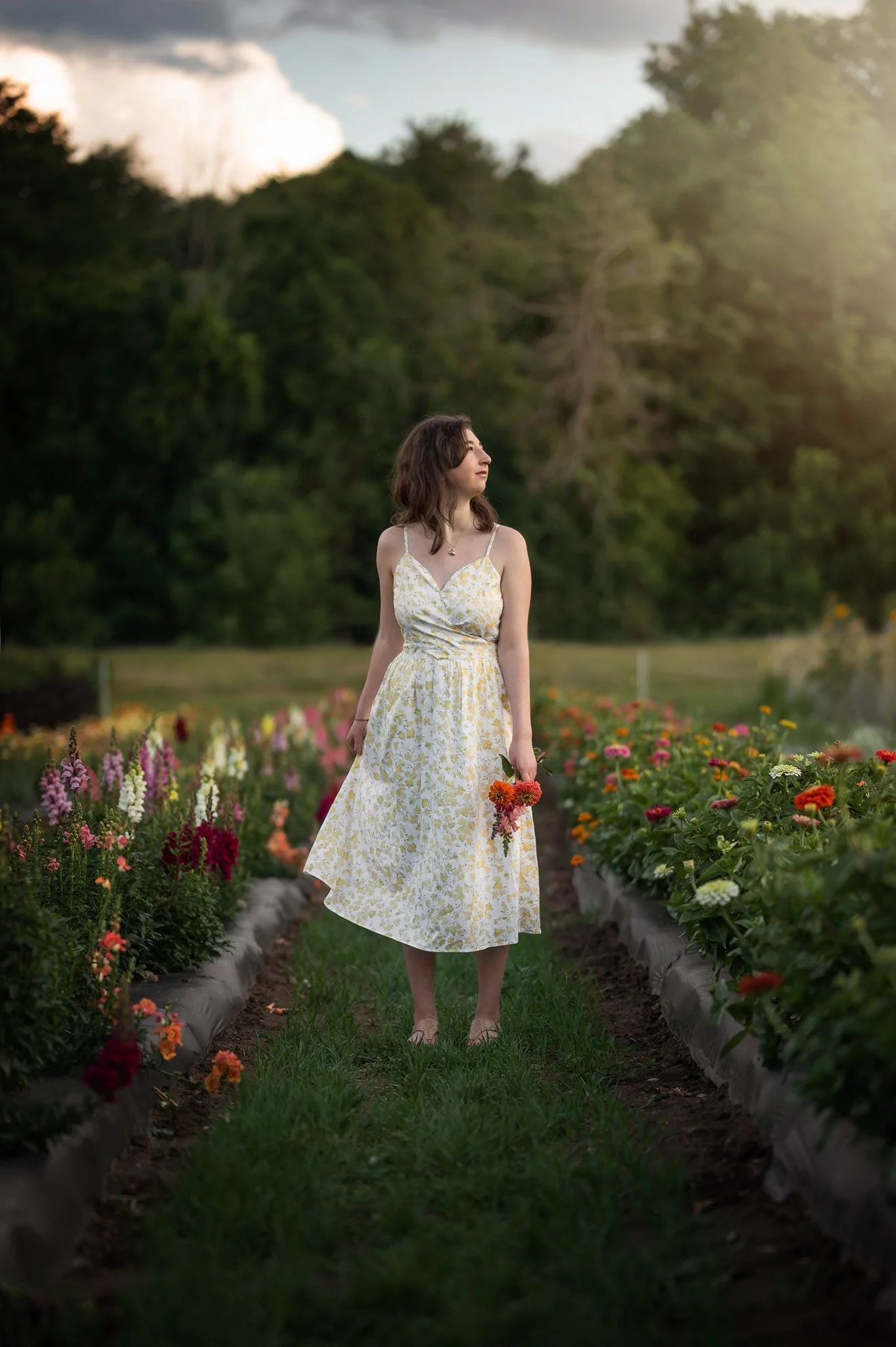
Image by Holly Awwad
3) Don’t “pose” them… direct them
Teens tend to hate stiff posing because it feels unnatural and puts them on display.
Instead of “Put your hand here, tilt your head, smile,” use direction-based prompts:
“Walk toward me and look off to the side.”
“Lean on the railing and take a breath.”
“Look at your sibling and react to whatever they say.”
“Fix your hair / adjust your hoodie / zip your jacket slowly.”
This keeps hands busy and gives them something to do, which creates natural expressions.
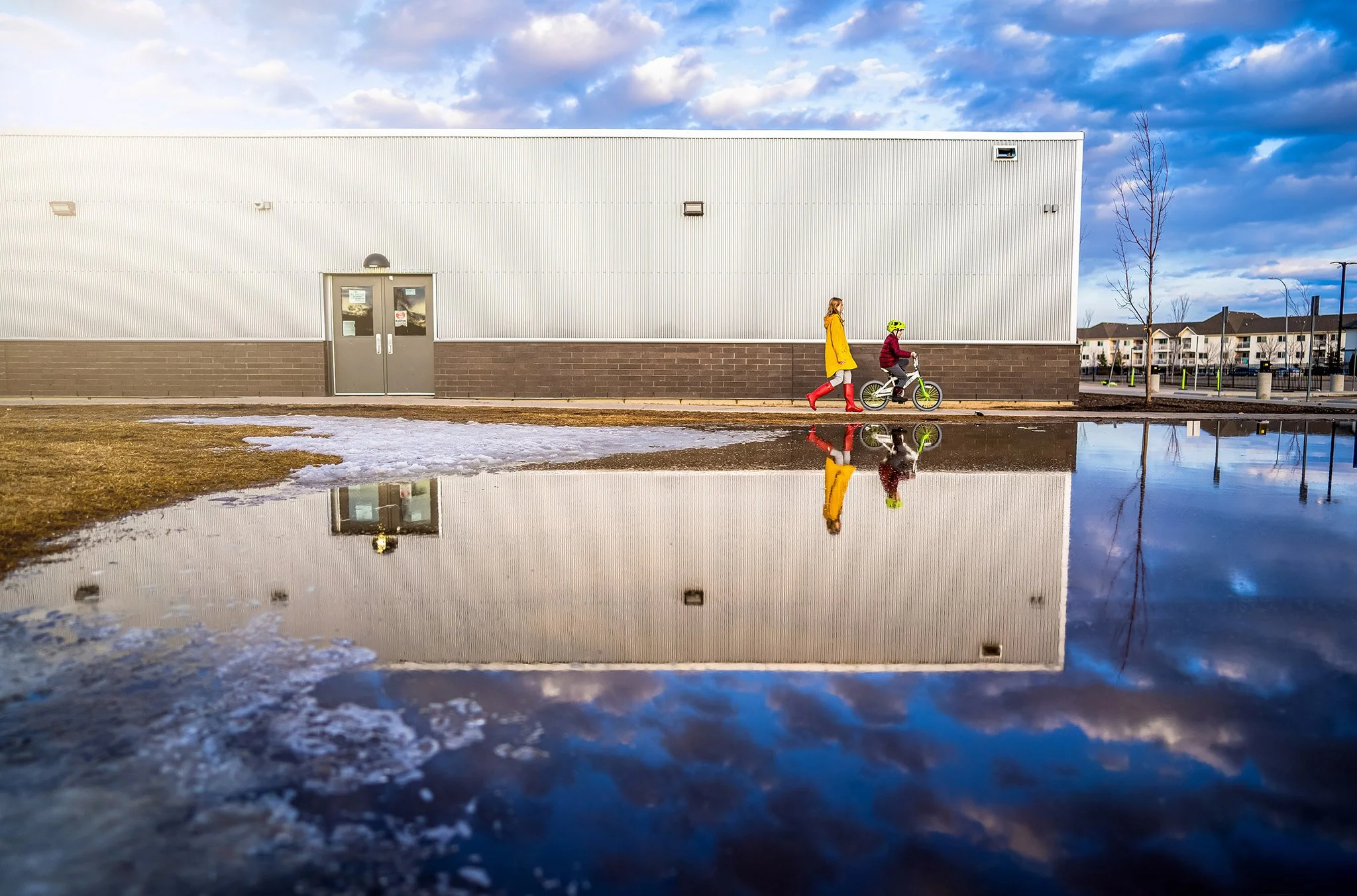
Image by Melissa Richard
4) Respect physical boundaries
A big reason teens look uncomfortable in photos is because we ask for closeness or touch that feels weird to them in that stage.
Try this instead:
“Get close without touching.”
“Shoulder-to-shoulder with a tiny gap.”
“Stand in a triangle, not a line.”
For siblings: “Walk together” beats “hug each other” almost every time
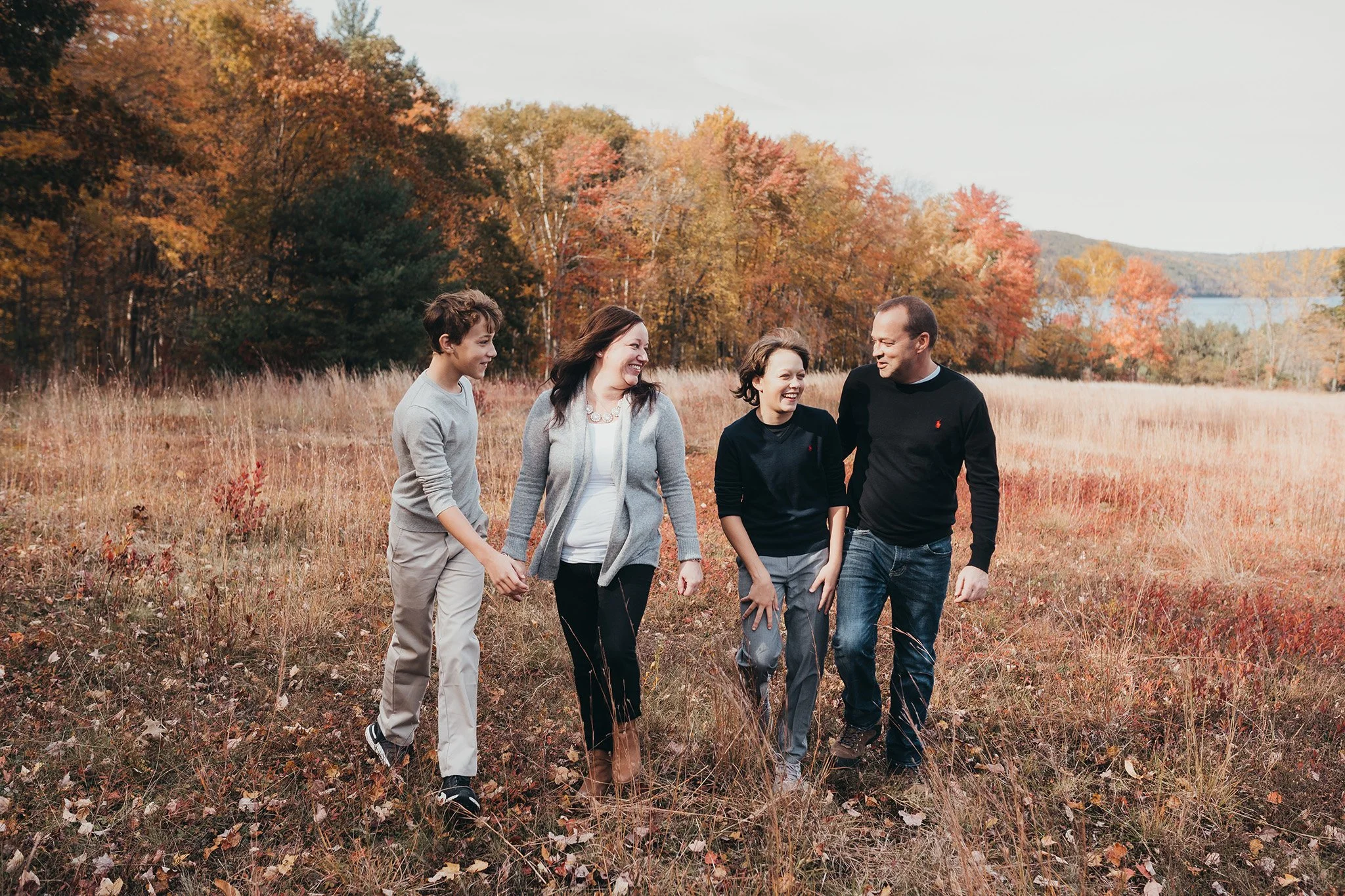
Image by Melissa Ortendahl
5) Get them 1:1 for the best portraits
Even confident teens can feel self-conscious if their family or other people are watching.
If you can, pull them aside for just a minute:
You’ll get better eye contact
Their body language relaxes
You can talk while you shoot and keep it casual
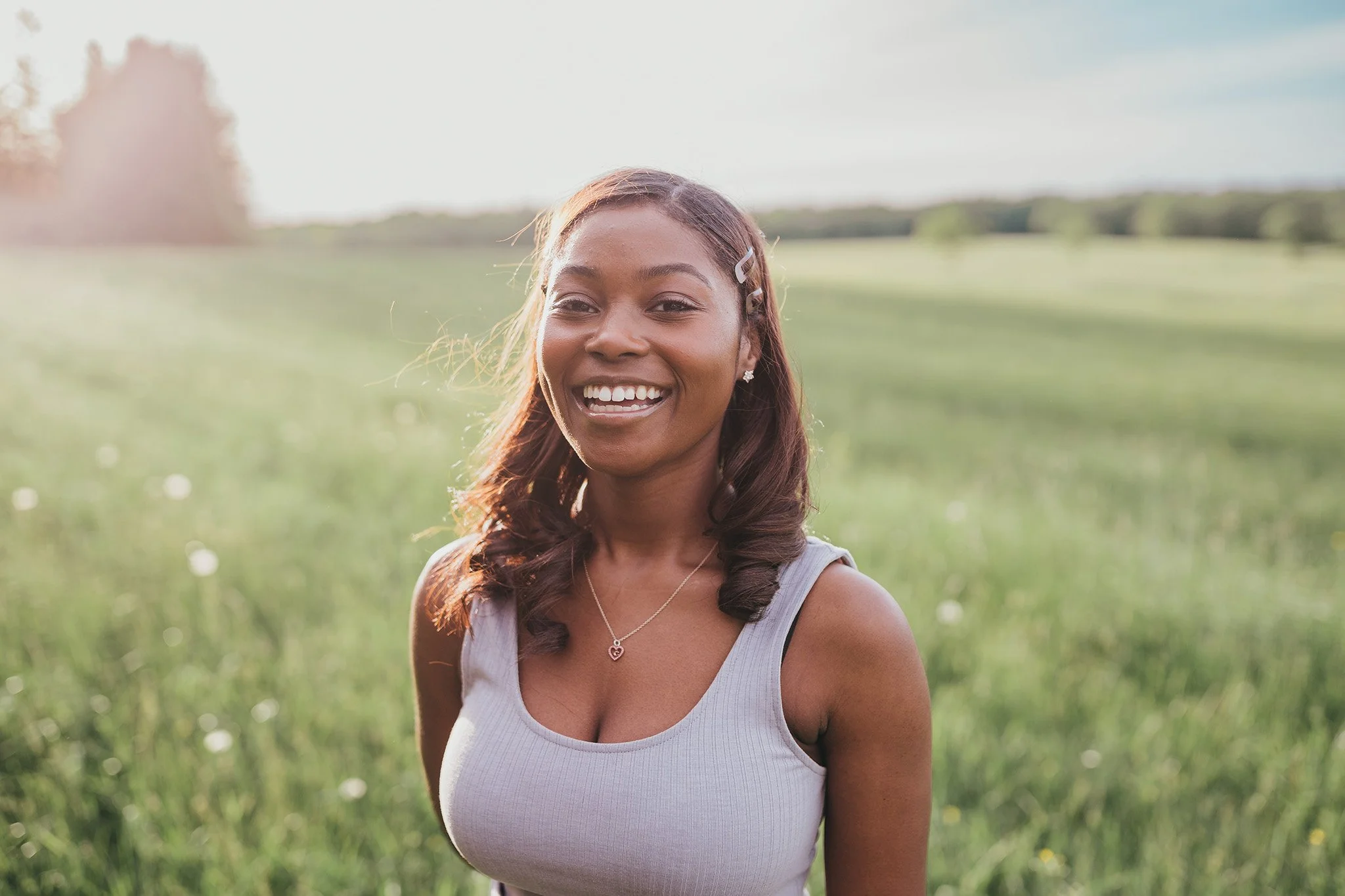
Image by Melissa Ortendahl
6) Let them choose what they wear (with light guidance)
Outfit fights ruin sessions before they start. Comfort wins.
A simple approach:
Give a color palette or a “vibe” (neutral, earthy, sporty, classic)
Suggest avoiding big logos if possible
Let the teen choose within those loose guidelines
When they feel like themselves, it shows in the photos.
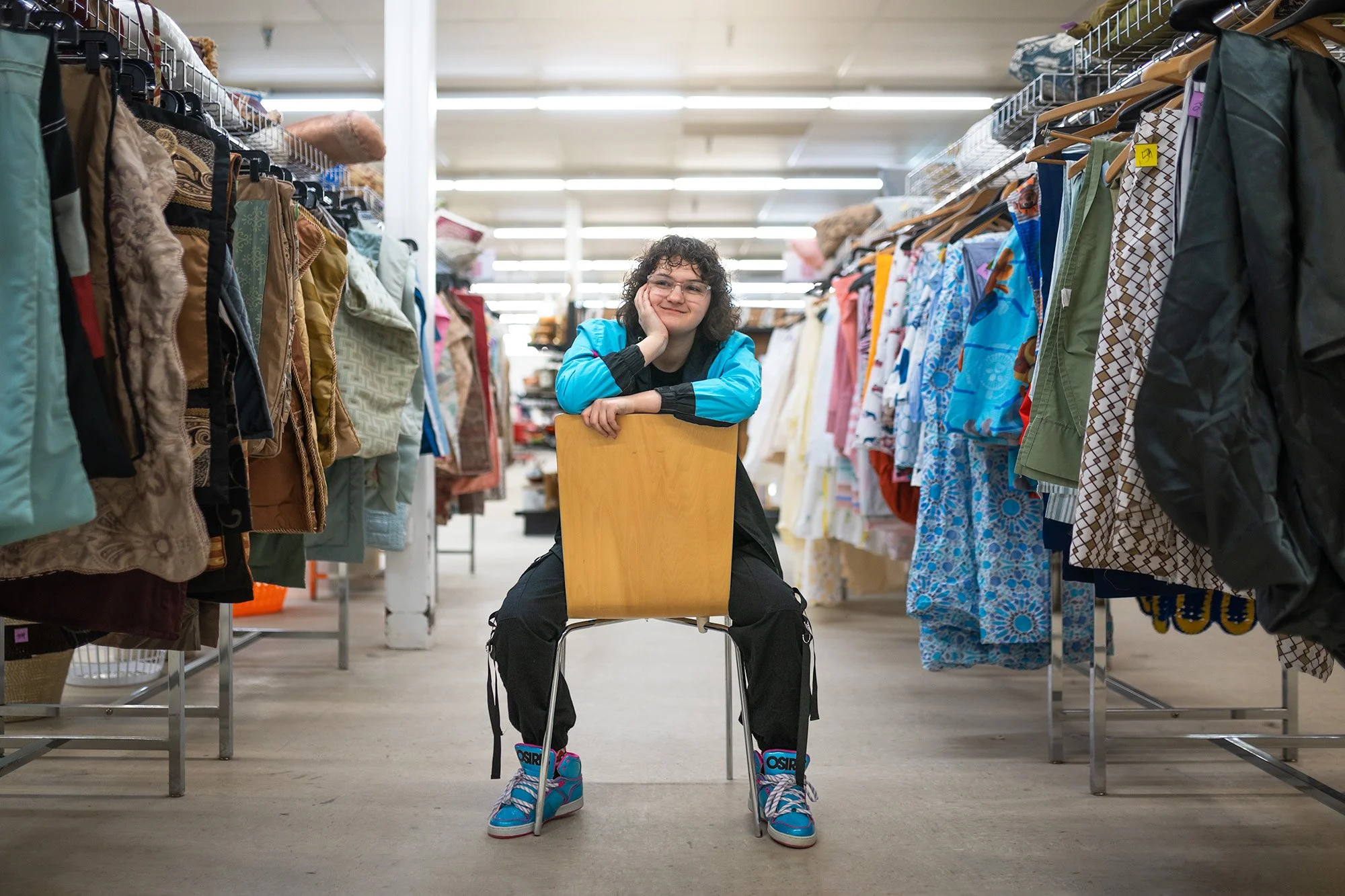
Image by Holly Awwad
7) Photograph what they actually like doing
This is the cheat code for natural teen photos.
Instead of building a session around “posing,” build it around their interests:
Sports, instruments, skateboarding
Reading, drawing, cooking
Walking the dog, hanging with friends (where appropriate)
Even simple “day in the life” moments at home
The camera becomes secondary, and expression becomes real.
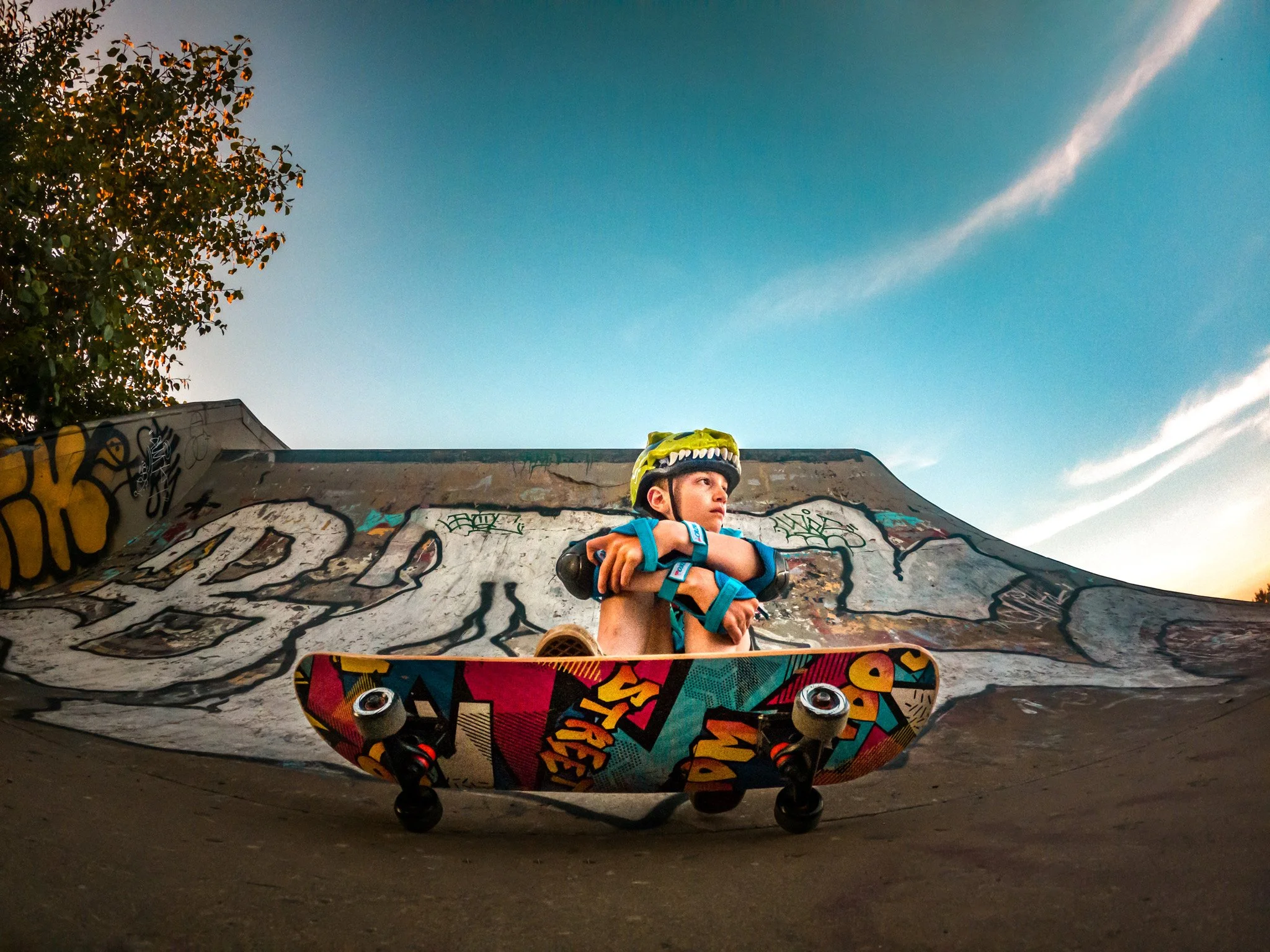
Image by Melissa Richard
8) Embrace the “moody” portraits
Some of the strongest teen images aren’t happy-smiley.
Let the vibe be what it is:
Quiet
Thoughtful
Intense
In-between
Moody portraits often feel more honest—and teens usually like them more because they feel accurate.
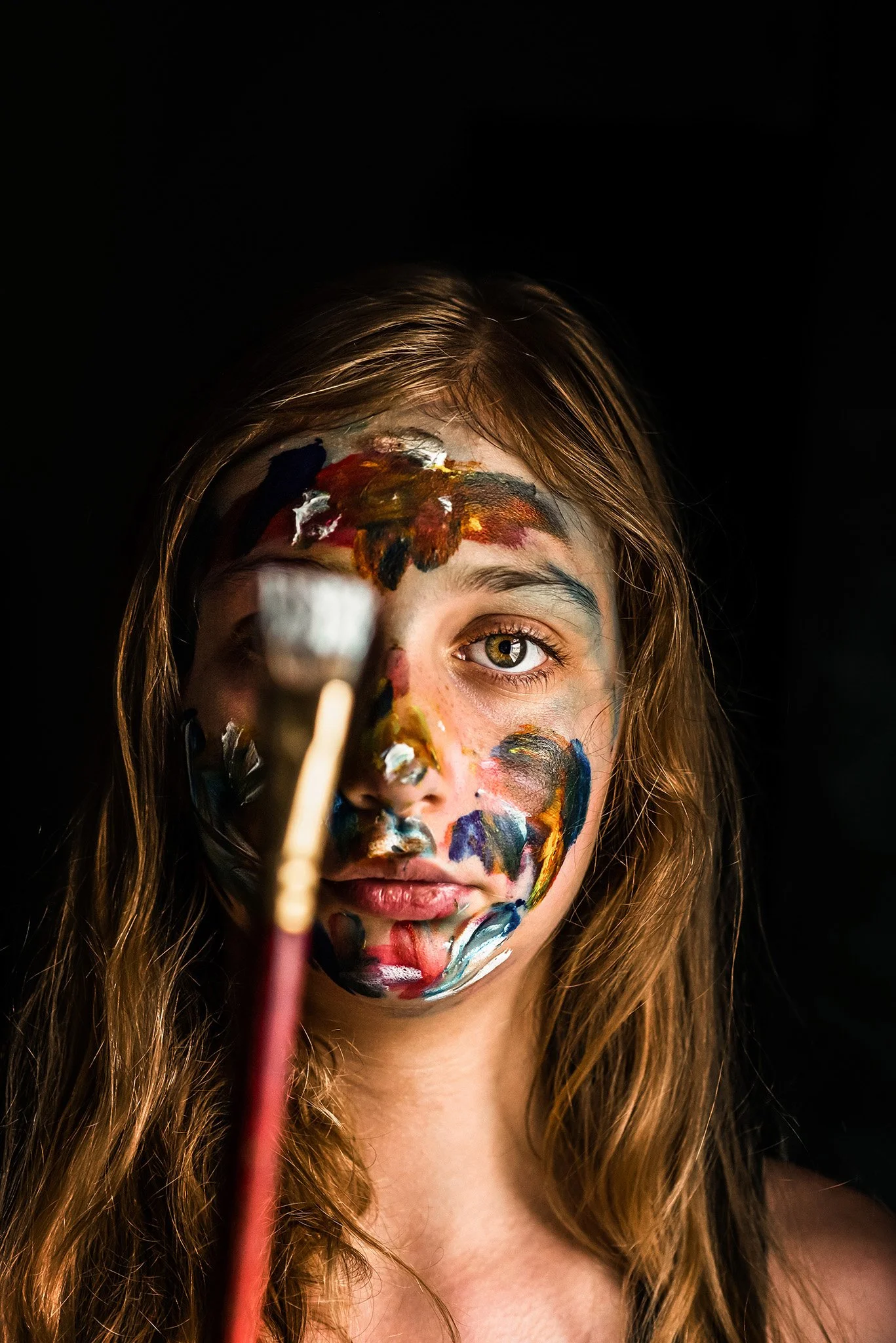
Image by Melissa Richard
9) Use movement to avoid stiffness
If you’re stuck, move.
Ideas:
Walking shots (easy, flattering, natural)
Spinning, running, hopping, biking
Tossing a ball, playing catch
Panning or motion blur shots for something creative
Movement reduces overthinking and gives you genuine expressions quickly.
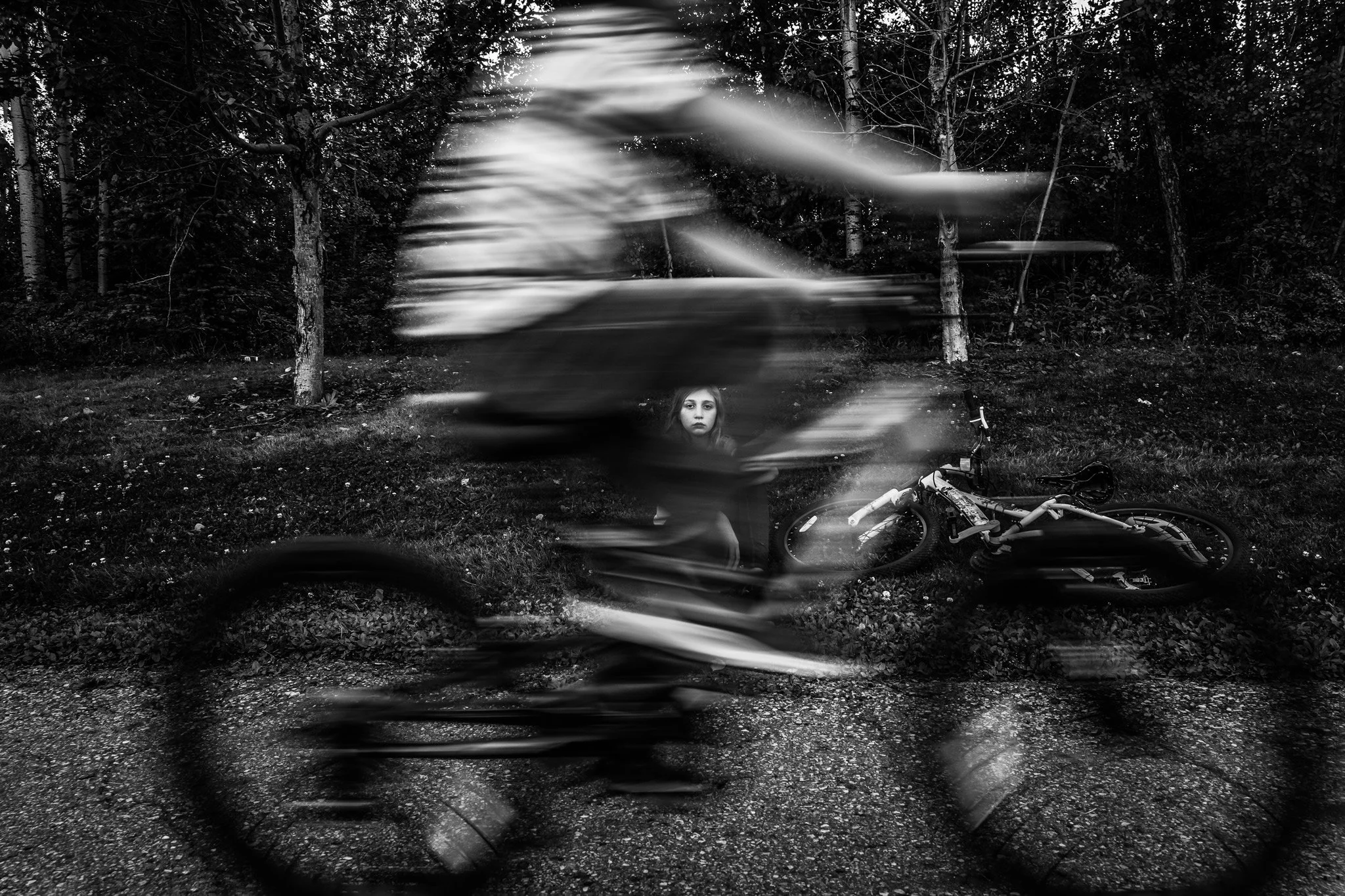
Image by Melissa Richard
10) Set expectations with parents (if you’re shooting clients)
A teen session can fall apart if a parent narrates the whole shoot:
“Smile.” “Stand up straight.” “Stop doing that.”
If you’re working professionally, it helps to say ahead of time:
You’ll direct the teen directly
You want parents to stay relaxed
The goal is connection, not performance
No negative comments about appearance during the session (ever)
That one boundary alone can change the entire tone of a session.
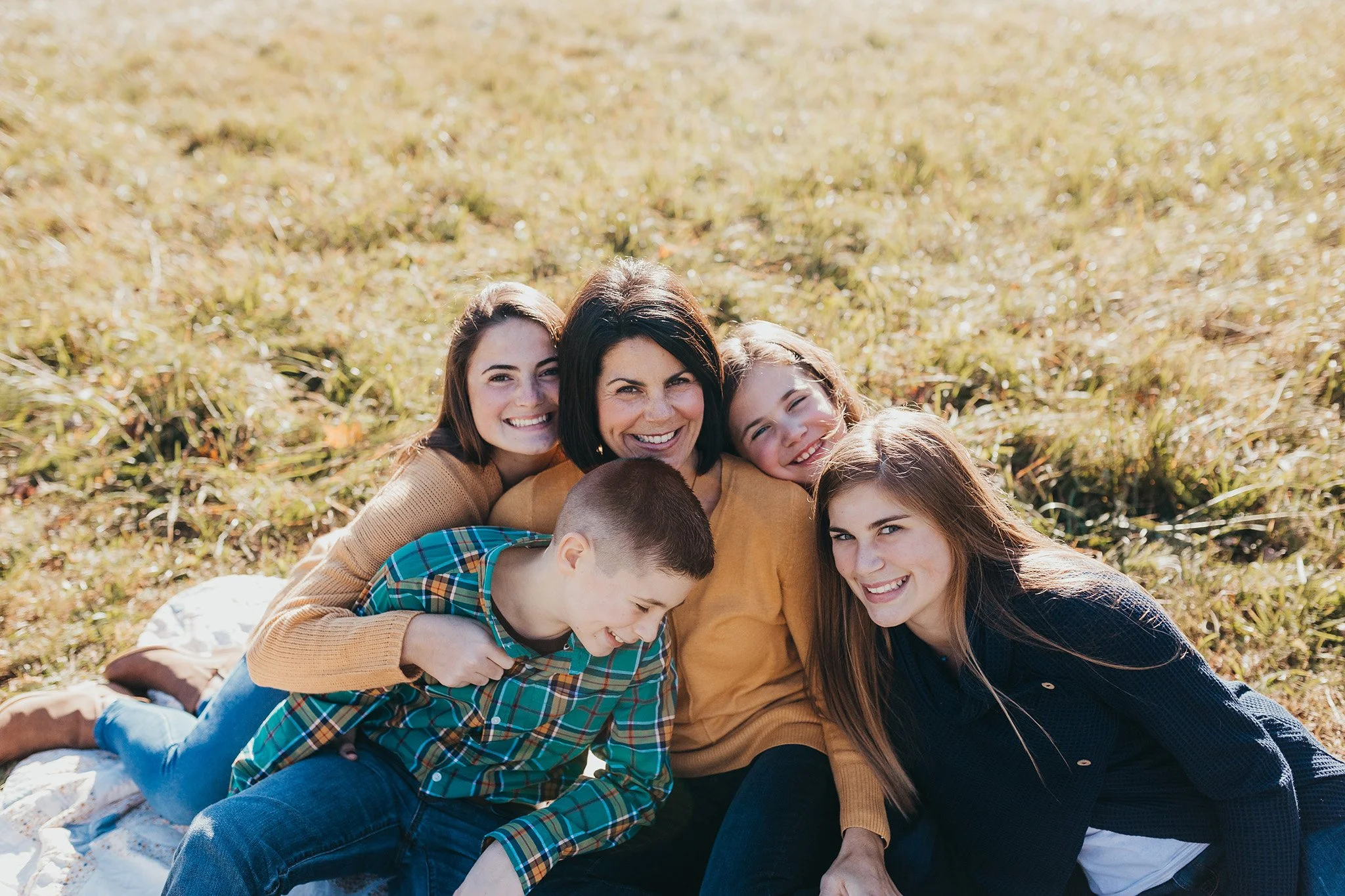
Image by Melissa Ortendahl
11) Think quality over quantity
With teens, a smaller gallery of strong images is often better than a huge gallery of “almost.”
A realistic goal:
2–3 great solo images of each teen
A handful of authentic family connection moments
Anything else is a bonus
This takes pressure off you, the teen, and the parent.

Image by Holly Awwad
12) Keep it ethical with sharing and consent
Even if you’re photographing your own kids, don’t assume they want their face online.
Best practice:
Ask before posting
Respect “no” without debate
Offer alternatives: back-of-head, silhouette, hands/detail shots
Trust is everything in this age range.
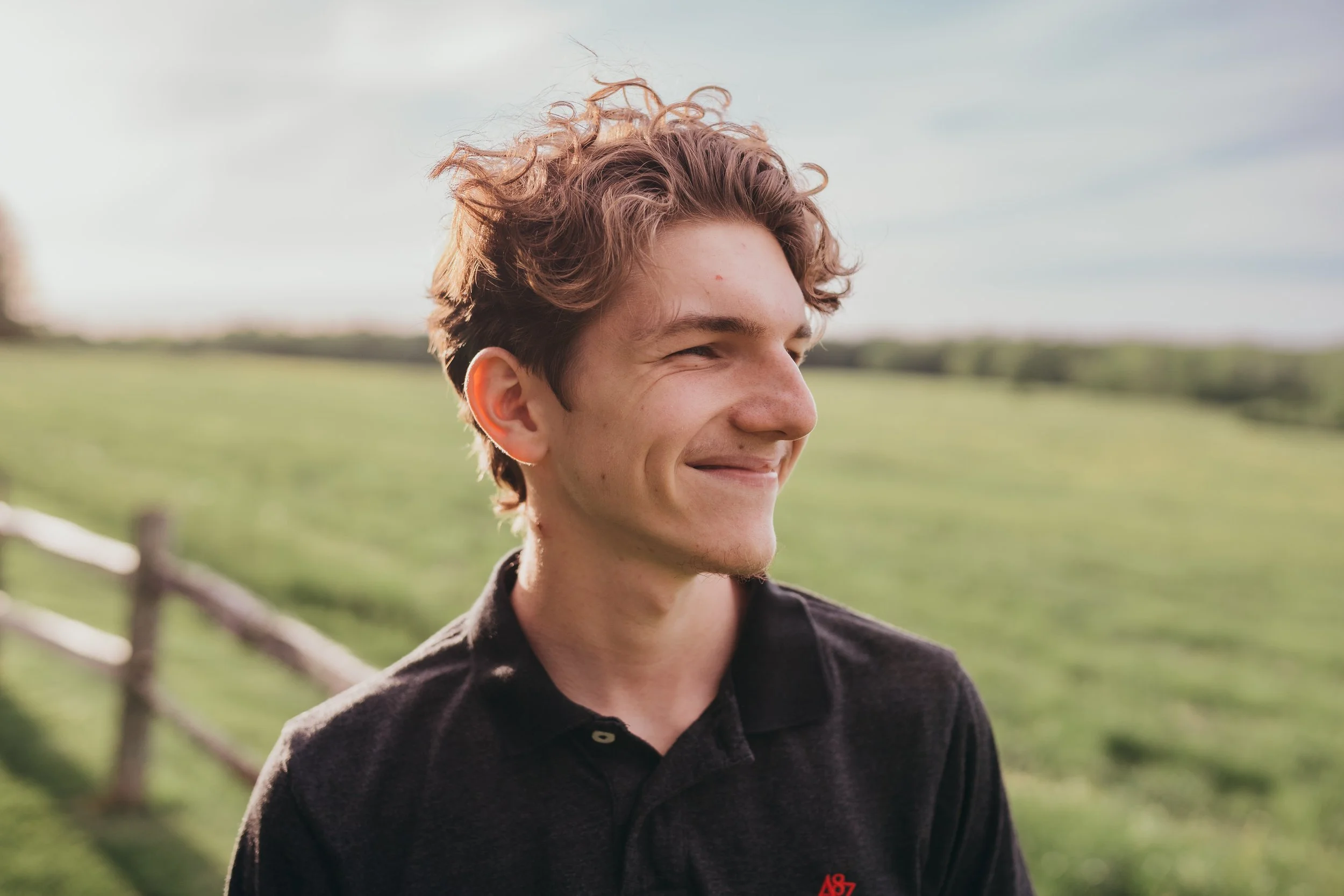
Image by Melissa Ortendahl
A simple teen session flow you can copy
If you want a quick structure that works in almost any setting, try:
Warm-up: walking shots + casual conversation (2–3 minutes)
Solo: 1:1 teen portraits (3–5 minutes)
Connection: teen with a parent (or sibling) using movement prompts (3–5 minutes)
Candid “release”: let them do something they enjoy while you shoot from a little farther back (3–5 minutes)
Fast, simple, effective.
Want a deeper guide (without overcomplicating it)?
If you’re photographing tweens and teens regularly (whether for clients or your own family) having a plan makes everything easier. Our self paced course, Capturing Adolescence: Documenting the In-Between Years with Holly Awwad, Melissa Ortendahl and Melissa Richard walks through exactly how to get natural expressions, keep sessions low-pressure, and create images that actually feel like them.
If you’ve ever thought, “I love photographing little kids… but teens intimidate me,” this course was made for that exact stage.
(And yes… there are tons of practical ideas you can use immediately.)