From Stills to Stories: How Photographers Can Learn to Think in Motion | by Laura Froese
If you’re a photographer who has ever picked up your camera, switched it to video mode, and thought, “Why does this suddenly feel so complicated?”, then you’re not alone.
For many photographers, moving from still images to video feels like stepping into an entirely new world. Suddenly, you’re thinking about frame rates, audio levels, movement, storytelling, and editing software… all at once. It can feel overwhelming fast.
But here’s the truth: You already have most of the skills you need. You just need to learn how to translate them.
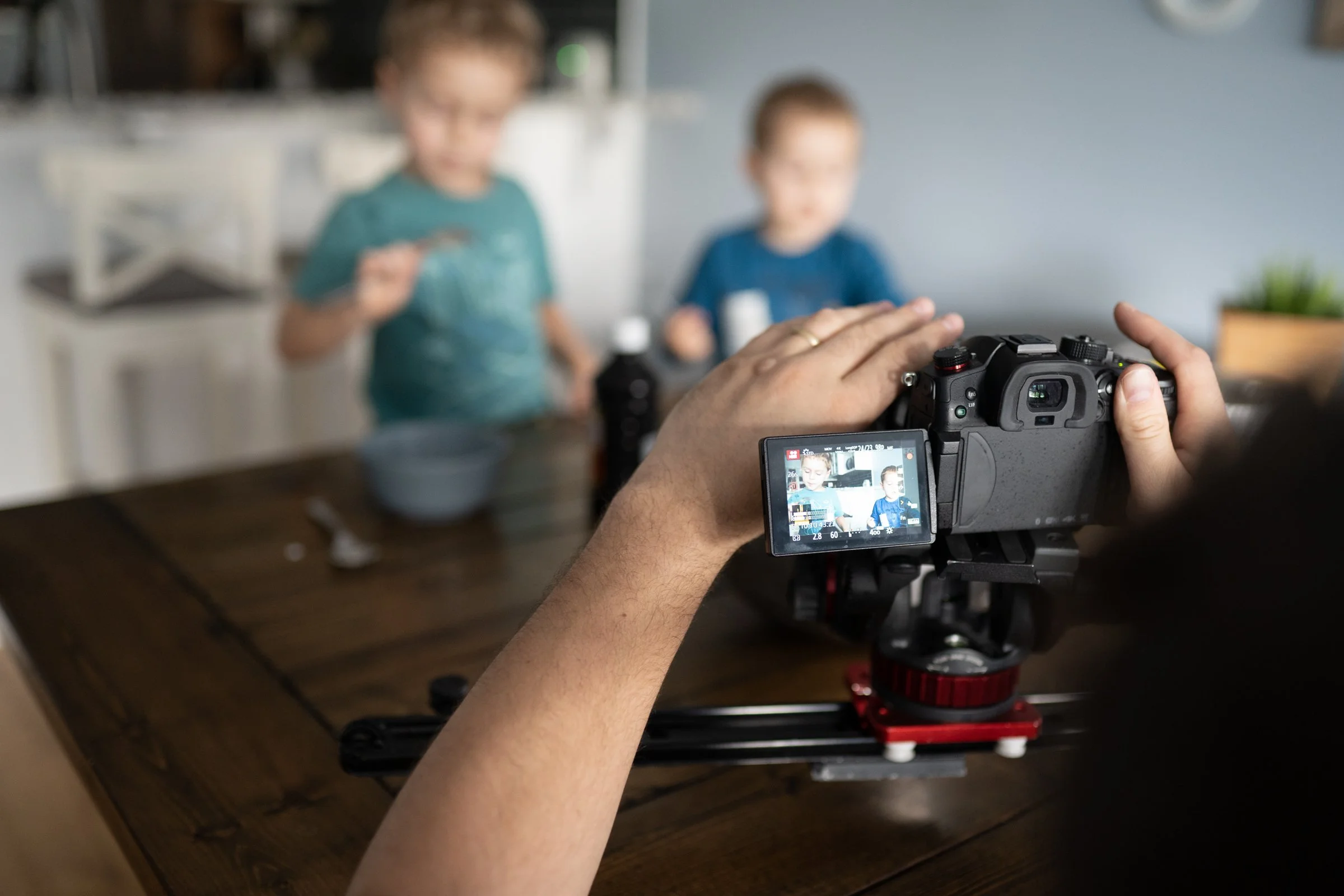
Photography Trains Your Eye. Video Trains Your Mind.
As photographers, we’re trained to freeze emotion in a single frame. We watch light. We wait for expressions. We anticipate moments. Video doesn’t replace those instincts. It builds on them. Instead of capturing one perfect moment, video lets you capture a sequence of meaningful ones:
A child picking up cookie dough.
Rolling it between their hands.
Sneaking a taste.
Looking up at their parent for approval.
Each clip alone is cute. Together, they become a story.
That shift from “moment” to “movement” is the foundation of cinematic storytelling.
Let’s look at some things to keep in mind while you explore this new story-telling medium:

1. Sound Is Half the Experience
You can forgive slightly shaky footage. You can’t forgive bad audio. Viewers will tolerate imperfect visuals long before they tolerate distorted, windy, or echo-filled sound. Laughter, whispers, footsteps, and background chatter are what make home movies and family films feel alive. You don’t need a full studio setup. Sometimes, placing your phone nearby to record audio separately is enough to make a massive difference. Often you’ll be overlaying your video with music anyways, but when you do want those sound bites from the scene, think of ways to make sure your audience can appreciate them and hear them clearly.
2. Shooting With Story in Mind
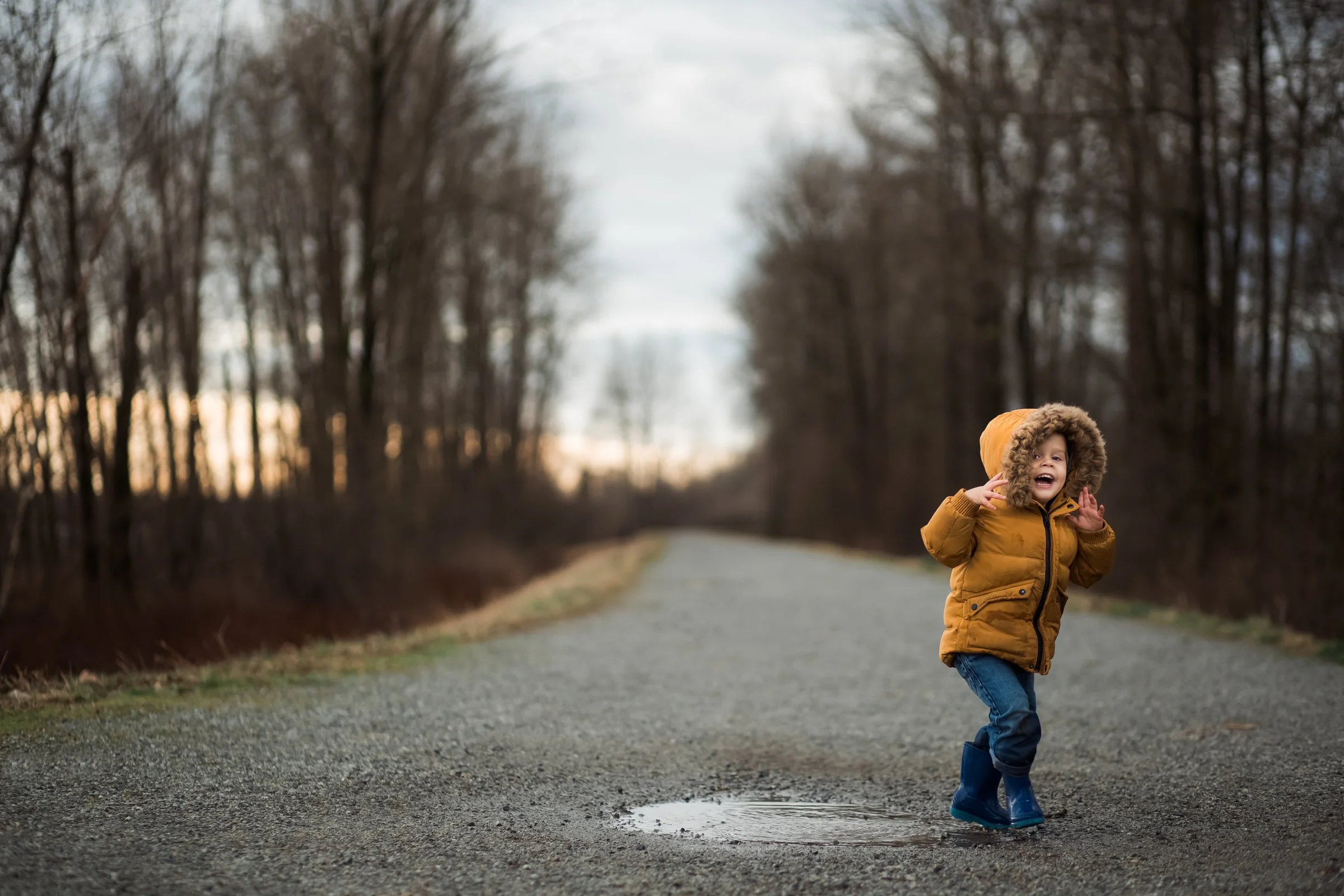
When you’re deciding WHAT to shoot, think about getting establishing shots, coverage, and supporting storylines . These are all tools that guide your viewer without them even realizing it.
A strong sequence usually follows a rhythm:
Wide shot to set the scene
Medium shot to show interaction
Close-up to reveal emotion
Repeat that pattern, and suddenly your footage feels cinematic even if it was shot in your living room.
3. Editing Is Where the Story Is Found
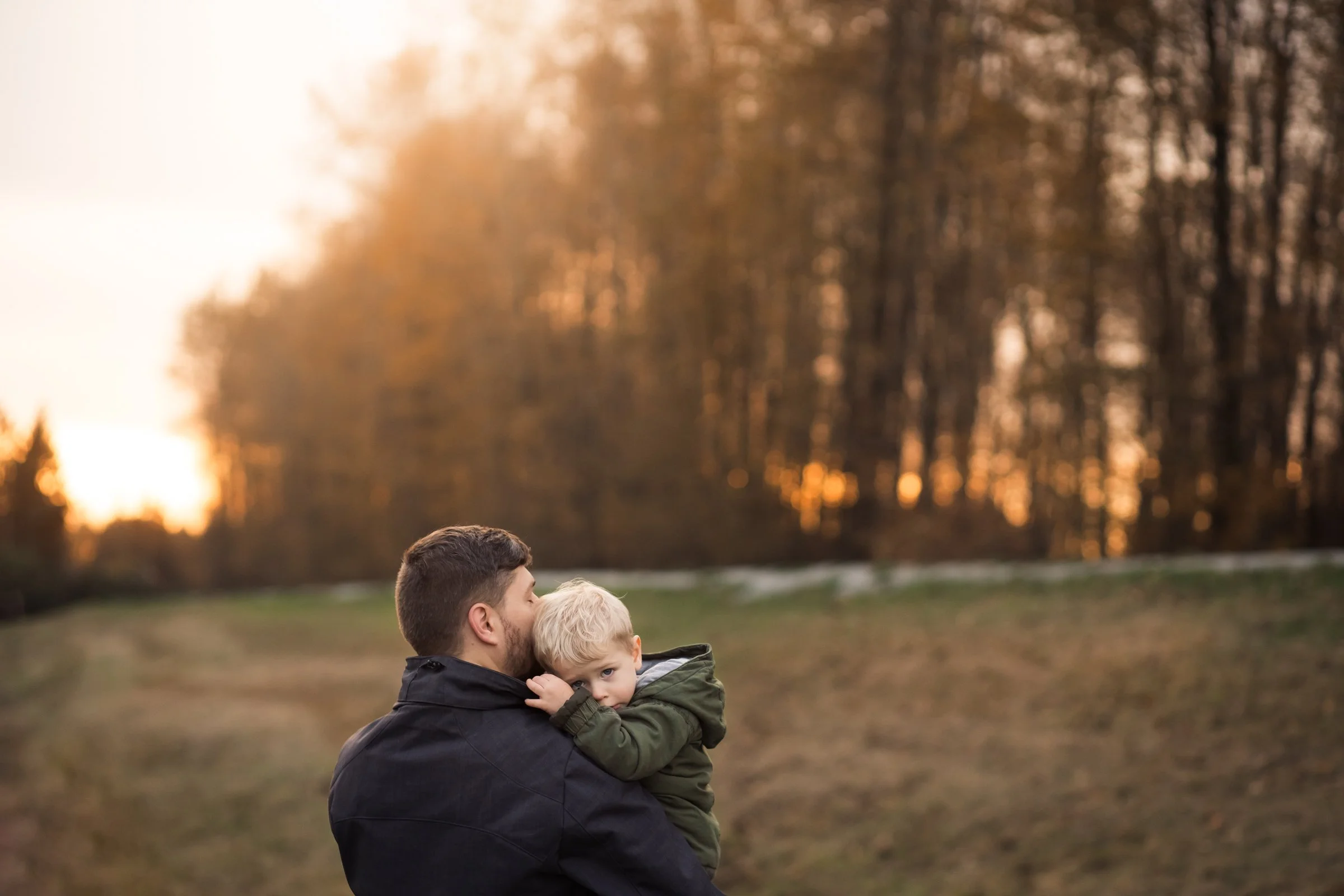
Most beginners think editing is about learning software. It’s not. It’s about learning restraint.
On average, only about 10% of what you shoot will make it into the final video. That doesn’t mean you failed. It means you’re choosing the strongest moments.
Editing is where you decide:
What matters
What supports the story
What needs to go
Trim. Then trim again. Then trim more.
4. You Don’t Need “Perfect” Gear to Start
One of the most freeing lessons for new videographers is this:
You don’t need everything.
You don’t need it all at once.
You don’t need the most expensive setup.
Natural light, steady hands, thoughtful framing, and intentional storytelling will always outperform fancy equipment used without purpose. Creativity beats gear every time.
From Technical Skills to Meaningful Memories
You don’t need to become a filmmaker overnight. Focus first on preserving stories. You are turning everyday moments into something your family (or your clients) will treasure for decades. It’s about learning to see life not just as frames, but as flowing narratives. And once you understand that, video stops feeling intimidating and starts feeling powerful.
If this topic resonates with you and you’d like to explore it in greater depth, you may enjoy our fully comprehensive, self-paced course, From Stills to Motion. Created by a husband-and-wife team, this course blends practical education with humour, honesty, and real-life experience. Full-time videographer and internationally known YouTuber, Nicholas Froese, guides his photographer wife, Laura, from knowing virtually nothing about video to confidently creating meaningful films. Along the way, you’ll gain clear, step-by-step instruction, relatable encouragement, and more than a few laughs. Expect to be thoroughly educated, genuinely inspired, and highly entertained as two opposite personalities take you on a fun (and occasionally sarcastic) learning journey.