Photography Lighting Basics: A Beginner’s Guide to Understanding Light
Light is the foundation of photography. No matter how advanced your camera is, your images are only as strong as the light you know how to see and use. Understanding photography lighting basics helps you move from guessing to creating photos that feel intentional, consistent, and visually compelling.
Whether you photograph people, nature, still life, or everyday moments, learning how light works will change everything.

Image by Holly Awwad
Why Lighting Matters in Photography
Photography literally means drawing with light. Light affects:
Exposure and contrast
Mood and emotion
Color accuracy
Texture and depth
How your subject stands out from the background
Most new photographers don’t struggle because of camera settings… they struggle because they haven’t been taught how to read light.

Image by Melissa Ortendahl
Types of Light in Photography
Natural Light
Natural light comes from the sun and includes:
Window light
Open shade
Golden hour
Overcast light
Natural light is one of the best places to start because it’s accessible, versatile, and incredibly powerful once you understand how to work with it. Small shifts (like changing your subject’s position or the time of day) can completely transform a photo.
This is the foundation of Light Chaser: The Complete Guide to Natural Light Photography, where photographers learn how to recognize, predict, and intentionally shape natural light instead of relying on luck.




Artificial Light
Artificial light includes:
Lamps and household lights
Continuous LED lights
Speedlights and strobes
Studio lighting
Artificial light gives you control when natural light isn’t ideal or available. It also requires a solid understanding of lighting fundamentals to avoid harsh, unnatural results.
For photographers ready to take full control of light direction, power, and consistency, learning off-camera flash opens up creative possibilities that natural light alone can’t always provide.

Image by Laura Froese
Light Direction: Where the Light Comes From
Light direction is one of the fastest ways to improve your photos.
Front Lighting
Light hits the subject straight on
Even exposure with minimal shadows
Can feel flat if overused
Side Lighting
Light comes from the side
Creates depth, shape, and texture
Adds mood and dimension
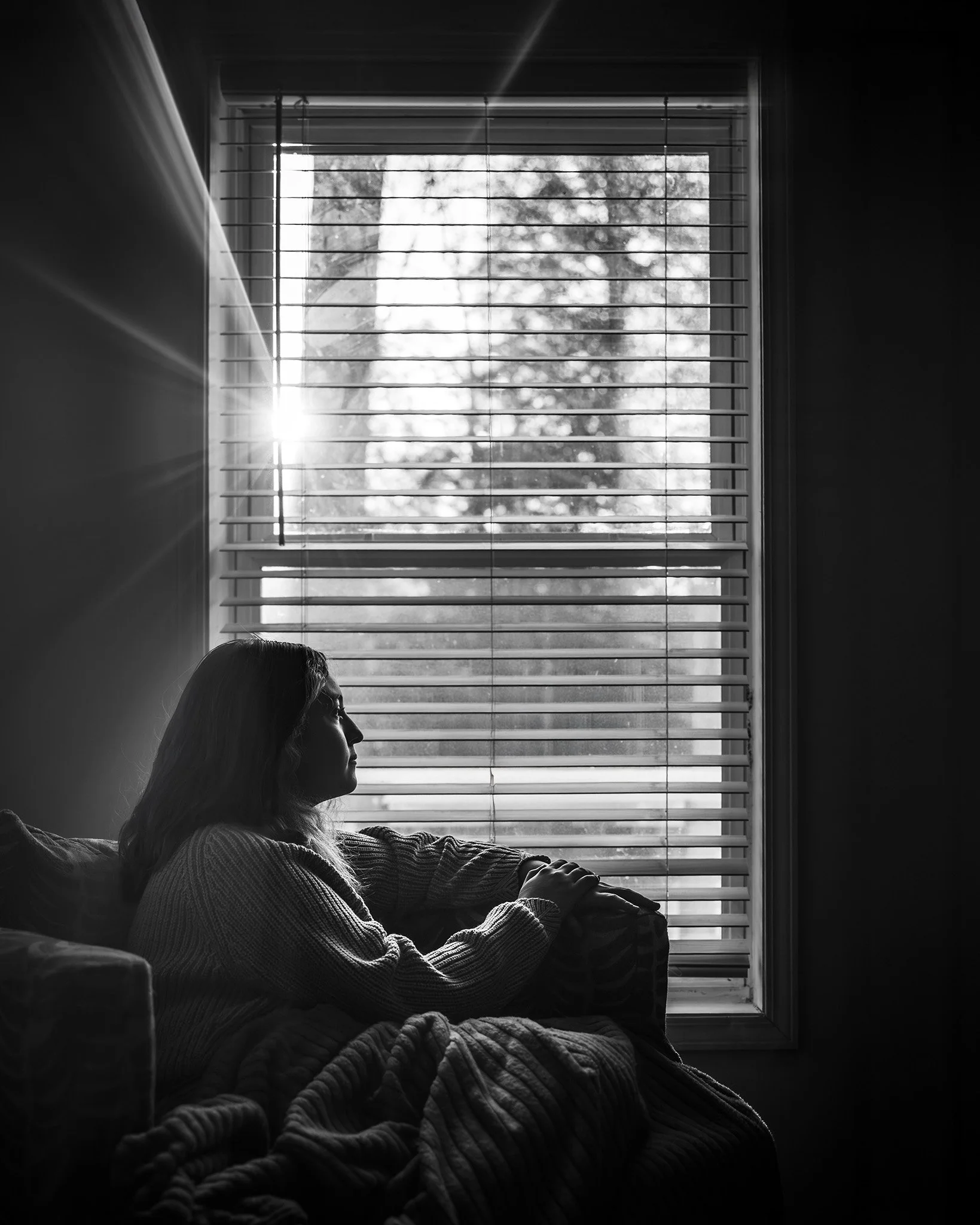
Backlighting
Light comes from behind the subject
Creates glow, rim light, or silhouettes
Often feels dreamy or dramatic
Learning to notice light direction before adjusting camera settings is a core skill taught inside Light Chaser, because it applies to every genre of photography.


Light Quality: Hard Light vs Soft Light
Hard Light
Strong contrast
Sharp, defined shadows
Examples: midday sun, bare flash
Soft Light
Gentle transitions
Smoother shadows
Often more flattering and emotional
Examples: window light, overcast skies, diffused flash
Understanding light quality helps you decide when to embrace contrast and when to soften a scene, whether you’re using natural light or off-camera flash.


Light Intensity and Distance
One of the most overlooked lighting basics is distance.
The closer your light source is to your subject:
The softer the light becomes
The brighter it appears
The faster it falls off
This applies to both window light and artificial light sources, and it’s often the easiest way to improve lighting without changing gear.


Color Temperature and White Balance
Light has color, measured in Kelvin:
Warm light (golden hour, lamps)
Cool light (shade, cloudy skies)
Understanding color temperature and how to adjust white balance helps you create accurate skin tones and consistent color. Shooting in RAW gives you flexibility, but learning to see color in light is what makes edits intentional.
Learn how to edit skin tones in a way that keeps things looking natural and consistent in Editing Skin Tones Like a Pro.


Common Beginner Lighting Mistakes
Shooting in harsh midday sun without shade
Placing subjects too far from the light source
Ignoring light direction
Mixing multiple light sources with different color temperatures
Using on-camera flash without modification
These mistakes are common and completely fixable once you understand how light behaves. Even better, once you really start to understand how to use the available light, you can shoot successfully in any of these tricky situations!

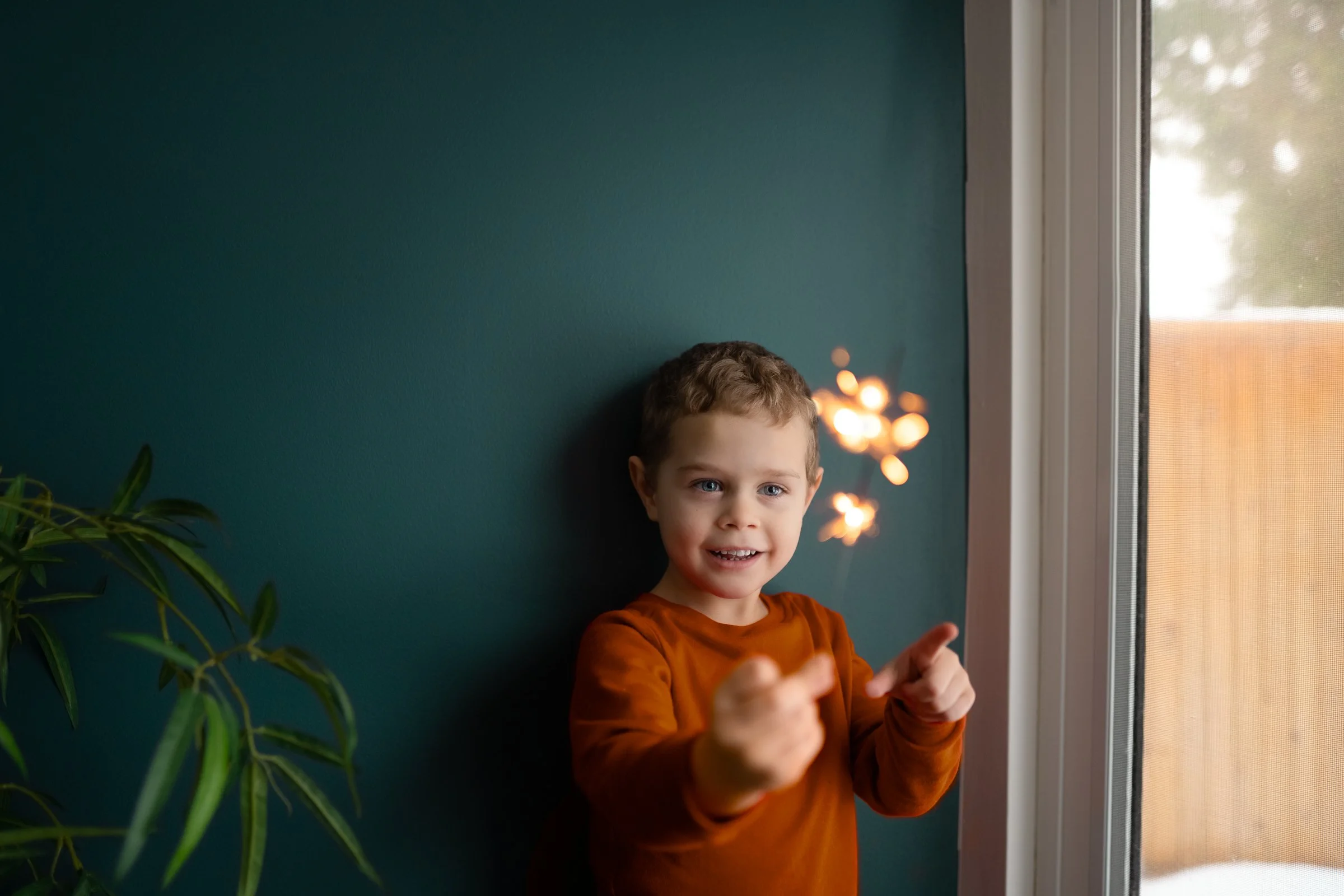
Image by Angie Mahlke
Learn to Work With Light, Not Against It
Understanding photography lighting basics is all about learning how light behaves and how to make intentional choices… whether you’re working with a window, the sun, or a flash. Once you learn how light direction, quality, and color work together, you’ll gain confidence and creative control in every genre of photography.
If you can learn to follow the light, your photography will always grow.
Ready to keep learning?
Explore our collection of photography guides, courses, and workshops designed to help you grow with confidence, creativity, and intention… no matter where you are in your journey.
👉 Browse our photography courses